A single-point diamond dresser restores or creates a grinding-wheel surface by bringing a hard cutting point into controlled contact with the rotating wheel. Diamond size is only one selection factor. Wheel diameter, width, abrasive type, bond, machine stiffness, dressing method and the required profile all affect the choice.

[gs_table id=”11255″]
Use the size as a starting point
The table summarizes current Norton guidance for suggested minimum diamond carat size by wheel diameter. Norton advises increasing the size when the wheel is at least 6 inches wide and also calls out resin bonds and premium abrasive grains as factors that may justify a larger diamond. These are manufacturer recommendations, not a universal formula or a substitute for the tool maker’s application advice.
The handbook’s historical table is similarly qualified: it describes recommended minimums for generally favorable conditions and names situations that can call for a larger selection. That warning matters. A carat value does not state the diamond’s shape, quality, mounting, exposed point, holder stiffness or the wheel’s abrasive system.
Match the dresser to the wheel
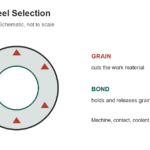
Confirm whether the wheel uses aluminum oxide, silicon carbide, diamond or CBN abrasive; the bond type; wheel speed; width; and the required face or profile. Norton cautions that stationary single-point tools are not suitable for every superabrasive application. Check the wheel manufacturer’s dressing instructions before using a natural-diamond single-point dresser on a superabrasive wheel.
Diamond wear depends on contact time and conditions. The diamond orientation, quality and ability to rotate or reset also influence useful life. A properly mounted dresser can be turned to present a fresh cutting point when the design permits, but follow the tool supplier’s instructions rather than improvising an angle or holder position.
Control dressing geometry and process
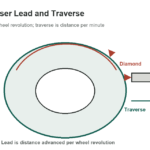
Set the dresser at the specified height and angle, secure it in a rigid holder, and use the feed and depth recommended for the machine and wheel. Dressing overlap ratio, traverse rate and depth of cut affect wheel topography and surface finish; they are separate parameters from diamond carat size. The dressing overlap ratio reference covers that process relationship.
OSHA’s abrasive-wheel rules address guards and machine safety. Keep guards in place, use the correct holder and follow the grinder manufacturer’s safe operating procedures. Do not hand-hold an unsupported dresser against a rotating wheel. Eye protection, work area controls and training should follow the applicable workplace requirements.
Separate truing from dressing
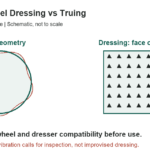
Truing restores geometric accuracy, while dressing exposes or conditions the abrasive cutting points; many operations perform both functions together. The tool shape and feed strategy depend on whether the goal is a flat face, straight edge, taper or formed profile. A size chart alone cannot tell you which tool style will create the target shape.
For grinding setup context, see the grit-to-micron chart, benchtop drill-press guide, and drill-point length chart. Those guides discuss abrasive selection and related shop equipment; they do not replace the exact wheel-and-dresser application chart.
Verify the result
Inspect the wheel face and test the grind on a representative workpiece. If the finish, form accuracy or dressing stability is poor, check wheel loading, bond, balance, spindle condition, coolant delivery, dresser wear and traverse settings before simply choosing a larger diamond. A process problem can persist even when the carat rating increases.
Record the wheel specification, dresser model, holder geometry, dressing parameters and result. For production or critical grinding, ask both the abrasive supplier and dresser manufacturer to confirm compatibility. Use the tabulated carat bands as an initial screening step, then verify the setup against the current product guidance.
Sources: Norton selection guidance, Tokyo Diamond guidance, and OSHA 1910.215. Related: grit-to-micron chart, benchtop drill-press guide, and drill-point length chart.