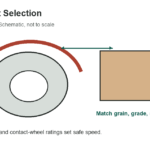
A grinding wheel is specified by more than grit. Grain type, grit size, grade, structure, bond, wheel shape, and rated speed work together with the material, machine, contact area, coolant, and dressing method. A chart that changes one wheel property for every goal can mislead when two operating conditions point in opposite directions.
Gather the operating facts first
Start with the work material and its hardness, the amount of stock to remove, the required finish and form, the area of contact, machine horsepower, wheel speed, and whether the operation is wet or dry. Record the dressing method and how severe the grinding contact will be. These details narrow the specification more reliably than choosing a grade from material name alone.
The table organizes the first questions and the parts of a wheel specification they influence. It is a planning checklist, not a substitute for the wheel maker’s selection guidance.
| Work material | Abrasive grain and friability | Hardness and grindability |
|---|---|---|
| Removal and pressure | Grit and bond grade | Severity and stock target |
| Finish and form | Grit, grade, wheel shape | Tolerance and contact area |
| Machine and speed | Wheel specification | Power and rated limits |
| Coolant and dressing | Bond behavior and upkeep | Process and dressing method |
5 rows
Scroll horizontally to view all columns.
Understand the specification terms
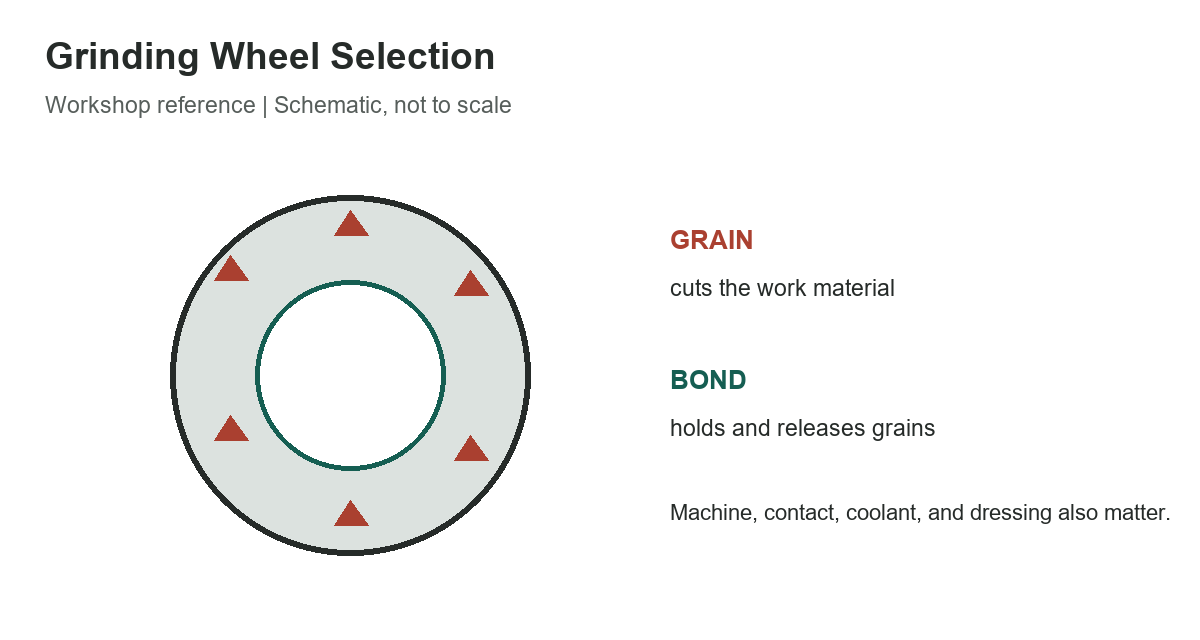
The abrasive grain cuts the work. Grit size describes grain size: coarser grains can support higher removal, while finer grains are often chosen for a finer finish or tighter form. The grade describes how strongly the bond holds grains before they release; it is not a rating of abrasive hardness. Structure describes grain spacing or porosity, and bond type describes how the wheel holds the abrasive.
Manufacturers may not assign identical behavior to the same grade letter. Compare specifications within the maker’s system and use its wheel data for the exact product. Material hardness, pressure per grain, contact area, speed, coolant, and dressing can shift how the wheel behaves during use.
Use selection rules as starting directions
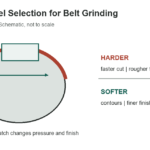
As a broad starting point, Norton describes softer grades for hard-to-grind materials, because the wheel must release dulled grains and expose fresh cutting points. Heavier grinding pressure can call for a grade that holds grains more firmly. These are not contradictory when read in context: the actual contact severity, grain, machine power, and wheel bond have to be considered together.
Likewise, coarse grit may favor stock removal while fine grit supports finish and geometry. A larger contact area can change force per grain; a coolant can affect vitrified and organic bonds differently; and wheel speed changes the effective behavior. Avoid applying a simple “harder is better” or “softer is safer” rule across all processes.
Structure and bond should be considered separately from grade. A more open structure leaves greater space between grains, which can help with chip clearance in some operations. Bond type affects strength, speed capability, coolant response, and how the wheel wears. A complete specification therefore includes the whole product code, not just a grit number and a letter.
Check safety and compatibility
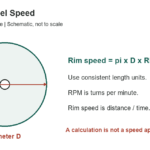
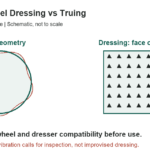
Confirm the wheel’s dimensions, bore, bond, application, and maximum operating speed against the grinder nameplate and guard. Never run a wheel above the marked maximum speed. Inspect it as instructed, mount and dress it using the maker’s procedure, and use the specified guard and personal protection. A specification chart does not certify a wheel for a machine or task.
For a new operation, consult the wheel supplier or application engineer and run a controlled trial on representative work. Track removal rate, finish, heat, wheel wear, and dressing frequency. If a wheel loads, burns, loses form, or vibrates, stop and reassess the system instead of compensating with pressure alone.
- Identify material, grindability, and stock target.
- Specify finish, geometry, contact area, and operation severity.
- Match grain, grit, grade, structure, bond, and coolant as a system.
- Verify wheel speed, grinder fit, guard, and dressing procedure.
- Use controlled trials and the exact manufacturer’s data.
See the grit-to-micron reference, compare abrasive-belt choices, and use the reference chart library for related shop measurements.
References
Review Norton’s current seven-factor selection guide, wheel selection overview, and grinding-wheel specification basics.