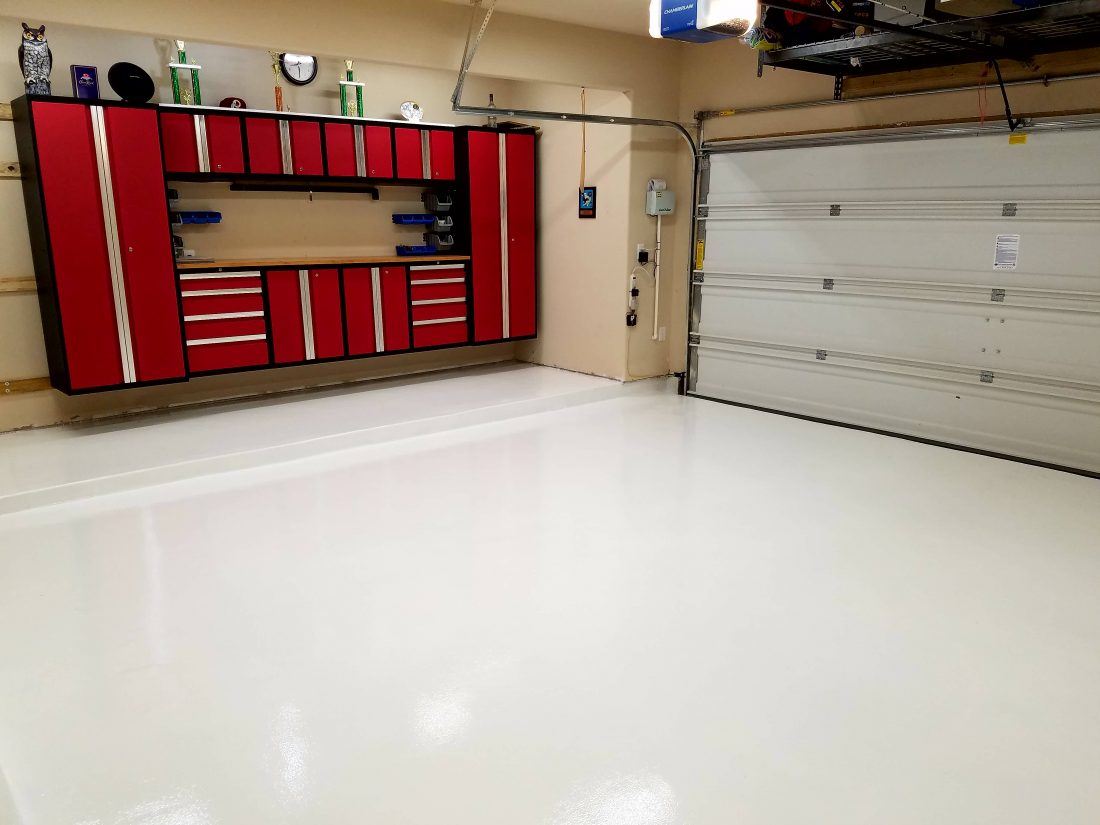
Polyurea Garage Floor Coating: Cost, Pros, Cons, and When It Is Worth It
Quick answer: Polyurea garage floor coating is a fast-curing concrete floor coating that makes sense when you want a professional-looking garage floor with strong chemical resistance, good abrasion resistance, and a shorter return-to-service window than traditional epoxy. It is usually a better fit for hired installation than for a first-time DIY project because surface prep, moisture control, and working time matter a lot.
What Is Polyurea Garage Floor Coating?
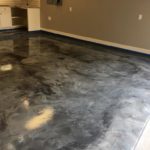
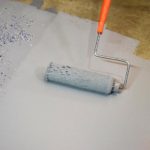
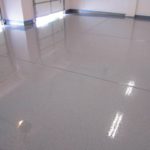
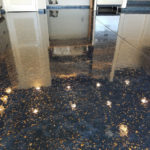
Polyurea is a protective coating used over prepared concrete. In garage flooring, it is commonly sold as part of a flake floor system: the concrete is mechanically prepared, the base coat is applied, decorative flakes are broadcast into the wet coating, and a clear topcoat seals the surface. The result is a smoother, easier-to-clean garage floor than bare concrete.
The biggest practical difference from older epoxy systems is speed. Many polyurea and polyaspartic systems cure quickly, which can let a garage return to light use sooner. That speed is useful for professionals, but it also means mistakes happen quickly if the slab is not prepared well.
Best next step: If you are comparing garage floor options, start with the full garage floor coating guide, then use this page to decide whether polyurea is worth the higher installed cost for your garage.
Polyurea vs Epoxy vs Polyaspartic
| Coating type | Best for | Main advantage | Main caution |
|---|---|---|---|
| Polyurea | Professionally installed garage floors, fast turnaround projects | Fast cure, strong wear resistance, good chemical resistance | Short working time and slab prep requirements make DIY harder |
| Polyaspartic | Clear topcoats and premium flake systems | Good UV stability and fast return to service | Usually costs more than basic epoxy systems |
| Epoxy | Budget DIY projects, slower weekend installs, thick build coats | Lower material cost and more forgiving working time | Can yellow outdoors or near UV exposure unless protected with the right topcoat |
| Concrete sealer | Simple dust control and mild stain resistance | Lowest complexity | Does not create the same decorative, build-layer floor as a coating system |
If you want the lowest-cost DIY route, see the garage floor epoxy guide. If you want the faster premium route and are open to hiring out the work, polyurea is often the stronger candidate.
When Polyurea Is Worth It
- You park daily drivers in the garage. A good coating system helps with road grime, salt, oil drips, and general cleanup.
- You want a decorative flake floor. Polyurea systems pair well with vinyl flakes and a clear topcoat.
- You cannot leave the garage out of service for long. Faster cure time can matter when the garage is used every day.
- You are paying for professional prep. Grinding, crack repair, and moisture checks usually matter more than the label on the coating can.
When To Skip Polyurea
- The slab has moisture problems. Coatings can fail if vapor pressure or moisture is ignored.
- The concrete is badly cracked or moving. A coating can hide cosmetic damage, but it will not fix structural slab movement.
- You want the cheapest possible floor. Paint, sealer, or a DIY epoxy kit may fit a tight budget better.
- You are not willing to prep the concrete correctly. Poor prep is the usual reason garage coatings peel.
Typical Polyurea Garage Floor Cost
Installed polyurea garage floors are commonly priced by square foot. The final number depends on slab condition, crack repair, moisture mitigation, flake coverage, topcoat choice, and local labor rates. Use the table as a planning range, then compare real quotes in your area.
| Garage size | Approx. square feet | Planning range at $4.50/sq ft | Planning range at $7.50/sq ft |
|---|---|---|---|
| Small one-car garage | 240 sq ft | $1,080 | $1,800 |
| Standard one-car garage | 300 sq ft | $1,350 | $2,250 |
| Standard two-car garage | 480 sq ft | $2,160 | $3,600 |
| Large two-car garage | 600 sq ft | $2,700 | $4,500 |
| Three-car garage | 800 sq ft | $3,600 | $6,000 |
For a deeper budget comparison, read the garage floor coating cost guide.
What A Good Installer Should Include
A polyurea quote should explain more than the coating brand. Look for a clear scope of work:
- Concrete grinding or shot blasting, not just acid etching.
- Crack and joint treatment details.
- Moisture testing or at least a moisture-risk discussion.
- Base coat, flake broadcast, and topcoat details.
- Return-to-service timing for foot traffic, storage, and parked vehicles.
- Warranty terms that explain what is and is not covered.
DIY Polyurea: Possible, But Not Beginner-Friendly
Some one-part garage floor products are marketed as polyurea or polyurea-style coatings, and those can be more DIY-friendly than two-component professional systems. Still, the same rule applies: the floor is only as good as the concrete prep. If you are doing it yourself, read the DIY garage floor coating guide before buying materials.
| DIY decision point | Green light | Warning sign |
|---|---|---|
| Concrete condition | Sound slab with minor cosmetic cracks | Spalling, active cracks, or damp concrete |
| Prep tools | You can grind or mechanically profile the slab | You only plan to sweep and paint |
| Working time | You can follow the product window exactly | You need a slow, forgiving coating |
| Finish expectations | You are comfortable with small imperfections | You expect a showroom finish on the first try |
Common Problems With Garage Floor Coatings
- Peeling: usually caused by poor surface prep, moisture, contamination, or applying over weak concrete.
- Hot tire pickup: more common with weak paints and poorly bonded coatings than with a well-installed system.
- Slippery surface: smooth coated floors can be slick when wet. Ask for anti-slip media if the garage gets snow, rain, or wash water.
- Yellowing: some coating systems handle UV better than others. Ask what topcoat is used if sunlight hits the floor.
Frequently Asked Questions
Is polyurea better than epoxy?
Polyurea is often better when you want faster cure time, strong wear resistance, and a professional flake floor. Epoxy is often better when you want a cheaper DIY project with a longer working time. The best choice depends on budget, slab condition, and whether you are hiring an installer.
How long does polyurea last?
A well-prepared and properly installed polyurea garage floor can last many years in normal residential use. The coating life depends on slab condition, prep quality, topcoat quality, traffic, sunlight, road salt, and how the floor is cleaned.
Is polyurea slippery when wet?
It can be. Any smooth coated garage floor may become slippery with water, snow, or oil on it. For a working garage, ask for a texture or anti-slip additive in the topcoat.
Can polyurea go over old epoxy?
Sometimes, but only if the existing coating is strongly bonded and properly sanded or profiled. If the old epoxy is peeling, soft, contaminated, or poorly bonded, it should be removed before coating.
What is the difference between polyurea and polyaspartic?
Polyaspartic coatings are a type of aliphatic polyurea chemistry often used as fast-curing, UV-stable topcoats. In garage flooring, the terms are sometimes used loosely, so the quote should specify the actual system layers rather than only using a broad label.
Bottom Line
Polyurea garage floor coating is a strong option when you want a durable, attractive garage floor and are willing to pay for proper preparation and installation. It is not magic paint. The slab still needs to be clean, dry, mechanically prepared, and suitable for coating. If your priority is a premium flake floor with faster return to service, polyurea belongs near the top of the list. If your priority is a low-cost weekend project, compare it carefully against epoxy and simpler garage floor coatings.