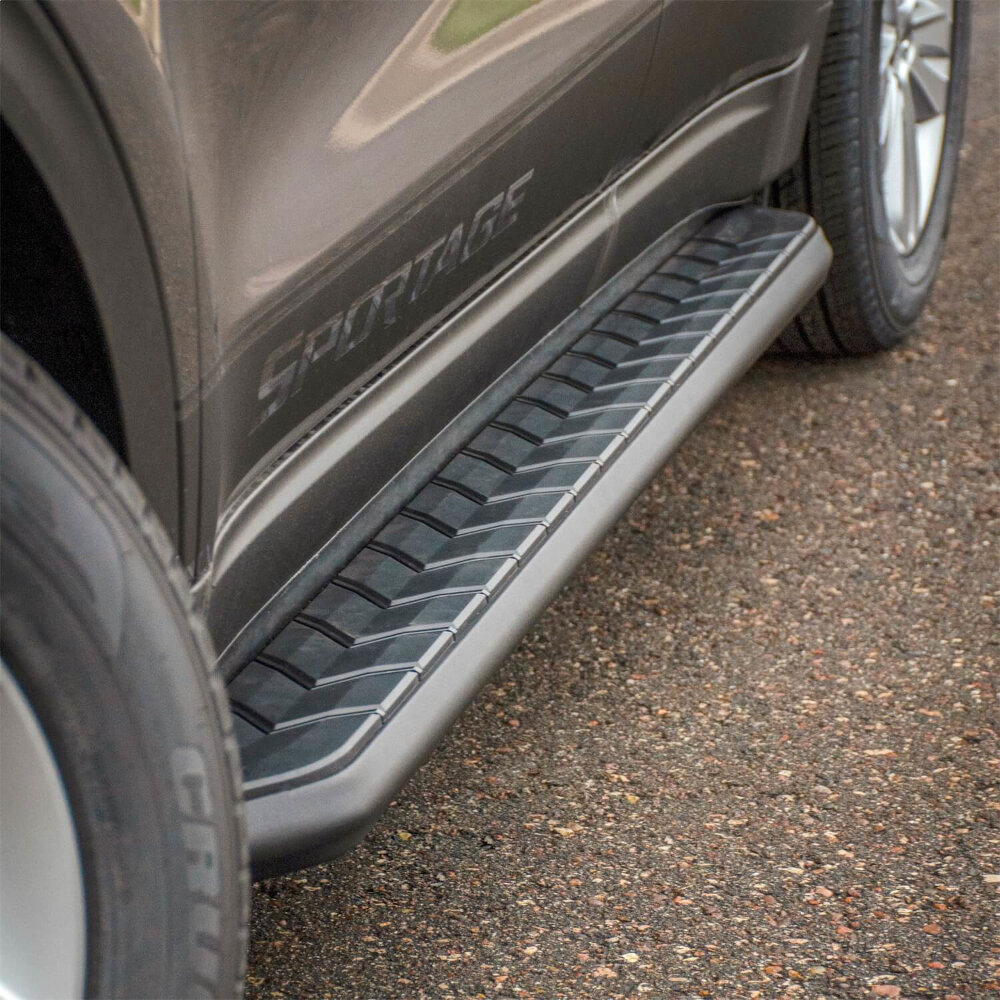
Can You Put Running Boards On A Chevy HHR? Fitment Guide
Quick answer: Do not “clip†a generic running board onto a Chevy HHR. The clips used around lower rocker moldings and trim are not designed to support a passenger. Install a step only if its manufacturer provides an HHR-specific application, complete structural brackets, instructions, hardware, load rating, and mounting locations for the exact model year. If those documents cannot be produced, treat the board as incompatible and repair the original rocker molding separately.
Why The HHR Needs A Fitment Reality Check
The Chevrolet HHR is a compact, low-floor passenger vehicle, not a body-on-frame pickup with common running-board bracket kits. Its lower exterior can include painted or textured rocker moldings, retainers, splash shields, pinch-weld areas, underbody lines, and designated lifting points. A plastic lower molding may look like a place to clip a step, but appearance does not make it structural.
The old version of this article assumed that most running boards fit the HHR, described retractable 600-pound boards without identifying a product, and instructed readers to drill pilot holes for unspecified clips. None of those directions establishes a safe load path. A passenger step must carry repeated off-center loads without pulling out fasteners, crushing sheet metal, interfering with lifting points, or becoming a road hazard.
| Rocker molding or lower trim | Appearance and surface protection | No, unless a documented structural kit bypasses it |
|---|---|---|
| Plastic clip or push retainer | Hold trim or splash shielding | No |
| Pinch-weld flange | Body seam and possible service/lift reference | Only with an HHR-specific engineered bracket |
| Factory threaded point | May serve another component | Only if the step instructions identify it |
| Subframe or structural member | Carry vehicle loads | Do not drill, clamp, or weld without engineering approval |
5 rows
Scroll horizontally to view all columns.
First Identify What You Are Actually Repairing
If a piece below the door is loose, it may be rocker molding rather than a running board. A molding sits close to the body and is not intended as a foothold. Look for a trim profile, plastic retainers, narrow tabs, and no substantial brackets underneath. A true running board has a usable tread and transfers load through metal brackets to documented structural locations.
Do not step on a loose part to test it. Photograph the full side, underside, attachment points, broken retainers, molded numbers, and any labels. Search the complete number in an official parts catalog or provide it to a Chevrolet parts department. Replace trim retainers by part number and model year rather than choosing a universal clip by diameter alone.
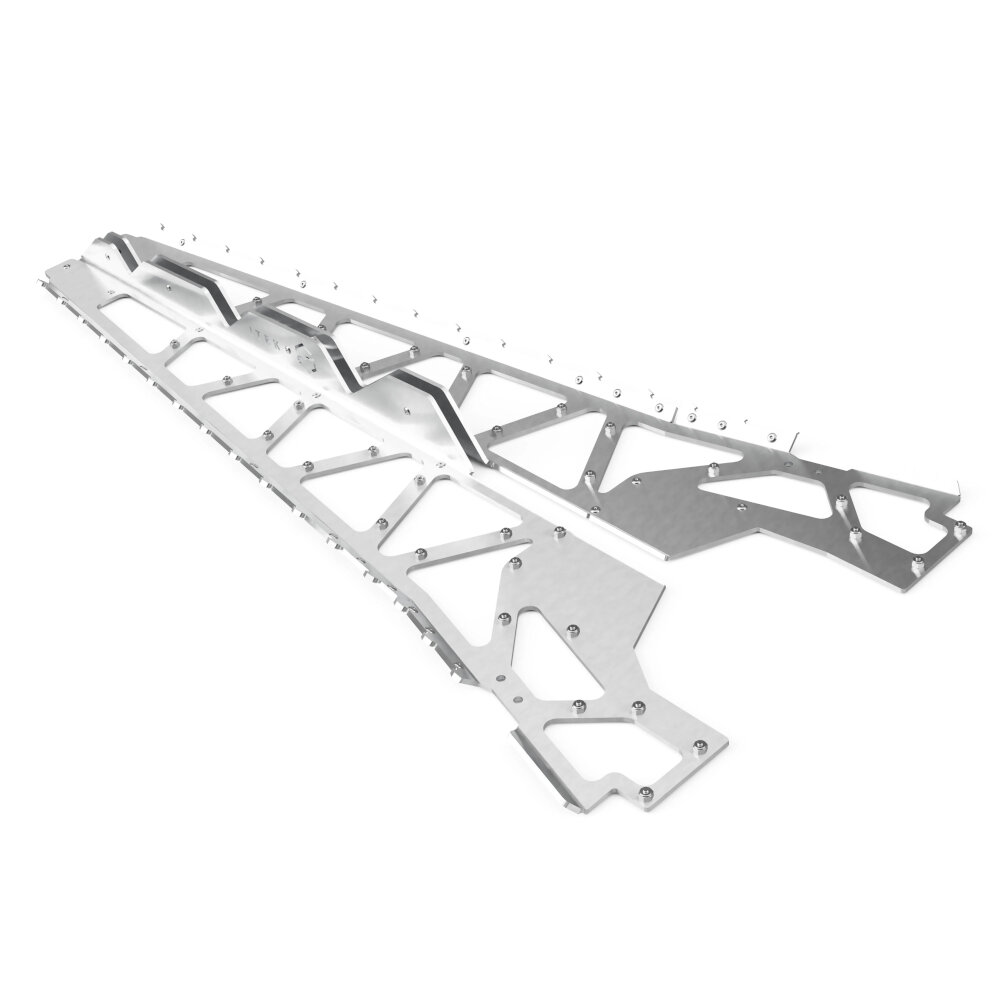
Evidence Required Before Buying An HHR Step
A seller’s “universal fit†claim is not enough. Ask for the complete step and bracket part numbers, a current application chart naming Chevrolet HHR and the exact year range, the installation PDF, kit contents, drilling notes, load rating, and warranty. Confirm whether the application includes standard and Panel variants if relevant.
| Application chart | Chevrolet HHR and exact supported years | Only generic length or “fits most SUVs†appears |
|---|---|---|
| Installation instructions | HHR underside diagrams and bracket positions | Photos show a different vehicle platform |
| Bracket kit number | Vehicle-specific brackets included or separately listed | Board is sold without a documented HHR mount kit |
| Hardware list | Fastener grade, quantity, inserts, plates, and torque | Installer is told to source random bolts or clips |
| Load rating | Complete installed-system rating and conditions | Rating applies only to the board extrusion |
| Manufacturer support | Replacement parts and technical contact | Seller cannot identify the manufacturer |
6 rows
Scroll horizontally to view all columns.
Why Trim Clips Cannot Become Step Mounts
Trim clips are designed for light panels and controlled pull-off force. Their holes, tabs, and surrounding plastic are not sized for a person’s weight, dynamic entry loads, or leverage from a board extending away from the body. Adding more clips does not create a structural mount; the underlying material and load path remain wrong.
Likewise, adhesive tape can secure molding, protective film, or a decorative strip when specified, but cannot make a load-bearing HHR running board. Screws through trim into unknown sheet metal are not a safe upgrade. They may damage corrosion protection, wiring, brake or fuel lines, and lifting areas while still failing to support the step.
Do Not Invent Brackets From A Truck Guide
Running-board instructions for a Silverado, Colorado, Tahoe, or another vehicle do not transfer to the HHR. Even if board length appears suitable, the bracket geometry, floor structure, rocker shape, ground clearance, and nearby components differ. A truck bracket can concentrate load in a passenger-car body area that was never intended to carry it.
Custom fabrication is not simply bending flat steel until the board looks level. A qualified fabricator must identify structural attachment locations, inspect corrosion, preserve service and jacking access, control ground clearance, select material and fasteners, protect drilled or welded areas from corrosion, and validate the complete load path. Without that work, the safest decision is not to add the step.
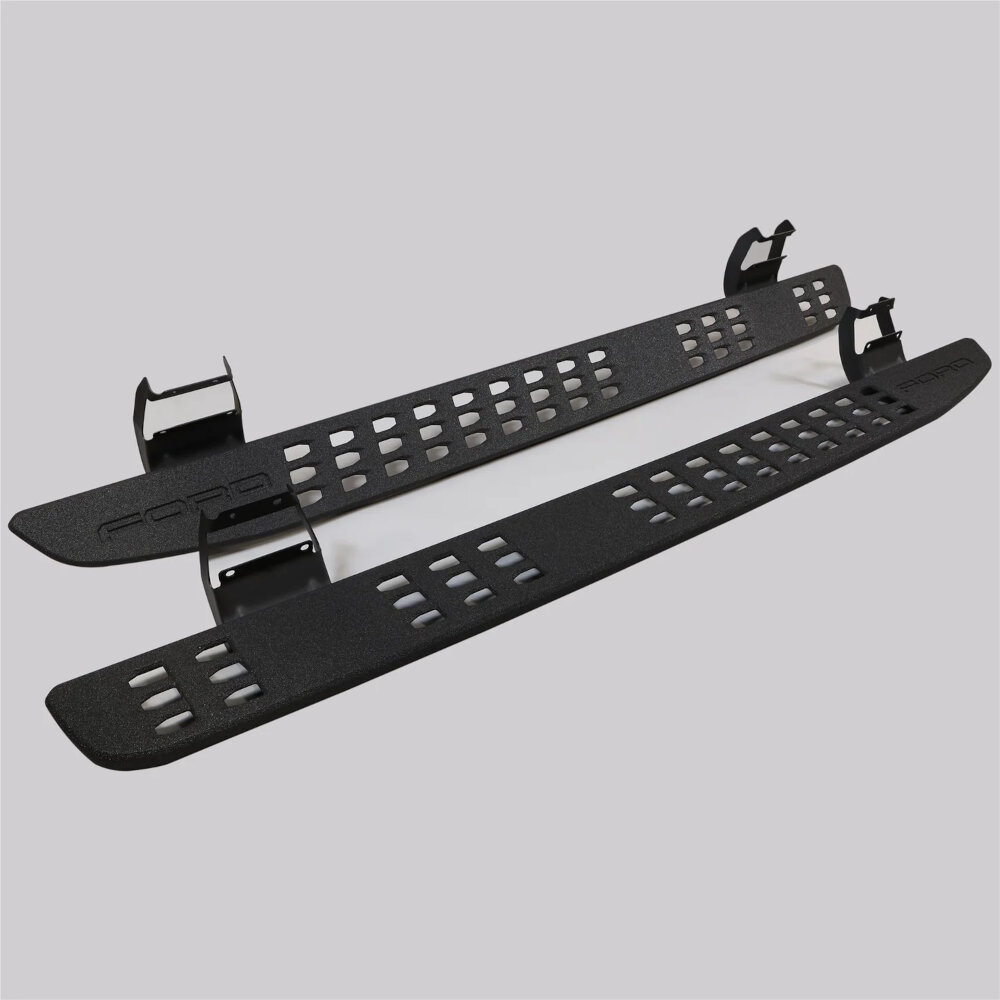
How To Evaluate A Claimed HHR-Specific Kit
- Confirm the vehicle. Decode the VIN and record model year, body configuration, trim, and prior rocker repairs.
- Verify the part number. Match the box label, boards, brackets, and instructions to one complete supported application.
- Compare the underside. Every illustrated hole, seam, bracket position, and clearance must match the vehicle.
- Inventory hardware. Do not replace missing plates, inserts, or graded fasteners with generic pieces.
- Read modification warnings. Check drilling, trim removal, corrosion protection, and lift-point restrictions before work begins.
- Use the listed torque. Apply values from that exact manual by joint, not a generic online chart.
- Inspect after installation. Check body clearance, stability, fastener movement, ground clearance, and interference before road use.
Accessibility Alternatives May Work Better
The HHR already has a lower step-in height than a tall pickup. When the goal is easier entry, identify the actual difficulty before adding an exterior step. A slippery sill, limited door opening, seat height, leg movement, or lack of a handhold may call for a different solution. An occupational-therapy driving assessment or mobility-equipment installer can evaluate the person and vehicle together.
A poorly positioned running board can make entry harder by forcing the user to step farther outward or around the board. It can also reduce ground clearance and create a shin or trip hazard. Any assist handle, seat aid, or transfer device must also be designed for vehicle use; do not attach a household handle to interior trim.
| Foot slips at the sill | Footwear, sill condition, snow/water contamination | Vehicle-safe traction or entry coaching |
|---|---|---|
| Difficulty lowering into seat | Seat height and hip/knee range | Mobility specialist or transfer assessment |
| Needs upper-body support | Approved grab location and load path | Automotive mobility-equipment installer |
| Cannot clear door opening | Door travel, parking space, body movement | Vehicle/accessibility evaluation |
| Exterior step seems too low | Ground clearance and natural foot path | Do not install until geometry is assessed |
5 rows
Scroll horizontally to view all columns.
Repairing Loose HHR Rocker Molding
For loose molding, remove only the trim required by the correct service procedure. Identify which clips, retainers, tabs, or mounting points failed and whether the molding itself is cracked. Clean the area, repair corrosion or damaged holes appropriately, and install the exact retainers in their intended orientation. Do not fill missing clip locations with sheet-metal screws unless the service information specifies them.
After repair, press along the molding to confirm uniform engagement and inspect door, tire, and ground clearance. The molding should remain decorative/protective trim; warn passengers not to use it as a step.
Used And Discontinued Parts Need More Evidence
Because the HHR is discontinued, a compatible accessory may appear only as used stock, an archived catalog entry, or an incomplete second-hand kit. Age does not automatically make a part unsafe, but it makes documentation and condition more important. A marketplace title written by a seller is not equivalent to a manufacturer application chart.
Ask for the original box label, complete part number, archived HHR application page, installation instructions, all brackets, and close photos of hardware and corrosion. Check whether the instructions cover the exact year and whether replacement fasteners or brackets remain obtainable. Rubber pads, coatings, plastic end caps, and electrical parts can deteriorate in storage even when the board looks unused.
Reject a kit with bent brackets, elongated holes, cracked welds, unknown modifications, missing nut plates, mixed hardware, or no way to identify driver/passenger and bracket positions. Do not copy a discontinued bracket in a home shop without evaluating material, geometry, welds, fastener grade, and the vehicle load path.
Decision Table
| Documented HHR-specific complete kit | Review instructions and condition before installation | Fitment evidence exists |
|---|---|---|
| Universal board with no HHR bracket number | Do not install as a passenger step | No verified structural load path |
| Loose plastic lower trim | Repair molding clips by exact part/application | It is not a running board |
| Custom step proposed | Use a qualified automotive fabricator | Structure, clearance, and corrosion require engineering |
| Mobility need drives the request | Obtain a person-and-vehicle assessment | A generic exterior step may not solve the problem |
5 rows
Scroll horizontally to view all columns.
Related GarageSanctum Guides
- Understand structural running-board attachment methods.
- Identify unknown boards, brackets, and part numbers.
- Compare rocker and frame load paths.
- Evaluate a running-board or mobility installer.
- See why exact application matters more than board style.
Source Notes
- Official 2011 Chevrolet HHR Owner Manual is the primary owner reference for vehicle features, lifting, service, and publication information.
- NHTSA VIN Decoder helps confirm encoded vehicle information before checking an accessory application.
- Official Chevrolet Assist Steps catalog demonstrates vehicle-selected fitment for current structural step products.
- ARIES application guides demonstrate that boards and bracket kits require named vehicle applications.