Escalade Running Boards: Quick Guide on How to Turn Them Off
For Escalade owners, power running boards are useful only when they deploy and retract correctly. One of the features that make it stand out is the Escalade Running Boards. These running boards are designed to make it easier to get in and out of the SUV, especially for those with shorter legs or mobility issues. However, there are times when you may need to turn them off for various reasons, and it’s essential to know how to do so. Turning off or limiting Escalade running-board operation depends on the model year, trim, and installed assist-step system, so the safest first step is the owner manual for that exact vehicle. Whether you need to turn them off for maintenance purposes or when driving on rough terrain, this quick guide will provide you with all the information you need to do it yourself. Use the guidance below to decide when a settings change is enough and when a stuck board needs service.
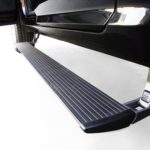
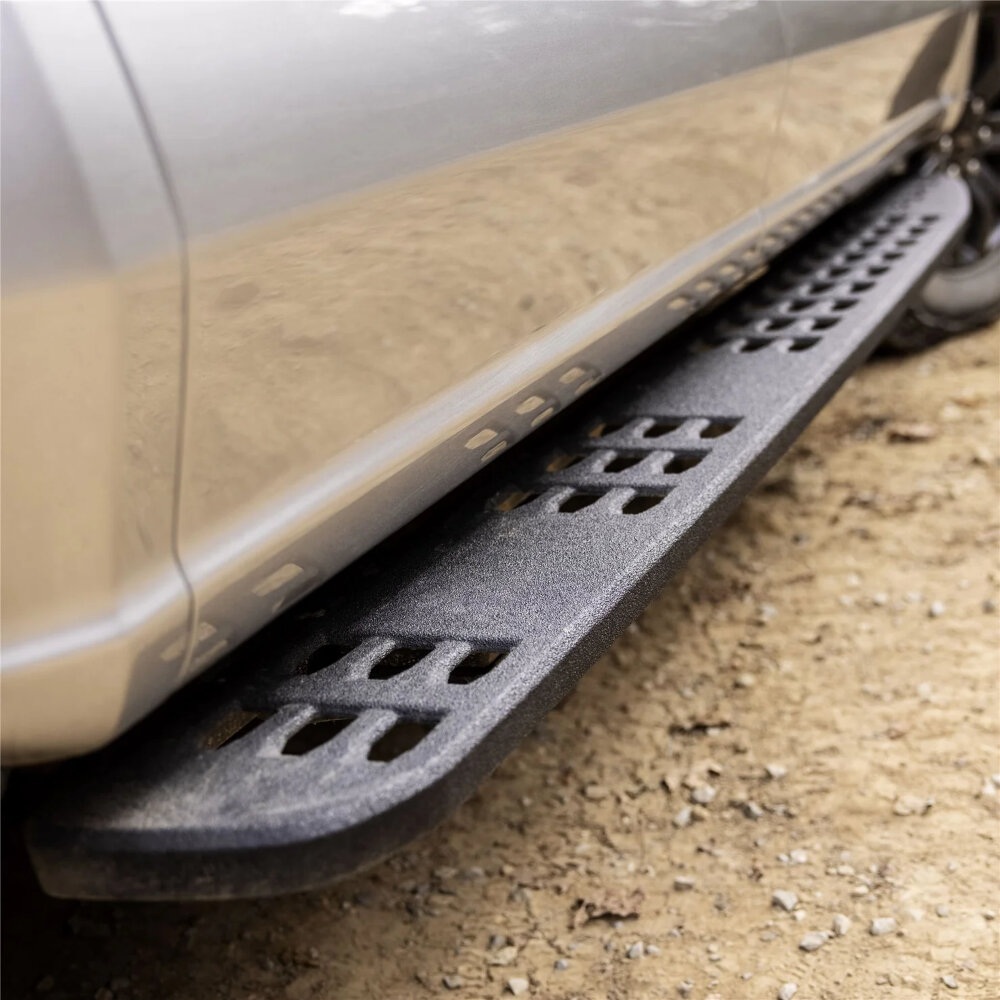
Escalade running boards can be fixed assist steps or power-retractable assist steps, depending on equipment. These running boards are designed to provide a secure step for passengers when entering or exiting the vehicle. Made from durable materials, such as aluminum or stainless steel, they can withstand heavy use and harsh weather conditions. Some of the key features of Escalade Running Boards include their non-slip surface, which provides excellent traction for passengers, and their sleek and stylish design, which complements the vehicle’s appearance. Power-retractable versions can retract when working correctly, but faults, ice, dirt, damaged linkages, or motor problems can change that behavior. Overall, Escalade Running Boards are a valuable addition to any Cadillac Escalade, offering both practicality and style.
Quick Answer: Use The Owner Manual Setting First
Cadillac Escalade running-board controls vary by model year, trim, and whether the vehicle has fixed assist steps or power-retractable assist steps. Start with the owner manual and the vehicle settings menu for your exact Escalade before trying any electrical workaround.
If a power running board is stuck, noisy, iced over, or striking an obstacle, treat that as a service problem, not just a convenience setting. Avoid battery, fuse, harness, or control-module work unless the owner manual or a qualified technician tells you to do that for your exact vehicle.
| You want the boards retracted | Check the Escalade owner manual and vehicle settings for the power assist step control available on your model year. | Do not assume one door-panel button or menu path applies to every Escalade. |
|---|---|---|
| The board is frozen, dirty, or blocked | Clear visible snow, ice, mud, or debris only when the vehicle is parked and the step is not moving. | Do not force the board by hand or stand on a step that is partly deployed. |
| The board will not retract or extend | Check doors are fully closed, inspect for obvious obstruction, and schedule service if the motor or linkage keeps struggling. | Do not keep cycling a stuck motor or bypass wiring to make it move. |
| You are considering repair | Confirm the exact Escalade year, body style, side, motor, and assist-step parts before ordering. | Do not buy parts only from a generic running-board description. |
4 rows
Scroll horizontally to view all columns.
Related GarageSanctum guides: compare power running boards, understand nerf bars vs. running boards, find a running-board installer, or browse the truck accessories hub.
Source Notes Used For This Refresh
- Cadillac owner-manual material notes that vehicle features can vary by optional equipment, model variants, country specifications, and later changes, so a single Escalade procedure should not be treated as universal.
- Cadillac parts and accessories pages describe assist steps/running boards as vehicle-specific components and point owners back to owner-manual limitations.
- GM Genuine Parts information for Escalade running-board motors lists symptoms such as corrosion, no power, and improper operation, which supports treating a stuck board as a diagnosis/repair issue.
Why Turn Off Escalade Running Boards?
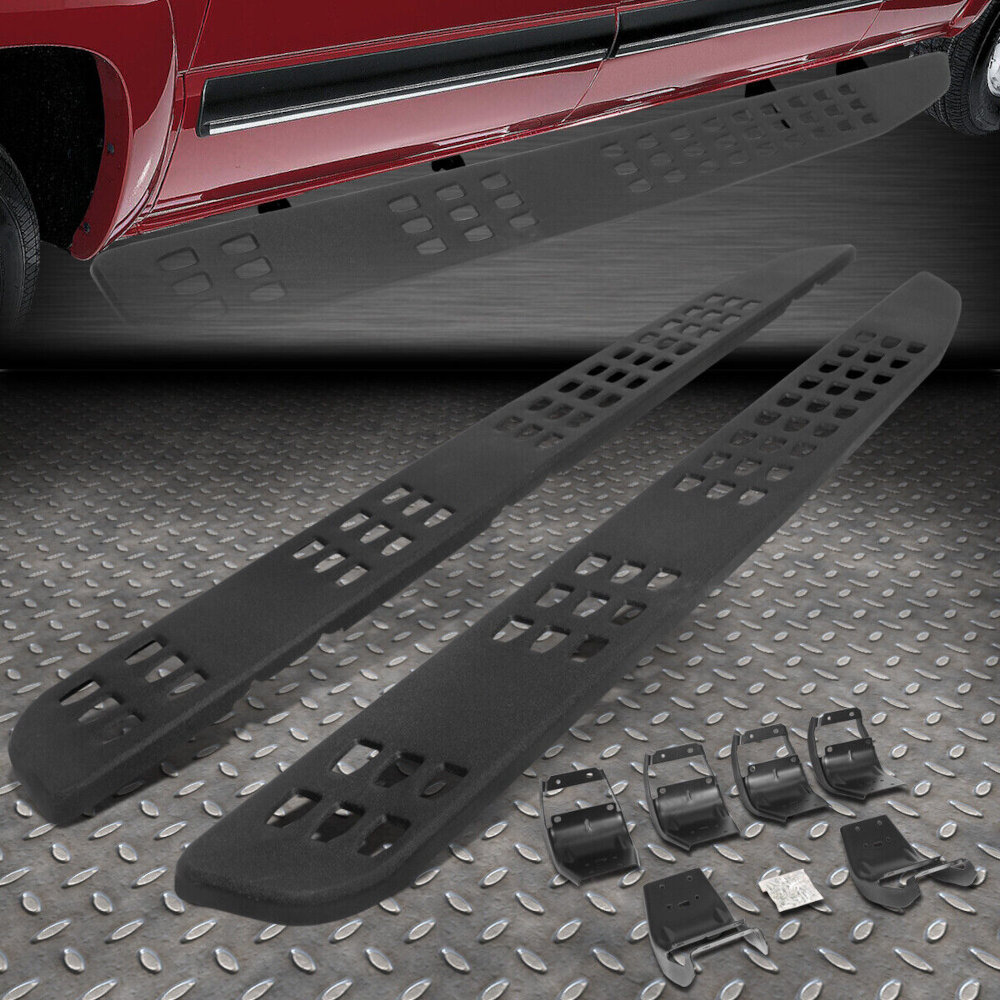
Escalade running boards are a convenient feature that allows easier entry and exit of the vehicle. However, there may be circumstances when turning them off is necessary. For instance, deep snow, ice, mud, tight obstacles, or off-road conditions can make a deployed board more vulnerable to damage. In such cases, limiting deployment can be a reasonable precaution if the owner manual provides a proper setting for your model. Furthermore, keeping power boards retracted can protect them in some conditions, but it does not turn an Escalade into a high-clearance off-road vehicle. Do not rely on a single button location or menu path from a generic article. Check the owner manual for your Escalade year and trim, then use the vehicle settings or assist-step control described there. If the board does not respond normally, treat it as a fault instead of forcing it.
There could be various reasons why a driver might want to turn off the running boards of their Cadillac Escalade. Firstly, turning off the running boards can help save battery life, especially when the vehicle is not in use. Additionally, it can prevent damage to the running boards, particularly in harsh weather conditions or when driving on rough terrain. Another reason for turning off the running boards could be to avoid any potential accidents, especially when entering or exiting the vehicle in tight spaces. Whatever the reason may be, it is essential for Cadillac Escalade owners to know how to turn off their running boards for convenience, maintenance, and damage-prevention reasons.
Steps to Turn Off Escalade Running Boards
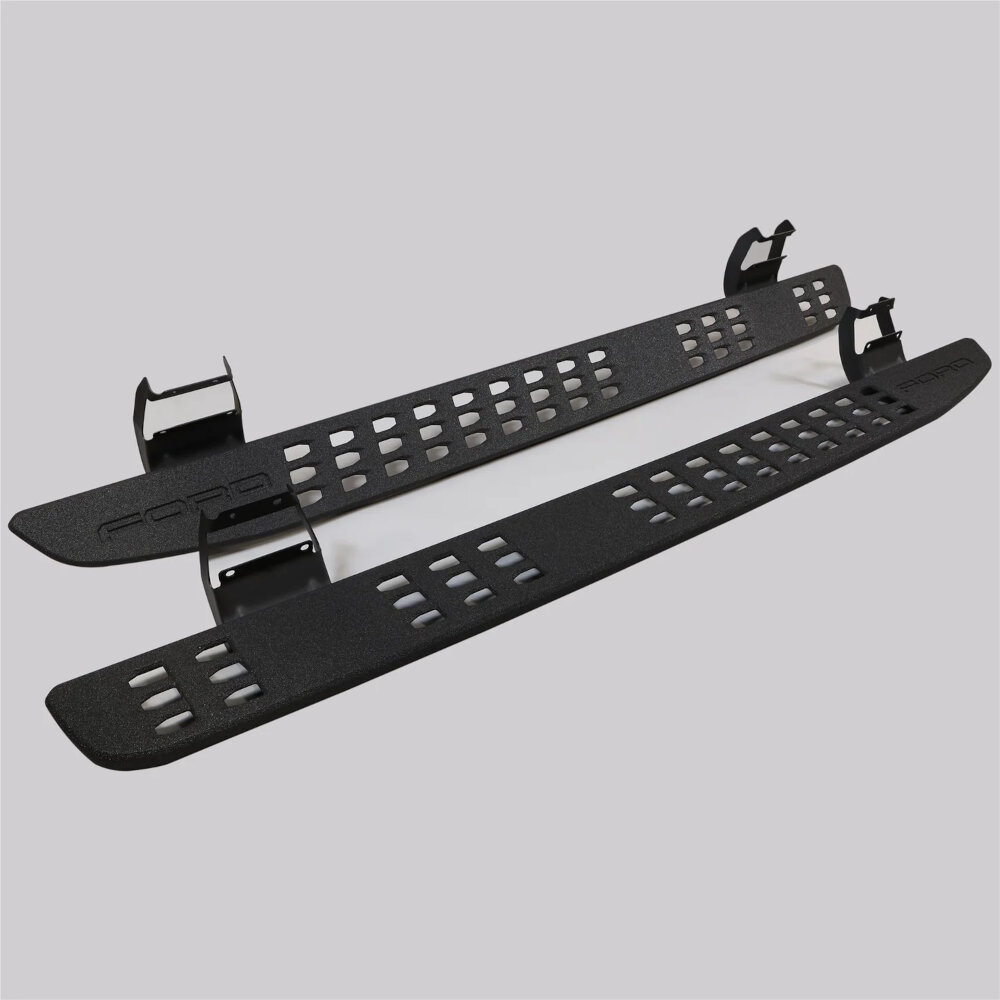
If you want to keep the running boards retracted, start with the vehicle manual instead of assuming the same shortcut works on every Escalade. Depending on model year, the control may be in a settings menu or a dedicated switch. Use the exact procedure Cadillac provides for your vehicle, and keep hands and feet clear while the board moves. A settings change may change automatic deployment behavior, but it is not the same as repairing a faulty motor, linkage, sensor, or wiring issue. Avoid electrical disable methods unless the owner manual or a qualified technician tells you to use one. Fuse, battery, or module shortcuts can affect other vehicle systems and may create diagnostic or safety problems.
The Escalade running boards are a convenience feature, but their electrical controls should not be disabled casually. If a board is stuck or unsafe, park the vehicle, keep people clear of the moving step, look for obvious obstruction, and schedule service. Electrical diagnosis should follow the service information for that exact vehicle.
Escalade running boards can make entry and exit easier, but do not treat a power-step disable as a universal quick fix. Use the manual setting if your model provides one; use service diagnosis if the step is noisy, stuck, loose, blocked, or inconsistent.
How to Troubleshoot Common Issues
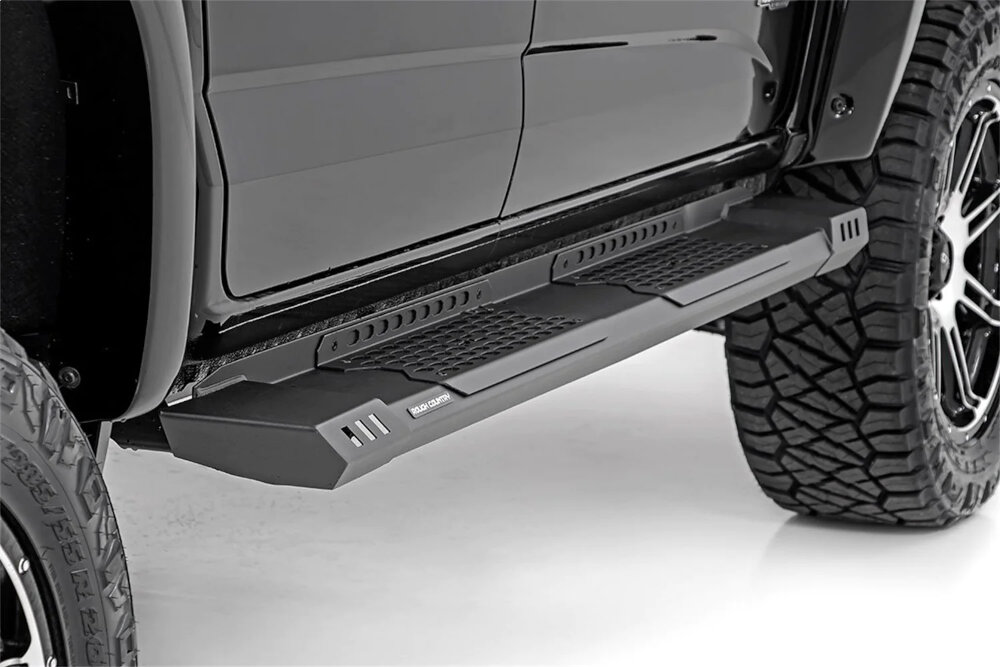
When it comes to troubleshooting common issues with Escalade running boards, there are a few steps you can take to resolve the problem quickly and efficiently. One common issue is that the running boards may fail to retract or extend properly. If this happens, first check that the doors are closed and that no visible ice, mud, or debris is blocking the step. Fuse or wiring diagnosis should be handled with the correct manual or by a technician. If the problem persists, it could be an issue with the motor or control module, which may require professional repair. Another common issue with Escalade running boards is that they may become stuck in one position. This can be caused by a variety of factors, including debris or ice buildup, damaged sensors, or a malfunctioning control module. To troubleshoot this issue, you should first try to clear any debris or ice from the running boards and sensors. If this does not resolve the problem, the motor, linkage, sensor, or module may need diagnosis. A service department or qualified accessory technician is the safer next step if basic obstruction checks do not solve it. If you are unable to resolve the problem on your own, it may be necessary to seek professional assistance.
When turning off running boards, there are several common problems that may occur, such as the boards getting stuck, not retracting fully, or making strange noises. To solve these issues, first, ensure that the boards are free of debris or obstructions that may be preventing them from retracting fully. Next, check the wiring and connections to ensure they are secure and not damaged. If the problem persists, do not use a battery reset as a generic fix; use the manual’s reset procedure or a technician’s diagnostic process. If none of these solutions work, it may be necessary to seek professional assistance to diagnose and repair the issue.
When it comes to Escalade running boards, it’s essential to know how to turn them off. One common issue that owners face is the running boards not turning off. However, before jumping to conclusions, it’s crucial to check whether the doors are fully closed as they could be the root cause of this problem. This simple step can save owners a considerable amount of time and effort. Keep the Escalade running boards clean and inspected so dirt, ice, corrosion, or loose parts are caught early. By following this quick guide, owners can ensure they are in complete control of their Escalade’s running boards and enjoy a smooth ride.
When to Use Escalade Running Boards
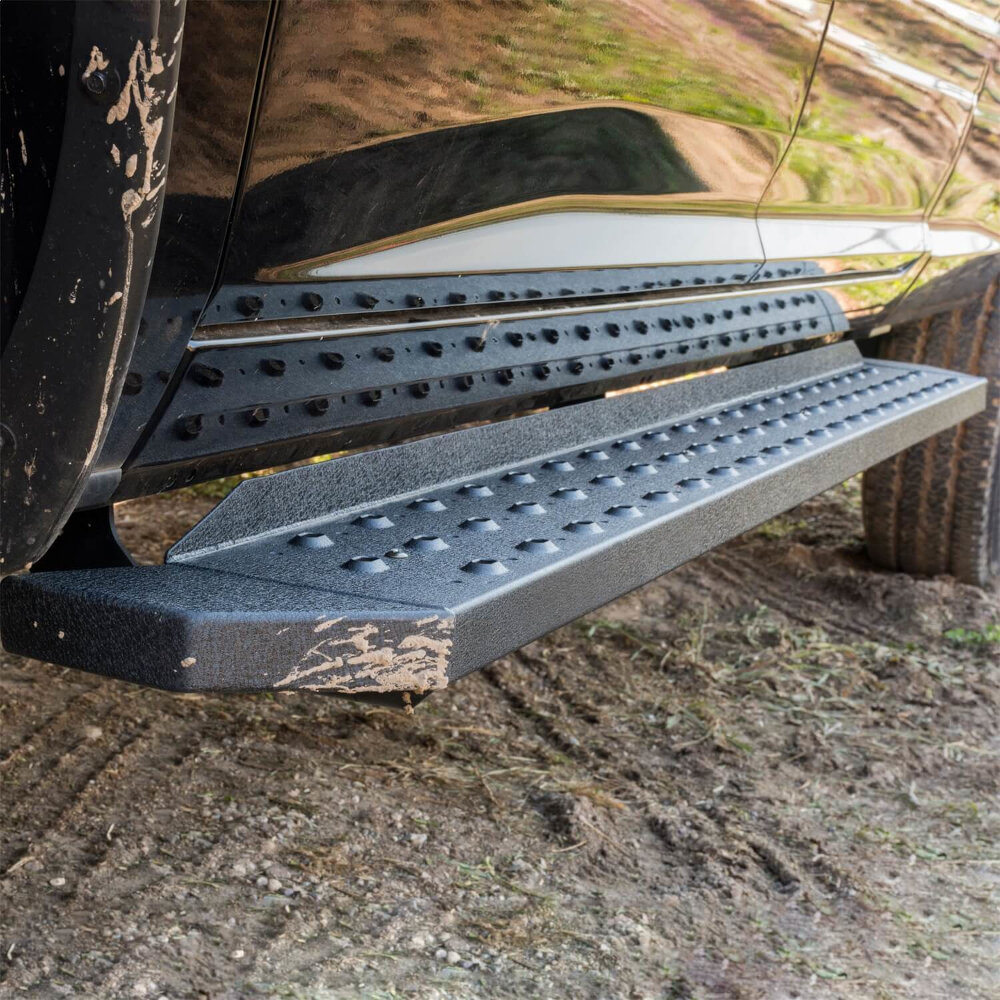
Escalade running boards can be useful when they match the driver’s needs and work correctly. They provide both a functional and stylish look to your vehicle. A running board is a small platform installed on the side of a car to help passengers enter and exit the vehicle. Escalade running boards are especially useful for those who have difficulty getting in and out of the car, such as children or elderly people. They also protect the sides of the car from scratches and dents caused by rocks, debris, and other road hazards. However, there are times when you might want to turn off your Escalade running boards. For instance, if you are going off-road or driving in an area with a lot of rocks or debris, you may want to use the manual’s retract/disable setting, if your model provides one, to reduce damage risk. Additionally, if you are driving on a narrow road or through a tight space, the running boards may make it difficult to maneuver the vehicle. In such situations, it is better to keep them retracted through the approved control setting if the situation allows. Overall, Escalade running boards are a great addition to your vehicle, but it is important to know when to turn them off to ensure their longevity and your safety.
Running boards on an Escalade can be very useful in a variety of situations. For example, when loading or unloading the vehicle, the running boards can provide a stable platform to step onto. They can also help prevent dirt and debris from getting on the vehicle’s interior by allowing passengers to wipe their feet before entering. Additionally, the running boards can make it easier for elderly or disabled passengers to enter and exit the vehicle by providing a lower step height. However, there may be times when you need to turn off the running boards, such as when driving on rough terrain or through deep snow. Knowing how to turn off the running boards can help you avoid damage to the vehicle and ensure a safe and comfortable ride for all passengers.
Running boards are an excellent accessory to make entering and exiting your Escalade easier and more comfortable. However, it’s crucial to use them safely to avoid any accidents or injuries. Here are some tips to help you use your running boards effectively. First, make sure that the boards are clean and free from any snow, ice, or debris that may cause you to slip. Second, use the running boards as a stepping stool and not a slide. Place your foot firmly on the board before lifting your other foot to the vehicle. Third, avoid jumping on or off the running board and never use them while the vehicle is in motion. Finally, keep people clear of the step path and use the manual’s setting if you need the boards to stay retracted while parked. By following these tips, you can use your running boards safely and enjoy all the benefits they provide.
The safest version of this guide is not a one-size-fits-all disable procedure. It is a reminder to use the owner manual, avoid forcing or electrically bypassing a stuck board, and get service when the board does not move normally.
If your Escalade has a repeated running-board problem, write down the model year, trim, side affected, weather conditions, warning messages, and whether the board is stuck extended or retracted. That information helps a technician diagnose the fault faster.
Conclusion
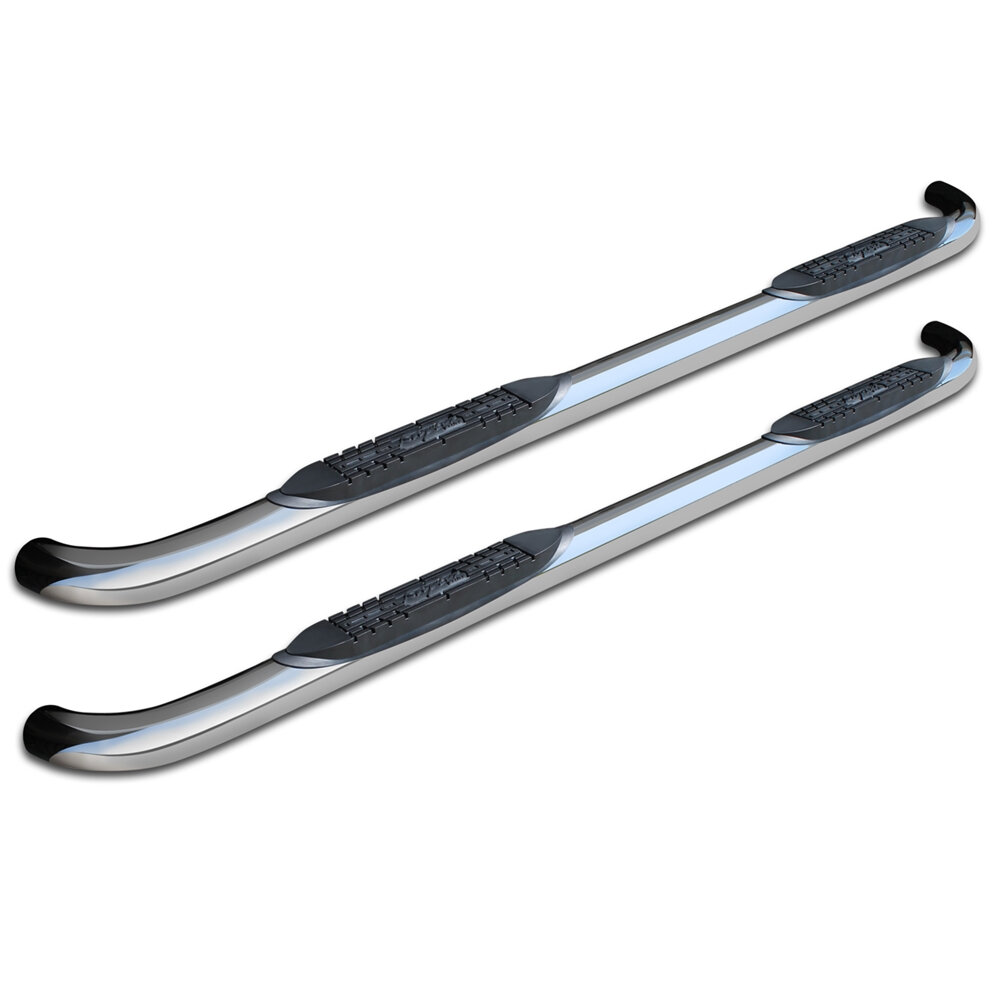
In conclusion, Escalade running boards can be useful, but disable and troubleshooting steps need to match the exact vehicle. Use the owner manual first, keep people clear of moving boards, avoid electrical shortcuts, and get professional diagnosis when the board is stuck, noisy, loose, corroded, or operating improperly.