A speed-ratio correction factor is one input from a particular belt-design procedure. It is not a belt speed, horsepower rating, pulley diameter or stand-alone safety factor. The selected historical values below show why the belt section and ratio band must be read together. Use the complete current design method for the belt family and application you are selecting.
[gs_table id=”11230″]
Read the section before the number
The original table separates narrow-belt cross sections such as 3VX, 5VX, 5V and 8V. A factor for one section does not automatically apply to another section at the same numerical ratio. The ratio bands also differ between the two groups of sections, so do not interpolate across an empty or adjacent interval unless the governing procedure explicitly permits it.
KSR is the speed-ratio factor used in Gates Formula D34. In that formula it is multiplied by r, the fastest shaft speed divided by 1,000 rpm, and contributes to the horsepower rating. Treat KSR as a formula coefficient, not as a stand-alone dimensionless ratio or safety factor. This page shows selected entries, not the complete current design chart.
Confirm which ratio the procedure means
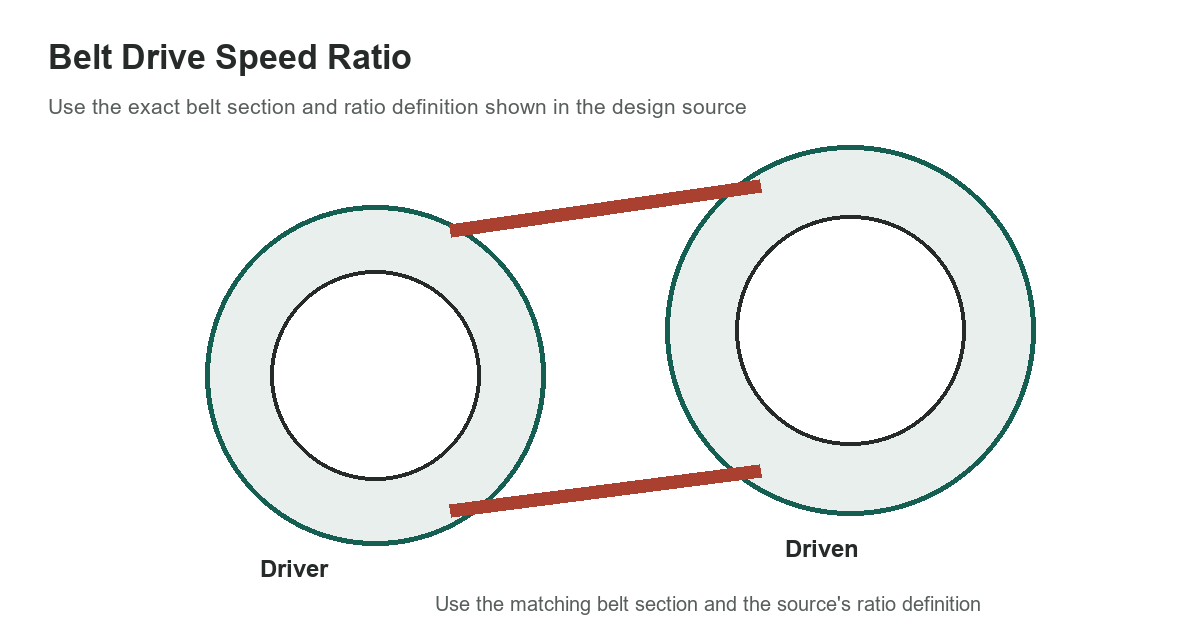
Drive references may express ratio as driver speed divided by driven speed, driven speed divided by driver speed, or an equivalent pitch-diameter relationship. These conventions are reciprocals. Record which shaft is the driver, which is driven and whether the design is a speed increase or speed reduction before locating a factor.
For an existing machine, verify actual shaft speeds with the installed belt and load rather than relying only on a nameplate ratio. If the drive is variable-speed, record the operating range and the position of any adjustable sheave. A single operating point may not describe the full duty cycle, and a correction factor from one speed band cannot characterize the entire drive.
For a simple belt drive with negligible slip, shaft speed ratio is related inversely to pitch diameters. Actual operating speed can differ because of belt creep, elastic effects and loading. A correction table tied to a specific procedure should not be mixed with a different convention or copied into a calculator without its definitions.
Do not use Ksr as the whole design
Belt selection also depends on transmitted power, service factor, driver and driven speeds, pulley diameters, center distance, wrap angle, belt length, belt construction, environment and installation tension. A correction factor cannot establish that a drive has enough capacity or that a pulley is within the belt manufacturer’s limits.
Use current manufacturer design software or its current manual for the exact belt product. Gates publishes a Heavy Duty V-Belt Drive Design Manual and product-specific resources; confirm that the manual applies to your belt series. A narrow-section table from a general handbook is not a substitute for current product engineering data or a manufacturer’s application review.
Related drive dimensions are separate checks
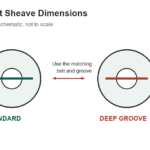
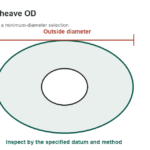
Before ordering, check the sheave groove and outside dimensions against the belt section and equipment. The narrow V-belt sheave dimension reference covers selected 3V, 5V and 8V minimums. The sheave outside-diameter tolerance guide focuses on inspection, not speed-ratio correction. For another construction, see the variable-speed belt length reference.
Do not assume that a similar label means the same pitch geometry or rating. Classical V-belts, narrow belts, variable-speed belts and synchronous belts use different profiles and design assumptions. Match the exact belt marking and pulley groove specification, and verify alignment, wrap and tension using the applicable installation instructions.
Use the excerpt as a cross-check
First identify the section and ratio definition. Then find the exact band and apply the factor only within the formula that defines it. If the ratio falls outside the table, the exact product is different, or units and definitions are unclear, stop and consult the current supplier method rather than extrapolating. Keep the factor’s source and edition with any calculation record.
Sources: Gates Heavy Duty V-Belt Drive Design Manual and Gates Heavy Duty V-Belt Drive Design Manual, Formula D34 and Tables D44–D49.