A taper-shank jobber reamer combines a cutting diameter and flute section with a Morse taper shank for machine mounting. The label alone does not identify every dimension or tolerance needed to order a replacement. Compare the nominal diameter, flute length, overall length, taper number, flute style, material, and tolerance against the maker’s current listing and the drawing for the exact part.
Selection fields to compare
The table is a buying and inspection checklist, not a universal size chart. Current catalogs list fields such as decimal diameter, flute length, Morse taper number, overall length, and number of flutes. The exact combination changes across sizes and manufacturers. Confirm all relevant fields together before treating two tools as interchangeable.
[gs_table id=”10797″]
Choose by the finished hole
Start with the required finished diameter and hole tolerance. A reamer is usually selected to finish a prepared hole; it is not a substitute for drilling a correctly sized starting hole. The material, stock allowance, hole depth, machine, workholding, coolant, and required finish influence the tool choice and cutting conditions. Follow the reamer manufacturer’s recommendations for the particular workpiece and operation.
Check how the supplier defines diameter and tolerance. A catalog may state nominal size, decimal equivalent, and a tolerance class or range. Do not infer a fit class from a nominal fraction alone, and do not compare only rounded decimal displays. For a precision bore, obtain the controlled drawing or product specification and confirm measurement method, tool condition, and calibration requirements.
Match the Morse taper and reach
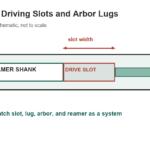
Read the Morse taper number from the tool marking or verified catalog entry, then match it to the spindle, socket, or sleeve. A taper that looks close is not proof of fit. Clean and inspect both mating surfaces; chips, fretting, burrs, or impact damage can prevent full seating and contribute to runout or tool release. Check that the tang and any drive or retention feature match the machine arrangement. Never use a damaged taper or force a mismatched shank into a holder.
Compare flute length with the depth and geometry of the hole, and check overall length against the fixture and spindle envelope. Sufficient flute length is needed for the cutting section to cover the intended engagement, while excess tool projection can reduce rigidity. If an extension or socket is required, verify the complete assembly and overhang limits with the machine and tool documentation.
Choose flute style and material for the job
Straight-flute tools are common for general reaming, while spiral flutes can help direct chips in a chosen direction for particular through-hole or blind-hole applications. These are not universal rules: cutting direction, work material, interruption, chip evacuation, and the manufacturer’s design determine suitability. Confirm whether a catalog item is straight or spiral flute and whether the tool is high-speed steel, carbide, or another substrate.
Check the number of flutes and the intended cutting conditions where those details matter. A product family may change construction across sizes, so do not assume a neighboring diameter has the same flute count or length. Verify the actual product number rather than relying on a category page heading or a search result snippet.
Order and inspect the exact tool
Record the maker, complete part number, nominal and decimal diameter, tolerance, flute style, flute length, overall length, Morse taper number, and material. Confirm availability and whether the listing is current; a page that remains online may describe a discontinued size. On receipt, compare the marking and dimensions with the purchase specification and inspect the cutting edges and taper before use.
ASME B94.2 covers nomenclature, definitions, types, sizes, and tolerances for reamers, and ASME currently lists the 1995 edition as reaffirmed in 2025. Use the applicable standard and the manufacturer’s controlled product data for final acceptance. The historical handbook page is a useful lead, not a current purchasing specification.
Browse the reference chart library, compare drill point geometry, and review tap-drill sizing for related hole-making references.
Sources
ASME describes B94.2 as the standard for reamer nomenclature, types, sizes, and tolerances. Michigan Drill and Penn Tool listings illustrate the catalog fields used for current taper-shank jobber reamers; confirm the exact item drawing before purchase.