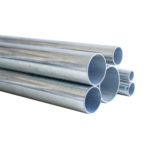
Hole Saw Size Chart For EMT
Quick answer: EMT conduit trade size is not the same as the hole saw size. A 1/2-inch EMT connector usually needs a 7/8-inch hole saw or knockout, 3/4-inch EMT needs about 1-1/8 inch, and 1-inch EMT needs about 1-3/8 inch. Use the connector or locknut manufacturer’s knockout specification when exact fit matters.
EMT Hole Saw Size Chart
| EMT trade size | Common hole saw size | Nominal knockout / punch size | Metric approx. |
|---|---|---|---|
| 1/2 in EMT | 7/8 in | 0.875-0.885 in | 22-22.5 mm |
| 3/4 in EMT | 1-1/8 in | 1.109-1.115 in | 28-29 mm |
| 1 in EMT | 1-3/8 in | 1.362-1.375 in | 35 mm |
| 1-1/4 in EMT | 1-3/4 in | 1.701-1.734 in | 43-44 mm |
| 1-1/2 in EMT | 2 in | 1.951-1.984 in | 50-51 mm |
| 2 in EMT | 2-1/2 in | 2.416-2.469 in | 61-64 mm |
| 2-1/2 in EMT | 3 in | 2.914-2.937 in | 74-76 mm |
| 3 in EMT | 3-5/8 in | 3.539-3.594 in | 90-92 mm |
| 3-1/2 in EMT | 4-1/8 in | 4.044 in | 103-104 mm |
| 4 in EMT | 4-1/2 in | 4.544 in | 114-115 mm |
Hole Saw vs Knockout Punch
A hole saw can work for field drilling, but a knockout punch usually makes a cleaner electrical-box hole with less burr. For metal enclosures, use the correct tool, drill speed, lubricant, and deburring step. For code work, the connector, locknut, bushing, enclosure rating, and local inspection rules matter more than the chart.
Drilling Checklist
- Confirm the conduit trade size and connector type.
- Mark the center and use a pilot hole.
- Use low speed and cutting oil on metal.
- Deburr the hole before installing the fitting.
- Use listed fittings and maintain enclosure ratings where required.
Related references: EMT conduit sizes chart, hole saw size chart for EMT, and socket sizes in order.
Source Notes
Hole saw and knockout values were checked against NEMA-style knockout guidance and electrician references including American Fittings’ conduit hole saw guide, Eaton knockout diameter guidance, and electrician hole-saw references. Confirm exact connector requirements before cutting finished enclosures.