GTAW setup depends on the material, joint, position, power source, torch, shielding gas, electrode classification, and welding procedure. This selected table shows how one historical handbook reference paired material thickness with tungsten size, filler-rod diameter, and a DCEN current range for carbon, low-alloy, and stainless steels. Treat the rows as study examples, not a procedure or a setting to copy directly to a welder.
Read the example as a starting comparison
For 1/8-inch material, the selected row pairs a 3/32-inch tungsten with a 3/32-inch filler rod and lists 150-170 A. The next row, for 3/16-inch material, keeps the electrode diameter but increases the filler-rod diameter and the current example. This illustrates why a thickness alone does not determine every setup choice.
The original table specifies DC electrode negative and a thoriated tungsten class for these examples. Its note says to reduce the current for stainless steel by approximately 10 percent. That note is part of the historical source context, not a universal correction factor. Modern inverter machines, electrode formulations, joint preparation, heat sinking, travel speed, and qualified procedures can lead to different choices.
One source conversion needed correction: 5/32 inch is 3.96875 mm, conventionally rounded to 4.0 mm, not 7.2 mm. The table uses the correct conversion. Never infer that a second value in parentheses is an independent recommendation when it is only a unit conversion.
Separate electrode, filler, and current decisions
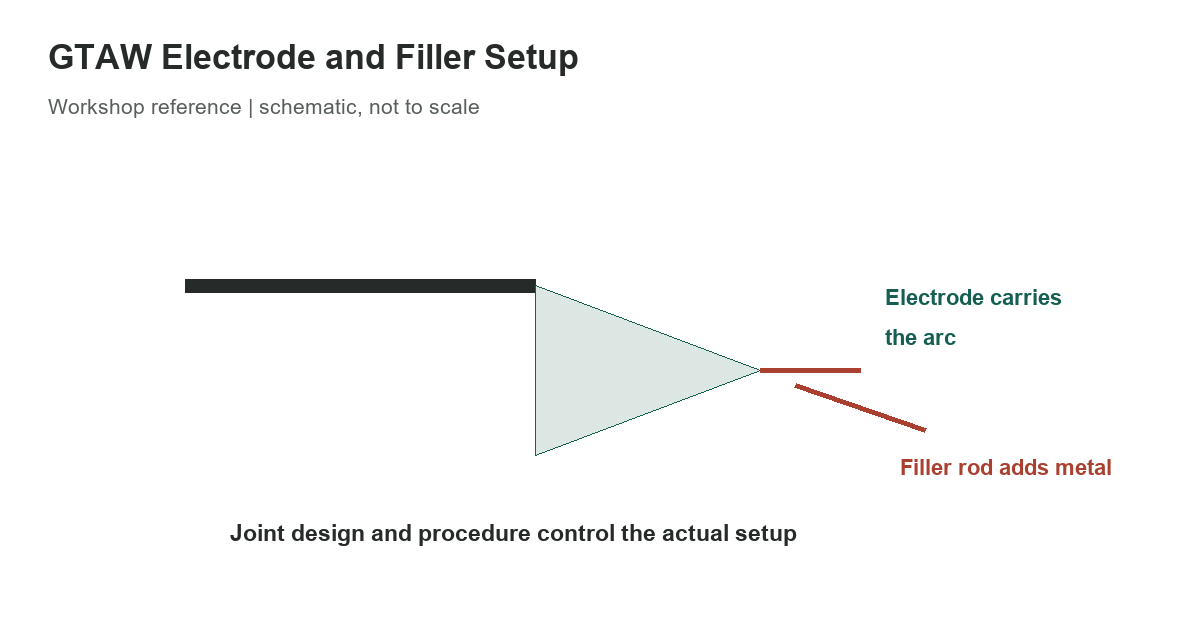
The tungsten electrode conducts current and helps establish the arc; the filler rod supplies added weld metal. They perform different jobs and should not be selected as if their diameters must match. A thicker filler rod can change how quickly a bead can be filled, while tungsten size and type must remain within the torch, current, polarity, and manufacturer limits.
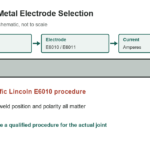
Current depends on material thickness, joint geometry, fit-up, position, heat transfer, and the target penetration. Lincoln Electric’s reference provides its own material- and thickness-based TIG examples, while AWS describes GTAW as a process whose equipment and consumables are selected for the application. Those current product references demonstrate why this old table should not override a current machine chart, approved welding procedure, or consumable manufacturer’s instructions.
When comparing charts, check the process and polarity first. A DCEN example for one tungsten classification cannot be transferred to an AC aluminum setup or to a different electrode composition. Confirm whether a manufacturer’s chart specifies a range or a starting point, and whether it assumes a particular gas, torch cooling method, electrode tip, or joint configuration.
Keep the filler rod clean and matched to the base metal and service requirements. Diameter is only one selection factor: the filler classification, joint access, deposition rate, and required weld properties matter too. Use the welding procedure or a qualified welding professional to resolve those choices.
For stainless steel, do not apply the historical 10-percent note mechanically. The alloy, thickness, joint, and heat-control requirements matter. For production, code work, pressure equipment, structural work, or a safety-critical repair, use the qualified procedure and its essential variables. This chart cannot qualify a weld or replace inspection.
Use the right companion reference
[gs_table id=”11080″]
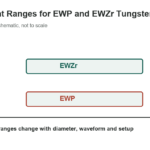
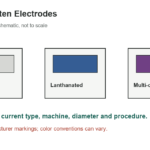
The GTAW tungsten type guide compares electrode classifications and selection cues. The separate EWP and EWZr current-range chart covers selected AC examples for those two tungsten classes. The sheet-metal stick-electrode guide covers a different welding process. Do not merge the distinct current tables or assume their conditions match.
References
These examples come from the handbook’s 2020 edition. Lincoln Electric’s TIG guide shows that current recommendations depend on the material and equipment; AWS describes the GTAW process and its consumables. For actual work, use the machine and electrode maker’s current guidance and the applicable qualified welding procedure.