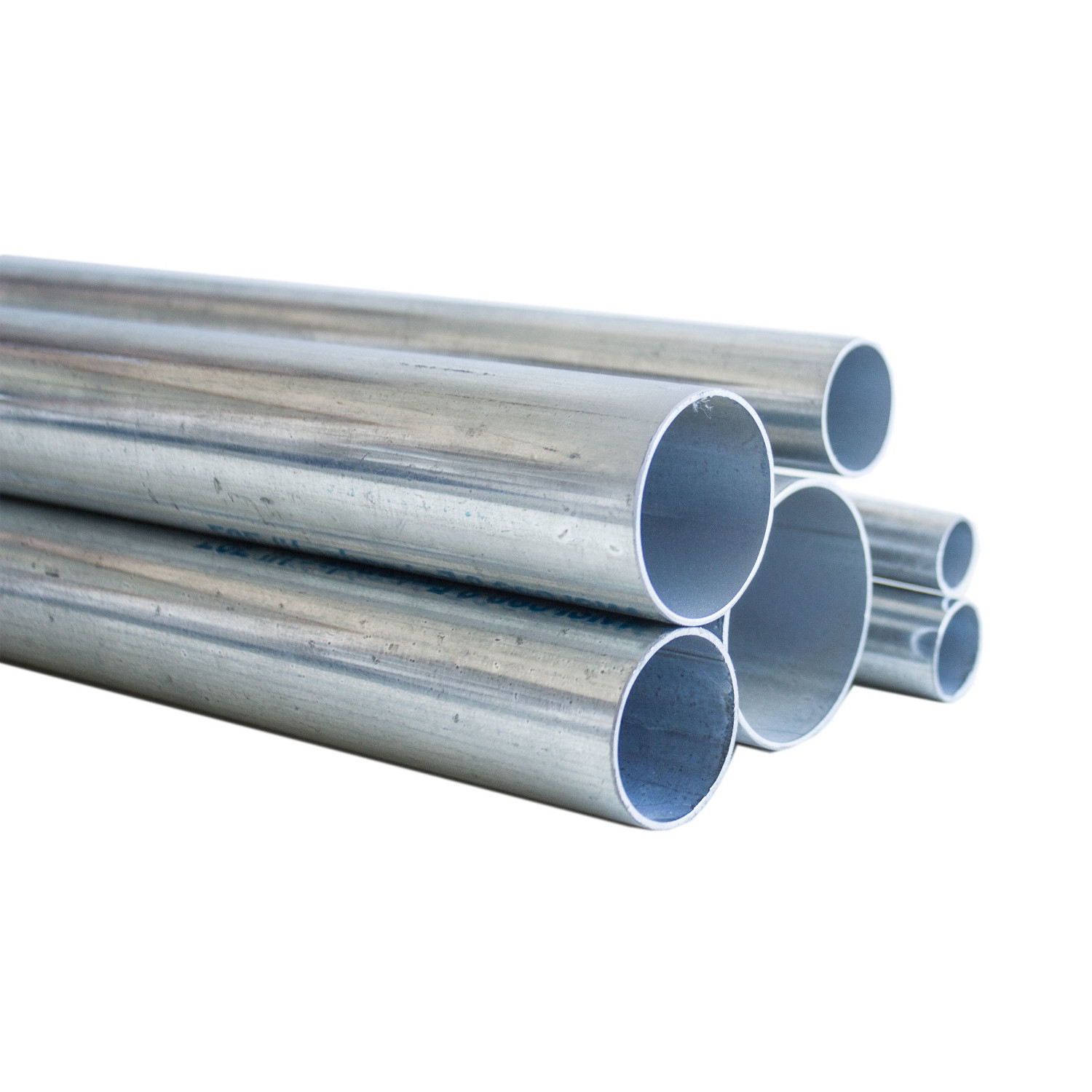
EMT Conduit Sizes: Dimensions and Outside Diameter
Quick answer: trade size is a label, not a measured diameter. For example, 1/2-inch EMT has a nominal outside diameter of 0.706 inch. Check the conduit type and product markings when selecting connectors or checking clearances.

EMT Outside Diameter and Internal Area
The internal area below is geometric area calculated from nominal inside diameter. It is not the allowable wire-fill area. Conductor fill depends on conductor count, insulation, and the adopted electrical code; use the applicable code tables and local requirements for design.
| EMT trade size | Outside diameter (in) | Approx. inside diameter (in) | Internal area (sq in) |
|---|---|---|---|
| 1/2 in | 0.706 | 0.622 | 0.304 |
| 3/4 in | 0.922 | 0.824 | 0.533 |
| 1 in | 1.163 | 1.049 | 0.864 |
| 1-1/4 in | 1.510 | 1.380 | 1.496 |
| 1-1/2 in | 1.740 | 1.610 | 2.036 |
| 2 in | 2.197 | 2.067 | 3.356 |
| 2-1/2 in | 2.875 | 2.731 | 5.858 |
| 3 in | 3.500 | 3.356 | 8.846 |
| 3-1/2 in | 4.000 | 3.834 | 11.545 |
| 4 in | 4.500 | 4.334 | 14.753 |
10 rows
Scroll horizontally to view all columns.
EMT, IMC, and Rigid Conduit Outside Diameters
Conduits with the same trade-size label can have different outside diameters. EMT is unthreaded; IMC and rigid metal conduit (RMC) are threaded systems. Select compatible connectors and fittings for the conduit type rather than relying on trade size alone.
| Trade size | EMT OD (in) | IMC OD (in) | Steel RMC OD (in) |
|---|---|---|---|
| 1/2 in | 0.706 | 0.815 | 0.840 |
| 3/4 in | 0.922 | 1.029 | 1.050 |
| 1 in | 1.163 | 1.290 | 1.315 |
| 1-1/4 in | 1.510 | 1.638 | 1.660 |
| 1-1/2 in | 1.740 | 1.883 | 1.900 |
| 2 in | 2.197 | 2.360 | 2.375 |
| 2-1/2 in | 2.875 | 2.857 | 2.875 |
| 3 in | 3.500 | 3.476 | 3.500 |
| 3-1/2 in | 4.000 | 3.971 | 4.000 |
| 4 in | 4.500 | 4.466 | 4.500 |
10 rows
Scroll horizontally to view all columns.
Choosing a Conduit Size
- Use trade size when identifying compatible conduit and fittings.
- Use the listed outside diameter when checking a hole, clamp, or clearance.
- Use the adopted electrical code, conductor insulation data, and local inspection requirements to determine conductor fill.
- Confirm actual product specifications when dimensions or tolerances matter.
Dimensional References
Published steel conduit dimensions are available from the Steel Tube Institute EMT table, its IMC table, and its steel RMC table. This page is a dimensional reference, not a conductor-fill calculation or installation design.