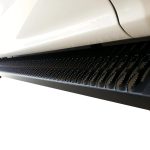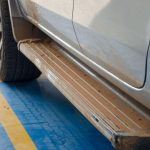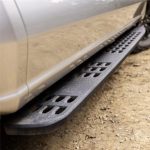
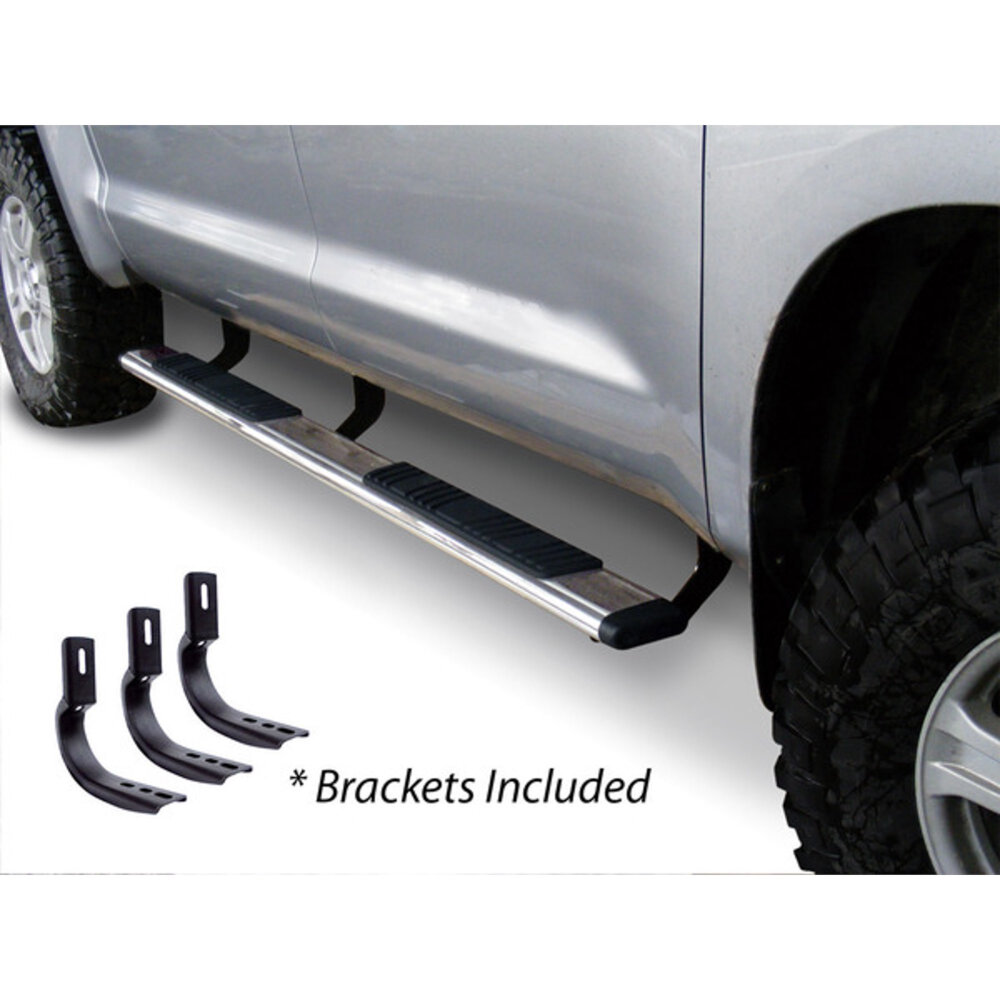
Quick answer: Polish aluminum running boards only after you know whether the visible surface is bare aluminum, clear-coated aluminum, anodized aluminum, painted trim, or a plastic/rubber tread insert. Bare aluminum can usually be cleaned, deoxidized, polished, and sealed. Coated or anodized boards should be washed gently; aggressive metal polish can stain, haze, or cut through the finish.
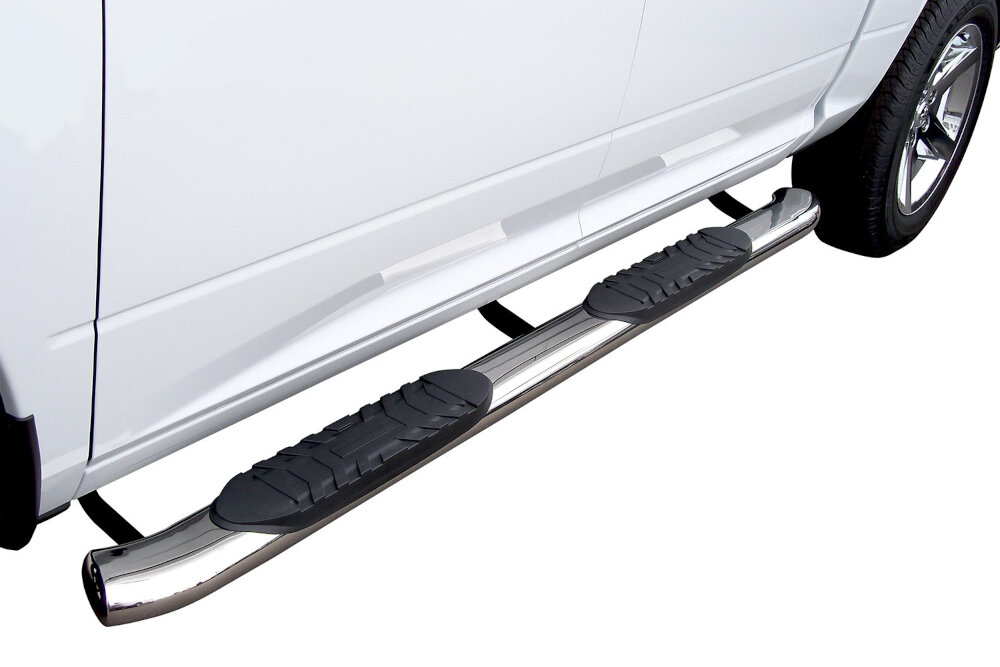
Identify The Surface Before Polishing
The safest polishing job starts with a small hidden test spot. Running boards often combine aluminum, black plastic end caps, rubber step pads, stainless trim, and painted brackets. Treating all of it like bare aluminum is how people create dull patches and white residue.
| Surface | How it usually looks | Safe approach | Avoid |
|---|---|---|---|
| Bare aluminum | Dull gray oxidation, black residue on polishing cloth | Wash, deoxidize lightly, polish, protect | Acid cleaners without testing |
| Clear-coated aluminum | Glossy surface, oxidation may sit under failed coating | Wash and use paint-safe products | Metal polish that cuts the coating |
| Anodized aluminum | Even satin or colored finish | Mild soap, gentle brush, protectant if compatible | Abrasive polish that changes the color/texture |
| Rubber or plastic tread | Black pads or inserts | Soap, water, soft brush, rubber/plastic-safe cleaner | Metal polish, solvent soaking, harsh pads |
| Painted brackets | Black powder coat or paint | Wash and touch up chips if needed | Polishing compound on thin paint |
Confirm The Finish With A Controlled Test
Wash and dry a small area on the underside or rear edge, then inspect it in direct light. Bare aluminum often develops a gray, uneven oxide film. A tiny amount of aluminum polish worked with a white cloth may produce dark gray or black residue as oxide and metal are lifted. Stop immediately if the test creates a lighter patch, changes a satin texture, or makes a glossy film look cloudy. Those signs suggest anodizing, clear coat, paint, or another finish that should not be treated like exposed metal.
Do not use an aggressive solvent to identify the finish. A solvent can soften coatings, stain plastic, and carry black polishing residue into textured tread. If the board has a brand label or part number, check the manufacturer’s care instructions. Terms such as polished aluminum, brushed aluminum, anodized, powder-coated, chrome-look, and stainless trim describe different surfaces even when they appear similar from a few feet away.
Inspect the whole assembly, not only the bright center section. End caps, traction pads, edge strips, fastener covers, and brackets may require separate cleaners. Photograph their condition before starting so that existing coating failure, pitting, and scratches are not confused with damage from the polishing process.
Basic Process For Bare Aluminum Boards
If the board is bare aluminum and not heavily pitted, work in stages. Cleaning removes grit. Polishing removes oxidation and fine dullness. Protection slows the next round of oxidation.
| Step | What to do | Why it matters |
|---|---|---|
| 1. Rinse thoroughly | Flush mud, sand, and salt from the tread and bracket edges | Grit scratches aluminum during polishing |
| 2. Wash with mild soap | Use car-wash soap and a soft brush or microfiber | Removes road film before abrasives touch the surface |
| 3. Test a hidden spot | Try the polish on the underside or rear edge | Confirms whether the finish is bare or coated |
| 4. Polish small sections | Use light pressure and clean cloths; let black residue lift oxidation | Controls haze and avoids uneven shine |
| 5. Buff clean | Remove residue before it dries into tread grooves | Prevents white/black buildup around texture |
| 6. Protect | Apply a compatible sealant/wax/protectant for the finish | Slows water spotting and oxidation |
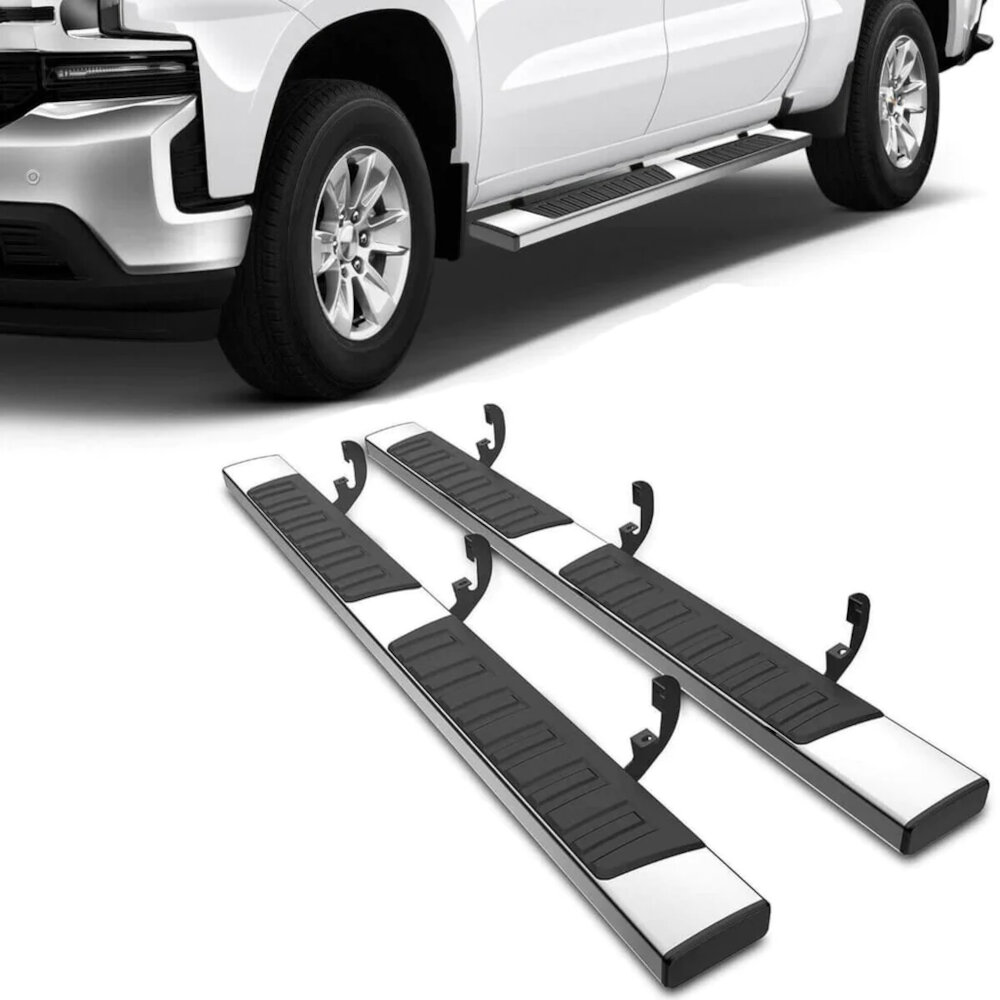
Clean And Decontaminate Before Polishing
Rinse from top to bottom with low-pressure water to carry away loose sand and road salt. Work a pH-neutral automotive soap into the tread with a soft nylon brush, then rinse thoroughly. Avoid letting dirty wash solution dry in grooves or around fasteners. A pressure washer can force water into end caps and damaged coatings, so keep distance and follow the vehicle and accessory maker’s washing guidance.
After washing, feel the bare metal through a clean plastic bag or glove. Rough specks may be bonded road film, tar, mineral deposits, or corrosion. Use only a contaminant remover that explicitly lists compatibility with the identified finish, and test it first. Do not mix cleaners. Acidic wheel cleaners, alkaline degreasers, chlorine products, and household abrasives can discolor aluminum or attack nearby materials.
Dry seams, bolt recesses, and the underside before applying polish. Water trapped in texture dilutes the compound and spreads residue. Mask porous black plastic, rubber, painted brackets, and body paint where the product may stain. Remove or lift removable tread pads only when the manufacturer’s instructions allow it; aged clips and adhesive can break during unnecessary disassembly.
Oxidation, Pitting, And Stains
Polish can improve dull oxidation, but it cannot fill deep pits or undo corrosion under a failed coating. If the board has deep white corrosion, bubbling clear coat, or sharp pitting where feet land, restoration becomes more than normal polishing.
| Problem | Likely cause | Realistic result | Next move |
|---|---|---|---|
| Light dull haze | Surface oxidation | Usually improves well | Polish by hand or with mild machine help |
| White powdery corrosion | Salt/moisture attack | May improve but pits can remain | Clean gently, polish, protect, monitor |
| Black streaks after polishing | Oxide residue | Normal on bare aluminum | Keep switching to clean towels |
| Cloudy clear coat | Coating failure | Polish may not fix it | Consider refinishing or replacement trim |
| Scratched tread peaks | Foot traffic and abrasive grit | Can soften visually, not disappear completely | Clean more often and avoid aggressive pads |
Polishing Technique For An Even Finish
Divide the board into small sections and use less product than seems necessary. Work the polish with overlapping passes and moderate pressure until the residue changes as described by the product instructions. Buff each section with a separate clean towel before the residue dries. Reusing a saturated cloth can drag oxide across finished areas and leave dark streaks.
Match the motion to the existing finish. On a mirror-polished board, alternate passes can help reveal missed haze. On brushed aluminum, polishing across the grain may create a visibly different patch, so use a product and motion intended for brushed metal. Diamond-plate and raised traction patterns need careful hand work around peaks and recesses; a bright flat area beside dull grooves looks unfinished.
For machine work, begin at the lowest practical speed with a soft foam cone or suitable cotton tool. Keep it moving and use light pressure. Stop if the metal becomes hot, the pad catches an edge, residue slings onto trim, or the finish changes faster than expected. Powered polishing is not appropriate near loose tread pads, sharp damaged edges, or a coating whose condition is uncertain.
Hand Polish vs Drill Attachment
A drill cone, foam pad, or small polishing wheel can save time, but it also creates heat and can grab raised tread. For textured running boards, hand polishing is slower but safer around edges, rubber inserts, and end caps.
| Method | Best for | Risk | Tip |
|---|---|---|---|
| Hand microfiber/terry cloth | Light oxidation and test spots | Slow on large boards | Use many clean towels |
| Soft brush | Soap cleaning tread grooves | Can scratch if too stiff | Use nylon, not wire |
| Foam polishing cone | Open flat sections | Heat, sling, uneven shine | Low speed, light pressure |
| Small cotton wheel | Diamond-plate texture | Can catch edges | Wear eye protection and keep control |
| Abrasive pad/sandpaper | Severe restoration only | Permanent finish change | Do not use unless refinishing the whole board |
Protect The Finish After Polishing
Remove all residue with clean towels and inspect the board from several angles. A compatible metal sealant, automotive wax, or coating can slow water spotting and oxidation, but it cannot repair pitting or coating failure. Follow cure-time instructions and keep protectant off the actual stepping surface when it could reduce traction. A glossy board is not an improvement if wet shoes slide on it.
In winter, rinse salt from the board and brackets regularly instead of waiting for spring. Check fasteners, drain openings, coating chips, and contact points between dissimilar metals. Touch up painted steel brackets with a compatible coating after removing loose rust. Do not cover active corrosion with thick grease or sealant without cleaning and inspecting it first.
For routine care, use mild soap and reserve metal polish for visible oxidation or loss of shine. Repeated aggressive polishing removes material and can round off texture. Frequent gentle washing normally preserves the result longer than repeated correction with abrasives.
When To Stop And Consider Refinishing Or Replacement
Polishing is cosmetic maintenance. Stop when corrosion has created sharp pits in the stepping area, brackets are cracked or loose, the board flexes abnormally, or a coating is peeling across large sections. Deep damage can reduce safe traction or hide structural deterioration. A metal refinisher may be able to strip and recoat a sound board, but severely corroded brackets or a weakened tread should be replaced.
Cloudiness beneath clear coat cannot be reached with surface polish. Likewise, a faded anodized finish will not return to its original uniform color through ordinary metal polishing. Aggressive sanding may make one area brighter while permanently removing the factory finish. When appearance is the only problem, accepting a clean satin surface can be safer and more durable than chasing a mirror finish.
Safety And Cleanup
- Wear gloves and eye protection when using metal polish, solvents, or powered pads.
- Work in ventilation and follow the product label/SDS for the cleaner or polish.
- Mask rubber, plastic, textured black trim, and painted brackets if polish stains them.
- Do not polish near hot exhaust parts or while the board is caked with grit.
- Dispose of dirty towels carefully if the product label warns about solvent or flammability hazards.
Related GarageSanctum Guides
- Running board materials
- How to coat running boards
- Removing paint from running boards
- What running boards do
Source Notes
- 3M aluminum restorer and polish data sheet describes removing oxidation and restoring appearance on bare aluminum.
- OSHA cleaning chemical safety guidance notes that safety data sheets include hazards, first aid, PPE, and spill procedures.
- OSHA PPE selection guidance for cleaning work highlights eye/skin/respiratory protection concerns around corrosive cleaners and solvents.