Choosing The Right Size Running Boards For Your Truck
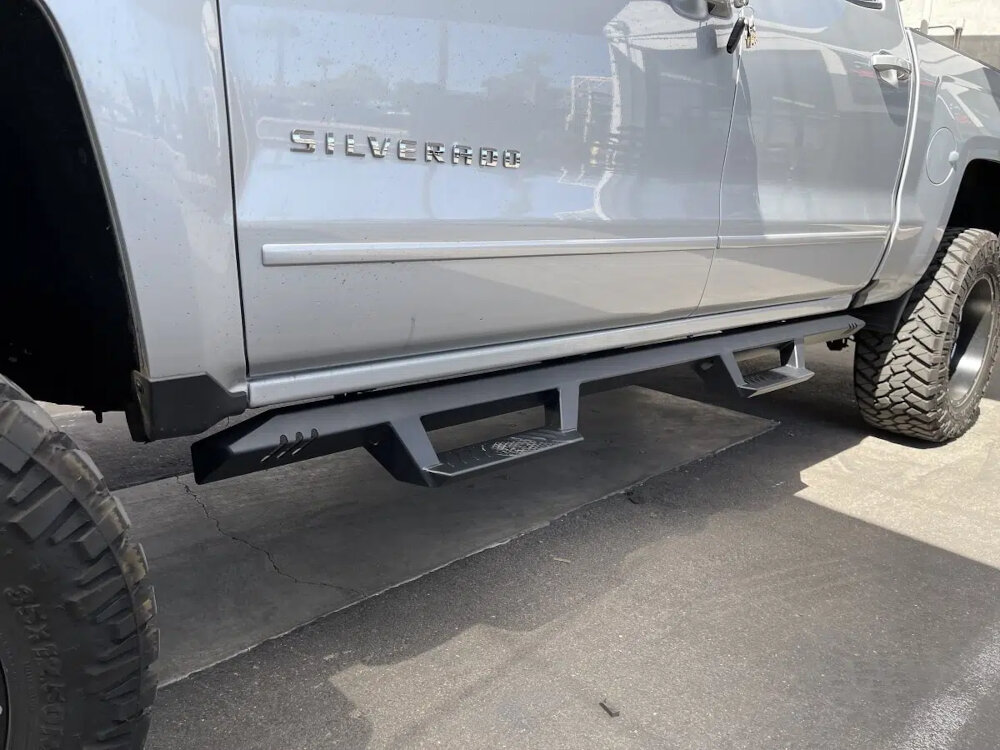
When it comes to upgrading your truck’s appearance and functionality, installing running boards is a great way to go. Not only do they add a stylish touch to your vehicle, but they also provide a helpful step for getting in and out of the truck, especially for those with shorter legs or mobility issues. However, choosing the right running boards can be confusing, with so many options available on the market. Start with exact vehicle fitment, then choose the style and step surface that matches how you use the truck. One of the most critical factors to consider when choosing running boards for your truck is the size. Not all running boards are created equal, and different sizes suit different types of vehicles. For instance, a crew-cab truck usually needs a different part number than an extended-cab truck, even if the model name is similar. Other factors to consider include the cab configuration, wheelbase size, and ground clearance. Our expert tips and recommendations will help you navigate through these factors to choose running boards that match your truck and use case, so they solve the access problem without creating door, clearance, or mounting issues.
Choosing the right size running boards for your truck is crucial for the overall functionality and aesthetics of your vehicle. The size and placement of the running boards affect where your foot lands when entering and exiting the truck. If the running boards are too small, it will be difficult to step on them, and you may even slip and fall. On the other hand, if the running boards are too big, they may look bulky and out of place on your truck. Additionally, the wrong style can reduce clearance, look awkward, interfere with doors, or leave step pads in the wrong place. It is important to consider the make and model of your truck, as well as your personal preferences and needs, when selecting the right running boards.
When it comes to purchasing running boards for your truck, there are a few factors to keep in mind before making a final decision. The first thing to consider is the size of your truck and the size of the running board. It’s important to choose a running board that is the appropriate length and width for your vehicle. Another important factor to consider is the material of the running board. Look for a durable material that can withstand wear and tear from daily use. The style and design of the running board should also match the aesthetic of your truck. Finally, consider the ease of installation and any additional features that may be beneficial, such as non-slip treads or additional lighting. Taking these factors into account helps you choose a board that fits the truck and the way passengers actually step into it.
Quick Answer: Size Running Boards By Cab Fitment, Not Just Truck Size
The safest way to choose running boards is to start with the product’s vehicle selector or fitment chart: year, make, model, cab style, bed length when relevant, trim, rocker-panel shape, and existing factory step hardware. Generic length advice can help you understand the options, but the final part number must match the truck.
Cab-length boards usually cover the doors. Wheel-to-wheel boards extend farther toward the bed so you can step near a toolbox or reach cargo. Drop steps, nerf bars, rocker-style sliders, retractable boards, and power boards solve different access and ground-clearance problems, so “perfect size” depends on how the truck is used.
| Fitment question | What to check | Why it matters |
|---|---|---|
| Cab configuration | Regular, extended, quad, double, crew, or mega cab. | Cab length controls where the step pads and brackets need to land. |
| Use case | Cab access only, bed/toolbox access, family passengers, work boots, or off-road clearance. | This decides cab-length, wheel-to-wheel, drop-step, retractable, or slider style. |
| Mounting points | Factory holes, brackets, rocker shape, pinch welds, and rust damage. | A board can be the right length but still wrong for the mounting system. |
| Step surface | Width, grip, location under each door, and wet/snowy conditions. | Wide boards help access; low-hanging boards can reduce clearance. |
| Load and material | Rated capacity, aluminum/steel/stainless/plastic, corrosion protection, and warranty. | The step must support real passengers and survive the climate it sees. |
Related GarageSanctum guides: compare running boards, review power running boards, compare nerf bars vs running boards, or browse the truck accessories hub.
Fitment Notes Used For This Refresh
- LUVERNE notes that many running boards and side steps are available in cab-length and wheel-to-wheel applications, with many designed for no-drill installation.
- RealTruck’s installation guidance emphasizes matching the step and brackets to the truck and using product-specific instructions.
- Accessory-shop guidance distinguishes cab-length steps, wheel-to-wheel steps, drop-down steps, and rocker/slider styles by how they mount and what access problem they solve.
Types of Running Boards
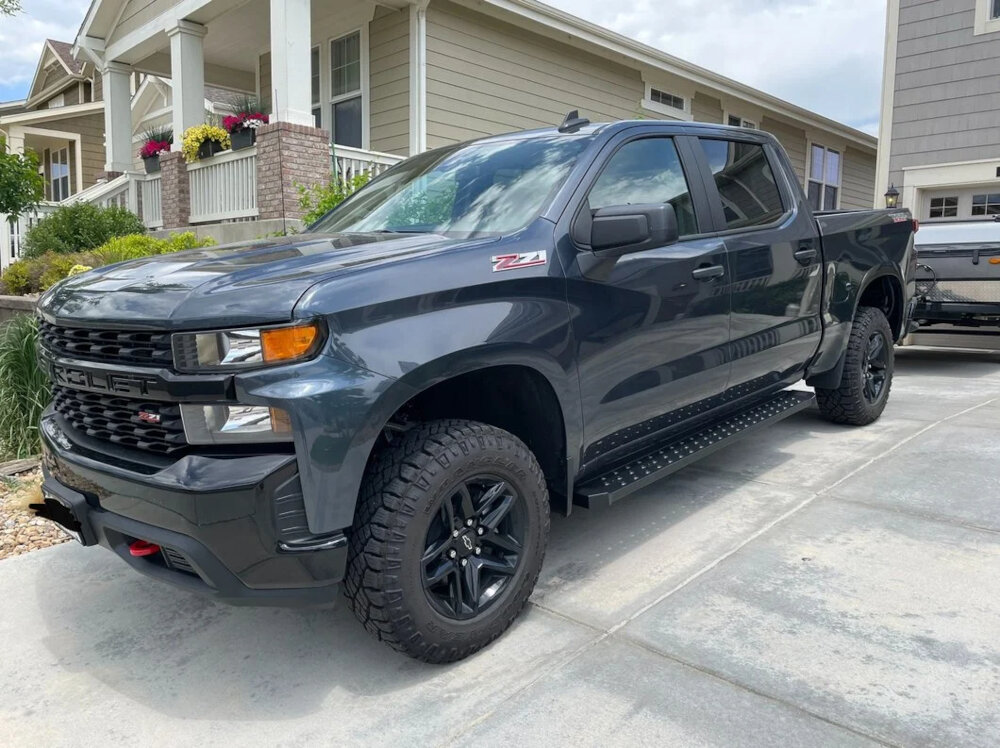
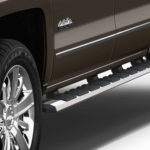
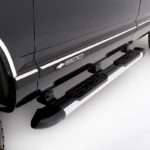
When it comes to choosing the right running boards for your truck, you have several options to choose from, including different types of running boards. The two most common types of running boards are the nerf bars and the step bars. Nerf bars and step bars are usually chosen for cab access and style; rocker sliders are the more protection-focused choice for hard off-road use. They are typically made of metal or plastic and are mounted along the bottom of the truck’s body. Nerf bars offer a sleek and low profile look and can come in a variety of finishes, including chrome, black, and stainless steel. Step bars, on the other hand, are designed to provide a step up into the vehicle. They are typically wider and offer a larger stepping surface than nerf bars. Step bars can also come with a non-slip surface for added safety. They are commonly made of metal or plastic and can come in a variety of finishes to match your truck’s style. While step bars offer a functional benefit for those who need help getting in and out of a high truck, they can also provide a stylish look to your vehicle. Ultimately, the type of running board you choose will depend on your personal preference and needs.
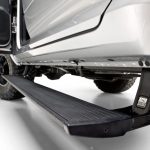
When it comes to running boards for your truck, there are a variety of options available on the market. Some popular types include nerf bars, cab-length, wheel-to-wheel, retractable, and power-deploying running boards. Nerf bars are a classic option that provide a sleek and sturdy step for easy entry and exit. Cab-length running boards are longer and provide a step for each door, while wheel-to-wheel running boards extend to the back of the truck bed. Retractable running boards are a convenient option that tuck away when not in use, and power-deploying running boards offer automatic deployment but add cost, wiring, and maintenance. Ultimately, the type of running board you choose will depend on your personal preference, as well as the specific needs of your vehicle.
When it comes to choosing the right running boards for your truck, there are several types to consider, each with its own set of pros and cons. The most common types include cab length, wheel-to-wheel, and retractable running boards. Cab length running boards offer a sleek look and are ideal for those who don’t need to access the truck bed frequently. However, they may not provide enough stepping surface for larger trucks. Wheel-to-wheel running boards extend past the cab and offer easy access to the truck bed, but can be bulky and cumbersome. Retractable running boards offer the best of both worlds, providing a sleek look when retracted and ample stepping surface when extended, but can be expensive and require maintenance. Ultimately, the right style depends on cab access, bed access, clearance, passengers, and exact vehicle fitment.
Measuring Your Truck
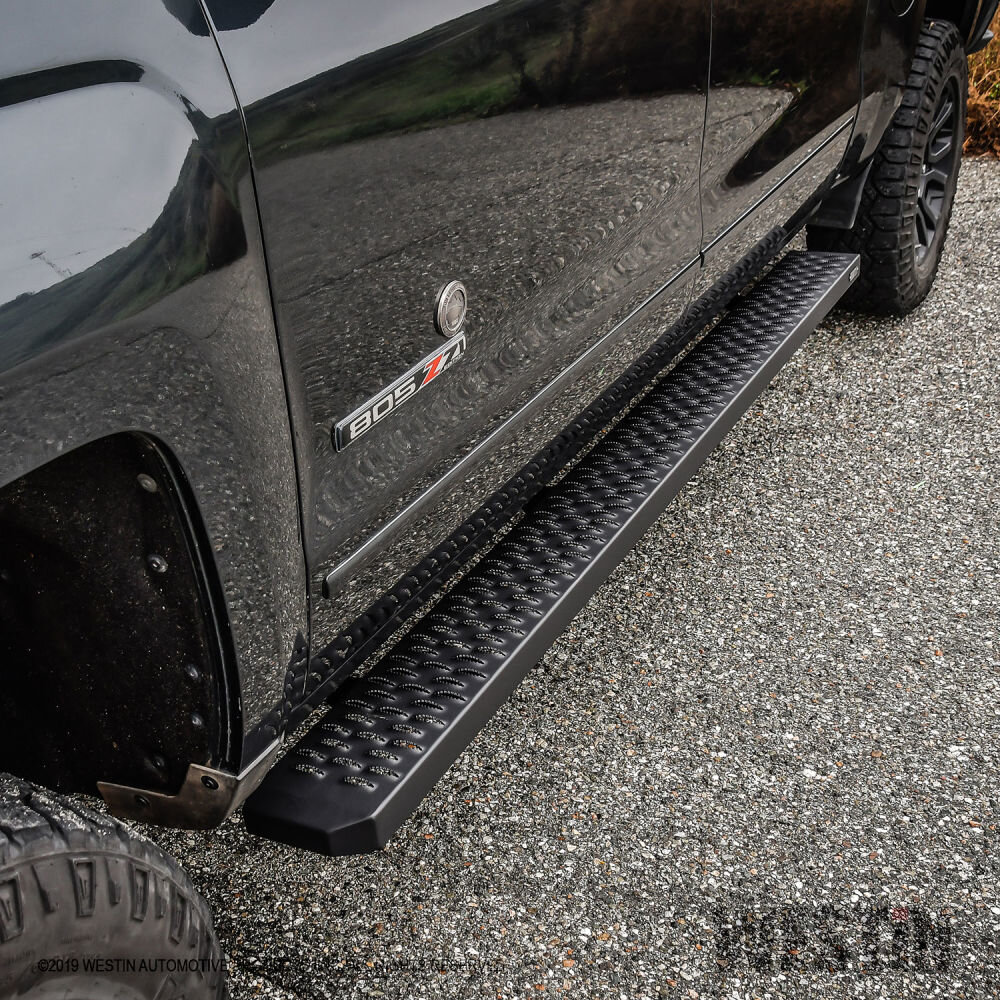
Measuring your truck is an essential step in choosing the right running boards. First, identify the exact year, make, model, cab style, trim, bed length, and whether factory steps or rocker damage are present. Then check where the step surface will land relative to each door and how much ground clearance you can give up. If the running boards are too high, they may be difficult to use, and if they are too low, they may not provide the necessary support for getting in and out of your truck. Also compare step width, pad placement, bracket locations, and whether cab-length or wheel-to-wheel boards better fit your use. Another measurement to consider is the length of your truck. This helps you decide whether cab-length boards are enough or whether wheel-to-wheel boards are useful for bed or toolbox access. Additionally, you should consider the weight capacity of the running board to ensure that it can support you and your passengers safely. By taking the time to measure your truck accurately, you can choose the right running boards that will provide the necessary support and comfort for your needs.
When it comes to choosing the right running boards for your truck, the first step is to measure your truck. To measure your truck, you will need a measuring tape and a helper. Start by confirming the cab style and checking the manufacturer’s fitment chart. Then inspect the rocker-panel mounting points and measure where passengers naturally step. Make sure to measure both sides of the truck to ensure accuracy. Once you have these measurements, you can start looking for running boards that fit your truck’s dimensions. It’s important to choose running boards that are the right size, as they will provide the necessary support and protection for you and your passengers when entering and exiting the vehicle.
Accurate measurements are crucial when it comes to choosing the right running boards for your truck. To ensure precise measurements, always use a tape measure that is in good condition and has clear markings. Take multiple measurements of the area where the running boards will be installed to ensure consistency and accuracy. It is also important to take into account any curves or bends in the truck’s body when measuring. Additionally, be sure to measure both the length and width of the area to ensure that the running boards will fit properly. Finally, double-check your measurements before making any purchases to avoid any mistakes and ensure they are the right fit for your truck.
Choosing the Right Size Running Boards
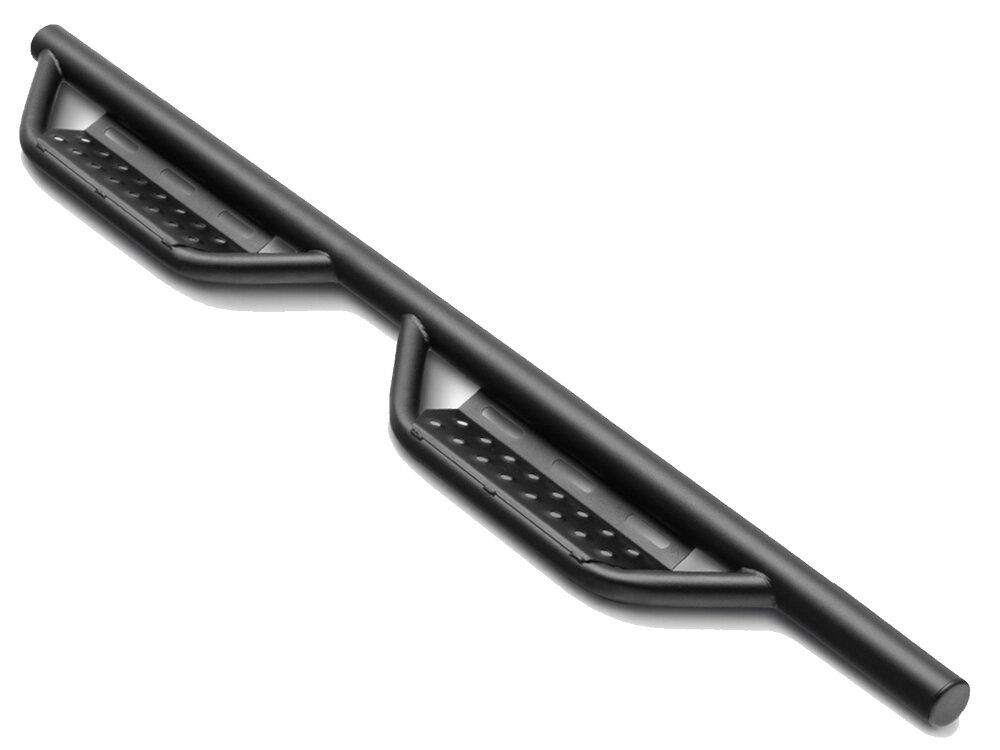
When it comes to choosing the right size running boards for your truck, there are a few factors to keep in mind. First and foremost, you’ll want to consider the size and height of your truck. Running boards that are too short may not provide enough stepping surface, while those that are too long may look awkward or be difficult to maneuver around tight corners or obstacles. Additionally, you’ll want to think about the width of your truck and the placement of the boards relative to your doors. Running boards that are too narrow may not provide enough stability or comfort, while those that are too wide may interfere with opening and closing your doors. Another important factor to consider when choosing the right size running boards is your personal preferences and needs. If you frequently carry passengers or cargo in your truck, for example, you may want to opt for wider running boards that provide more stability and support. On the other hand, if you primarily use your truck for off-roading or other rugged activities, you may prefer narrower running boards that are less likely to get caught on rocks or other obstacles. Ultimately, the right running boards for your truck will depend on a variety of factors, including your vehicle’s size and design, your personal preferences and needs, and your budget and style.
Choosing the right size running boards for your truck can be a daunting task, but it is essential to ensure that you get the correct fit. To match the running board size with the truck size, you need to measure the distance between the bottom of your truck’s door and the ground. This measurement will give you an idea of the length of the running board that you need. Additionally, you should consider the width of your truck and the running board. A step surface that is too narrow can feel unstable, while one that sticks out too far can reduce clearance or catch mud, snow, rocks, or clothing. Therefore, it is crucial to choose running boards that are the appropriate length and width for your truck to ensure both safety and style.
When choosing the right running boards for your truck, there are some common mistakes to avoid. Firstly, don’t assume that bigger is always better. Choosing running boards that are too large for your truck can actually make it more difficult to enter and exit, especially if they stick out too far. Secondly, don’t forget to consider the placement of the running boards. Make sure they are positioned in a way that allows for easy access to the cab and doesn’t interfere with the operation of the doors. Lastly, don’t overlook the material and quality of the running boards. Low-cost options can still work, but compare mounting brackets, grip, corrosion protection, load rating, and warranty before buying.
Expert Tips and Recommendations
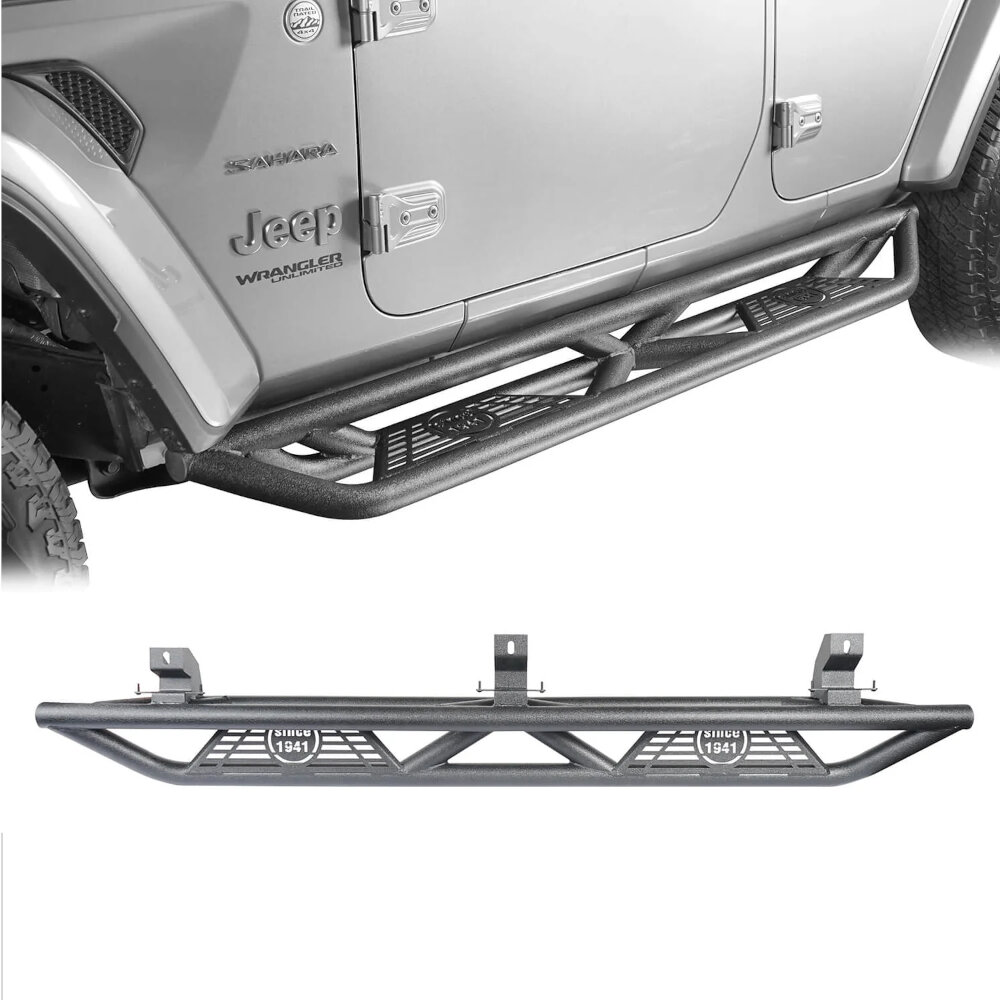
When it comes to choosing the right running boards for your truck, there are several expert tips and recommendations that you should keep in mind. One of the most important considerations is the size and height of your truck. If you have a larger or taller truck, you may need a wider step or lower drop, but the part still has to match the cab and brackets. Additionally, you should consider the weight capacity of the running boards to ensure that they can safely support your weight as well as any cargo or equipment that you may be carrying. Another important factor to consider when choosing running boards for your truck is the material they are made of. While there are several options available, including aluminum, steel, and ABS plastic, each material has its own benefits and drawbacks. For example, aluminum is lightweight and corrosion-resistant, while steel is more durable and long-lasting. ABS plastic running boards are a more affordable option but may not be as sturdy as other materials. Ultimately, the material you choose will depend on your personal preferences and the overall usage of your running boards. By keeping these expert tips and recommendations in mind, you can choose running boards that match your truck and use case that will enhance its functionality and aesthetics.
When it comes to choosing the right running boards for your truck, industry experts have a few tips to share. First and foremost, they recommend considering the type of driving and usage you will be doing with your truck. If you plan on taking your truck off-roading or through rough terrain, it may be best to opt for wider running boards that offer more surface area for stability. Additionally, experts suggest selecting running boards that are made from durable materials such as aluminum or stainless steel, as these materials can withstand the wear and tear of daily use. Lastly, it is important to choose running boards that are easy to install and maintain, as this will save you time and money in the long run.
When it comes to choosing the right running boards for your truck, it’s important to consider the specific make and model of your vehicle. For example, for a a Ford F-150 can use many widths and lengths depending on cab style and trim, as this will provide ample space for passengers to comfortably step in and out of the vehicle. a Chevy Silverado also needs exact cab and model-year fitment before width recommendations matter, as this will provide additional stability and support for heavier passengers. Ultimately, the size of your running board will depend on the make and model of your truck, as well as your personal preferences and needs. Be sure to consult with a trusted expert to find the right running board for your specific vehicle.
Choosing the right size running boards for your truck is crucial as it can greatly affect your driving experience. Running boards that are too small may not provide enough step support, making it difficult to get in and out of your truck, especially for those with mobility issues. On the other hand, running boards that are too big may stick out too far from your truck, hindering your driving and causing potential safety hazards. It is important to take into consideration the make and model of your truck, as well as the height of your vehicle, when choosing the appropriate size running boards. By selecting the right size running boards, you can ensure a safe and comfortable ride for yourself and your passengers.
When choosing the right running boards for your truck, there are several key factors to consider. First and foremost, you’ll want to ensure that the running boards are the appropriate size to fit your specific make and model of truck. Additionally, the style and design of the running boards should complement the overall aesthetic of your truck. Consider the functionality of the running boards as well, as some may be more slip-resistant or durable than others. Finally, think about the installation process and whether you’re comfortable installing the running boards yourself or if you’ll need to hire a professional. By taking these factors into account, you can confidently select the ideal running boards to enhance the look and functionality of your truck.
When it comes to selecting the right running boards for your truck, there are a few key factors to consider. First, think about the height of your truck and the distance between the ground and the door. You want to choose running boards that are the appropriate height to make it easy to step in and out of the vehicle. It’s also important to consider the width of the boards, as they should be wide enough to provide a stable platform for your feet. Additionally, the material of the running boards should be durable and able to withstand the elements. Ultimately, it’s important to take into account your personal preferences and needs when selecting the right running boards for your truck.
Conclusion
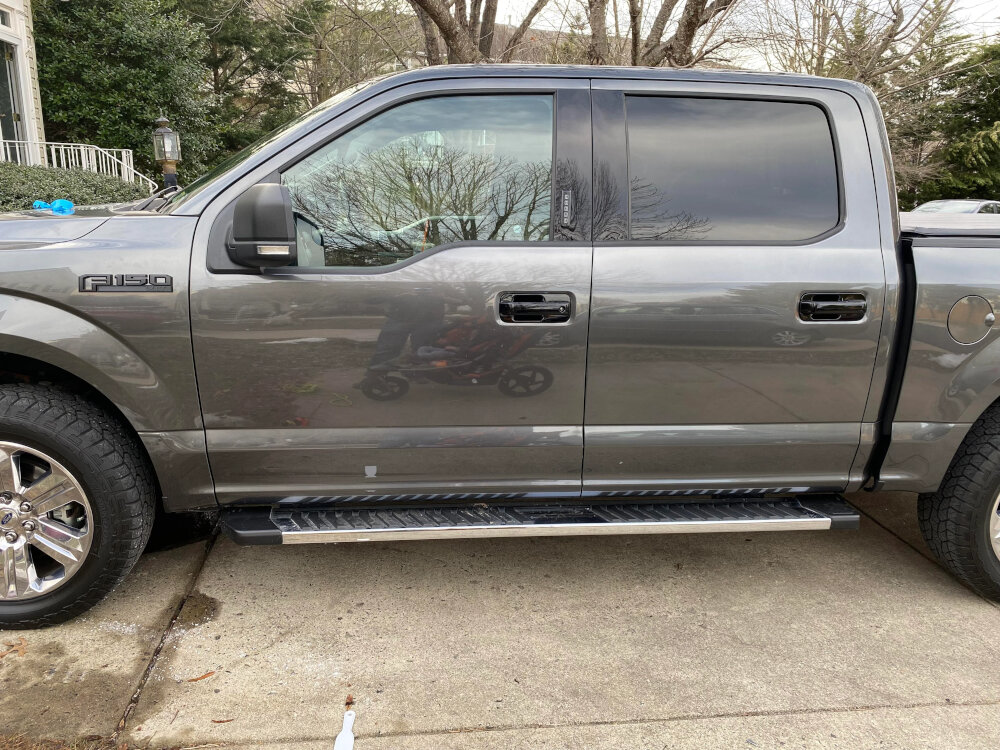
In conclusion, selecting the right size running boards for your truck is crucial for both functionality and style. By considering factors such as your truck’s height, cab size, and personal preferences, you can find the running boards that fit your truck, place the step under the right doors, and make entry and exit easier. With the expert tips and recommendations provided, you can confidently make an informed decision and enjoy the benefits of having the right running boards for your truck. From rugged off-road adventures to everyday commutes, the right running boards should make daily entry easier without creating clearance, rust, or installation problems.