How Long Do LED Lights Last? The Ultimate Guide to LED Lifespan
Quick answer: A good LED bulb can last many years, but the number on the package is not a guarantee that it will shine at full brightness for that long. LED life is usually based on useful light output, not a filament suddenly burning out. Heat, enclosed fixtures, dimmers, cheap drivers, moisture, voltage problems, and all-night use can shorten real-world life.

What LED Lifespan Really Means
Traditional bulbs usually fail when the filament or tube stops working. LEDs are different. Many LEDs gradually lose brightness over time, a process called lumen depreciation. In practical terms, an LED may still turn on after thousands of hours, but it may no longer be bright enough for the job.
| Term | Meaning | Why it matters |
|---|---|---|
| Rated life | The manufacturer’s estimated useful operating life | Use it as a comparison point, not a promise |
| Lumen depreciation | Gradual loss of light output over time | LEDs often get dimmer before they completely fail |
| L70 | Point where light output has fallen to about 70% of original output | A common way useful LED life is discussed |
| Driver failure | Failure of the electronics powering the LED | Often what kills inexpensive bulbs and integrated fixtures early |
| Warranty | Manufacturer’s coverage period | More useful than a giant hour claim if the bulb fails early |
LED Rated Hours Converted To Years
A rated-hour number only makes sense when you know how many hours per day the light runs. A garage task light used one hour per day ages very differently from a porch light or shop light that runs all night.
| Rated life | 1 hour/day | 3 hours/day | 8 hours/day | 12 hours/day |
|---|---|---|---|---|
| 10,000 hours | About 27 years | About 9 years | About 3.4 years | About 2.3 years |
| 15,000 hours | About 41 years | About 13.7 years | About 5.1 years | About 3.4 years |
| 25,000 hours | About 68 years | About 22.8 years | About 8.6 years | About 5.7 years |
| 50,000 hours | About 137 years | About 45.7 years | About 17.1 years | About 11.4 years |
Those long numbers are why it is better to think in use cases. For a frequently used garage, porch, workshop, or utility light, heat and electronics quality may matter more than the theoretical hour rating.
Real-World Lifespan By LED Type
| LED product | Typical expectation | Main failure risks |
|---|---|---|
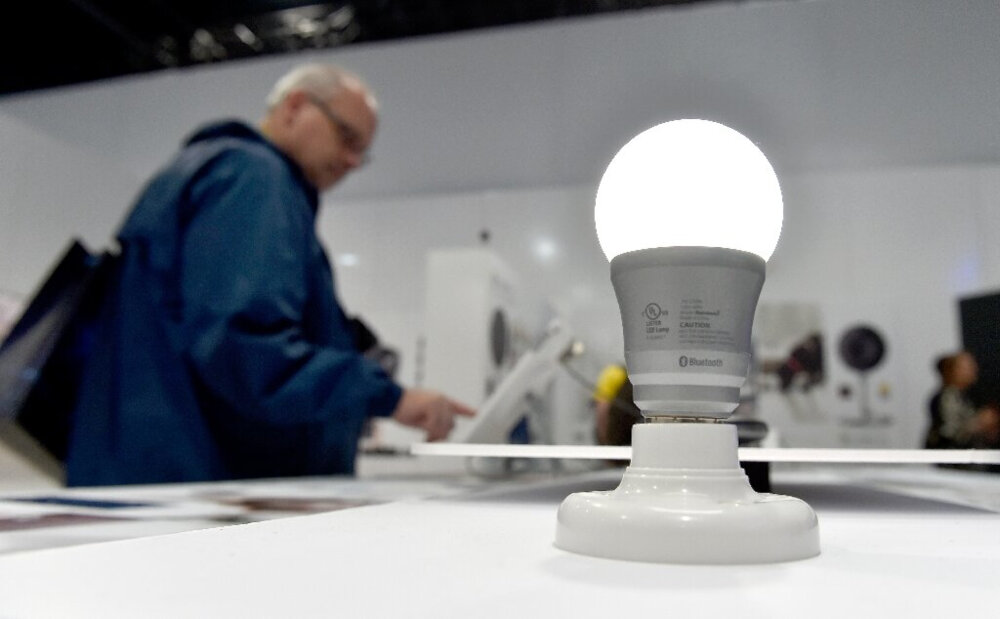
| Standard screw-in LED bulb | Often 10,000-25,000 rated hours | Heat buildup, cheap driver, wrong dimmer, enclosed fixture |
| Higher-quality LED bulb | Often 15,000-25,000+ rated hours | Still needs correct fixture rating and ventilation |
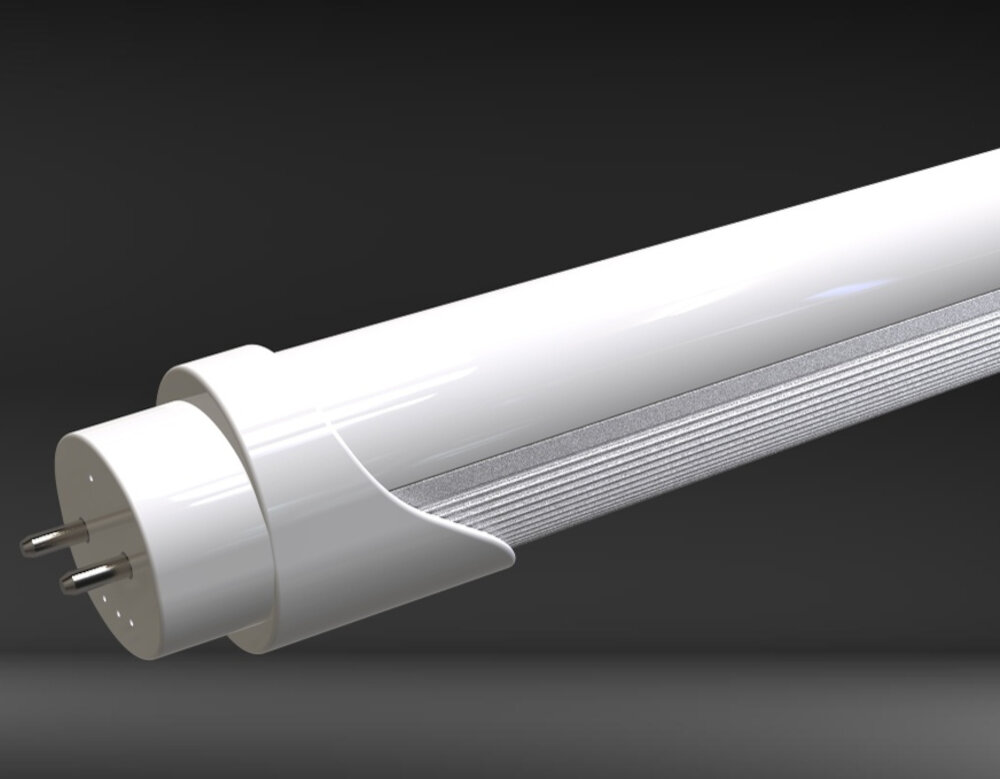
| LED shop light | Often 25,000-50,000 rated hours | Driver quality, heat, dust, vibration, power quality |
| Integrated LED fixture | Often 25,000-50,000 rated hours | Driver failure may require replacing the whole fixture |
| Outdoor LED fixture | Varies widely by rating and build quality | Moisture intrusion, heat, cold cycling, photocell/control failure |
| LED strip light | Depends heavily on power supply and heat dissipation | Undersized power supply, poor adhesive, heat, voltage drop |
What Shortens LED Life
The LED chips may be capable of a long life, but the complete product includes a driver, solder joints, plastic parts, thermal path, and sometimes a sensor or smart module. Those supporting parts often decide how long the light actually lasts.
| Problem | How it shortens life | Better choice |
|---|---|---|
| Enclosed fixture heat | Traps heat around the driver and LED board | Use bulbs rated for enclosed fixtures |
| Wrong dimmer | Can cause flicker, buzzing, unstable driver operation, or early failure | Use listed LED-compatible dimmers and bulbs |
| High ambient temperature | Raises electronics temperature, especially in garages and attics | Use fixtures designed for the location |
| Moisture | Corrodes contacts and damages electronics | Use damp/wet-rated fixtures where required |
| Poor power quality or loose connections | Creates stress, flicker, or intermittent operation | Fix wiring/control issues instead of replacing bulbs repeatedly |
| Cheap power supply or driver | Driver fails before LEDs wear out | Buy better-rated bulbs or fixtures from reliable brands |
If your LED failed suddenly instead of slowly dimming, read the guide to why an LED light suddenly stopped working. If it flickers or flashes before failing, start with the LED flickering troubleshooting guide.
Signs An LED Is Near The End
- It is visibly dimmer than matching bulbs installed at the same time.
- It starts slowly, flashes, blinks, or shuts off after warming up.
- It changes color or develops uneven bright/dark sections.
- The fixture or driver buzzes, smells hot, or runs unusually warm.
- An integrated fixture works only after cycling the switch.
How To Make LED Lights Last Longer
| Action | Why it helps | Best for |
|---|---|---|
| Match bulb to fixture rating | Prevents heat and moisture misuse | Enclosed, recessed, bathroom, porch, garage fixtures |
| Use compatible dimmers | Reduces flicker and driver stress | Dimmable bulbs and multi-bulb fixtures |
| Keep heat away | Electronics last longer when cooler | Shop lights, ceiling fixtures, attic/garage spaces |
| Do not exceed fixture wattage | Protects fixture wiring and heat limits | Any screw-in retrofit bulb |
| Fix loose sockets or switches | Prevents intermittent arcing/contact problems | Lights that blink when bumped or switched |
| Buy consistent replacements | Reduces mismatched brightness/color as bulbs age | Multi-bulb fixtures and garage ceiling grids |
When To Replace Instead Of Keep Using
Replace an LED bulb when it is too dim for the task, flickers in a normal fixture, smells hot, has a cracked base, or repeatedly trips a dimmer or control. Replace an integrated LED fixture when the driver is not serviceable or the cost of a listed replacement driver is close to a new fixture.
Related GarageSanctum Guides
- LED wattage explained
- LED vs regular light bulbs
- LED light fixture lifespan
- Why an LED light stopped working
- LED light colors explained
Source Notes
- U.S. Department of Energy LED lighting guide summarizes LED efficiency, heat, and longer expected life compared with CFL and incandescent lighting.
- ENERGY STAR LED lighting guide explains that LEDs usually experience lumen depreciation rather than burning out like traditional bulbs.
- FTC Lighting Facts guidance confirms that consumer labels include brightness, energy cost, life, light appearance, and wattage.
- ENERGY STAR lighting product messaging states certified LED bulbs are much more efficient and can last approximately 15 times longer than standard incandescent bulbs.