Garage Door Mechanism Types
Garage door mechanism choice affects driveway clearance, ceiling space, opener compatibility, maintenance, insulation, and safety. Most residential garages use sectional overhead doors, but side-hinged, tilt-up, roller, and sliding/round-the-corner systems can make sense when the opening, ceiling, or vehicle clearance is unusual.
Quick Comparison
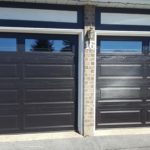
| Sectional overhead | Hinged panels travel up vertical tracks and back under the ceiling. | Most residential garages and opener installations. | Needs tracks, springs, rollers, hinges, and opener compatibility checks. |
|---|---|---|---|
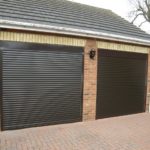
| Roller / rolling shutter | Narrow slats roll around a barrel above the opening. | Limited ceiling depth or commercial-style openings. | Higher cost, opener type, curtain material, and service access. |
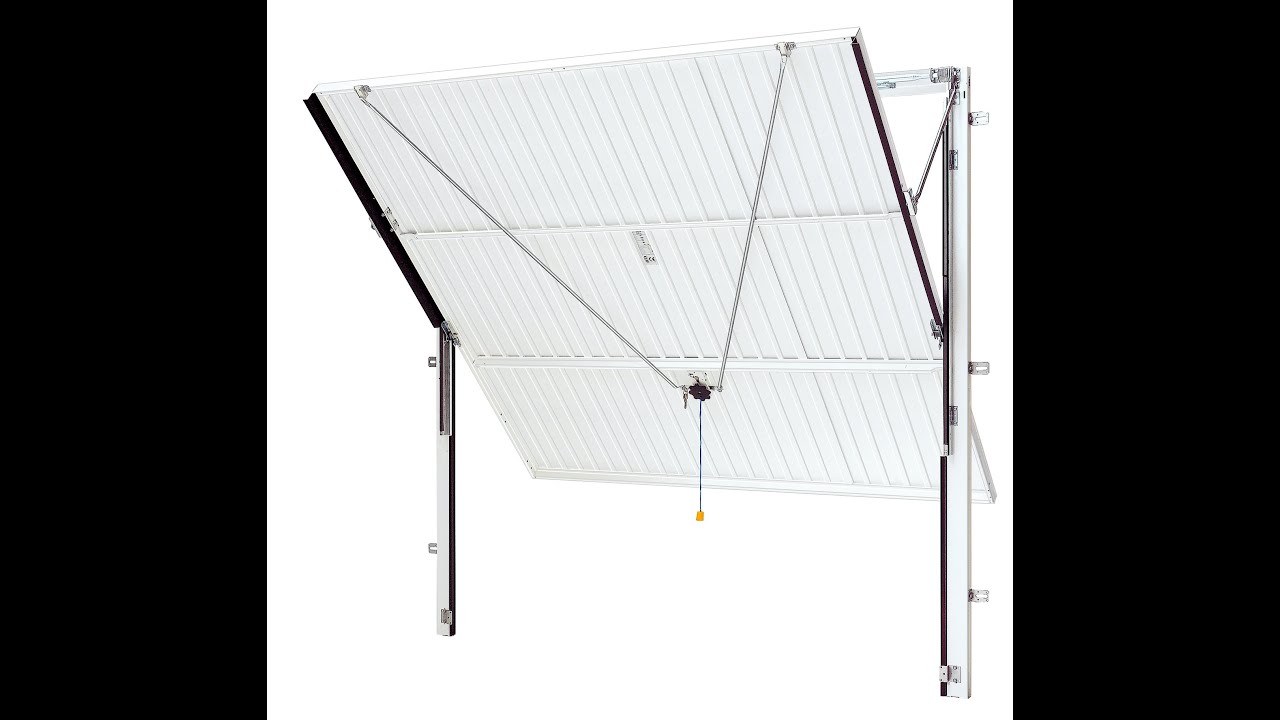
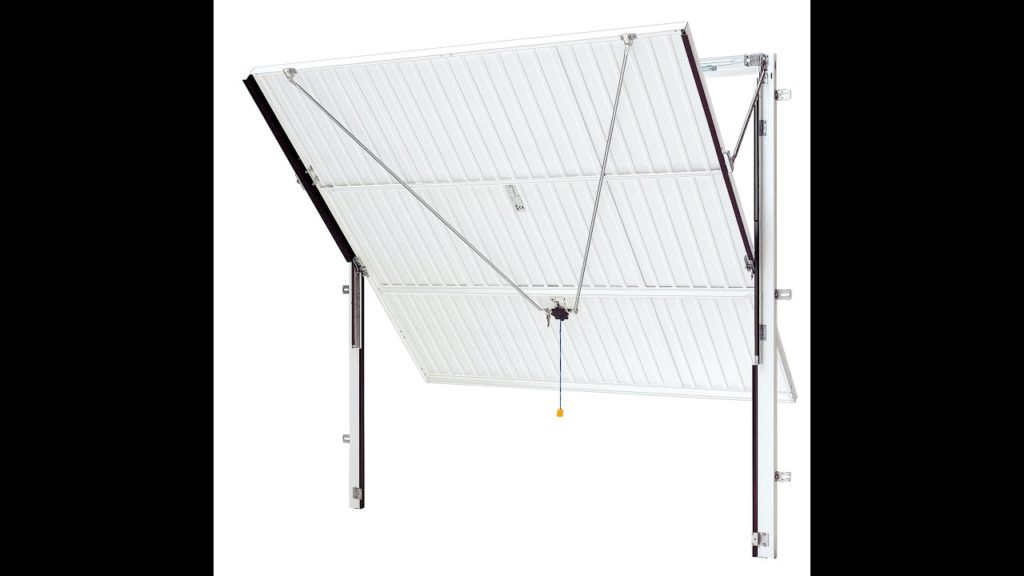
| Tilt-up / up-and-over | A single panel swings outward and then upward. | Older garages with enough driveway clearance. | Needs space in front of the garage and careful spring/counterbalance service. |
| Side-hinged | Two door leaves swing outward from side hinges. | Workshops, pedestrian access, and garages where ceiling tracks are undesirable. | Driveway swing clearance, weather sealing, wind load, and automation options. |
| Round-the-corner / side-sliding | Sections slide sideways along a wall track. | Low ceilings or garages where overhead space is used for storage. | Wall clearance, track cleanliness, and specialized installation. |
5 rows
Scroll horizontally to view all columns.
What To Check Before Choosing
- Opening width and height, headroom, side room, and backroom.
- Whether the garage is attached, insulated, heated, or used as a workshop.
- Driveway clearance for outward-swinging or tilt-up doors.
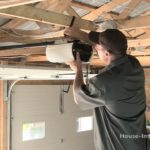
- Garage door opener compatibility, including rail length and safety sensors.
- Spring, cable, roller, hinge, and track condition before reusing old hardware.
Safety Notes
Do not treat springs, cables, bottom brackets, counterweights, or a door that feels heavy by hand as casual DIY work. DASMA warns that extension springs are under high tension and should have safety cables; IDA maintenance guidance tells homeowners to visually inspect springs, cables, rollers, pulleys, and hardware and call a trained service technician when something does not look or sound right.
Related GarageSanctum Guides
- Garage door sizes and roll-up door cost planning
- Best garage door opener guide
- Garage door opener troubleshooting
- Garage door opener installation cost
- Garage door lubricant guide
Source Notes Used For This Refresh
- DASMA garage door safety guidance emphasizes extension-spring safety cables and professional inspection when safety cables are missing.
- International Door Association maintenance guidance recommends monthly visual inspection of springs, cables, rollers, pulleys, hinges, and mounting hardware.
- Home Depot’s garage door type guide distinguishes roll-up, bi-fold, and other door styles by how they move and where they save space.