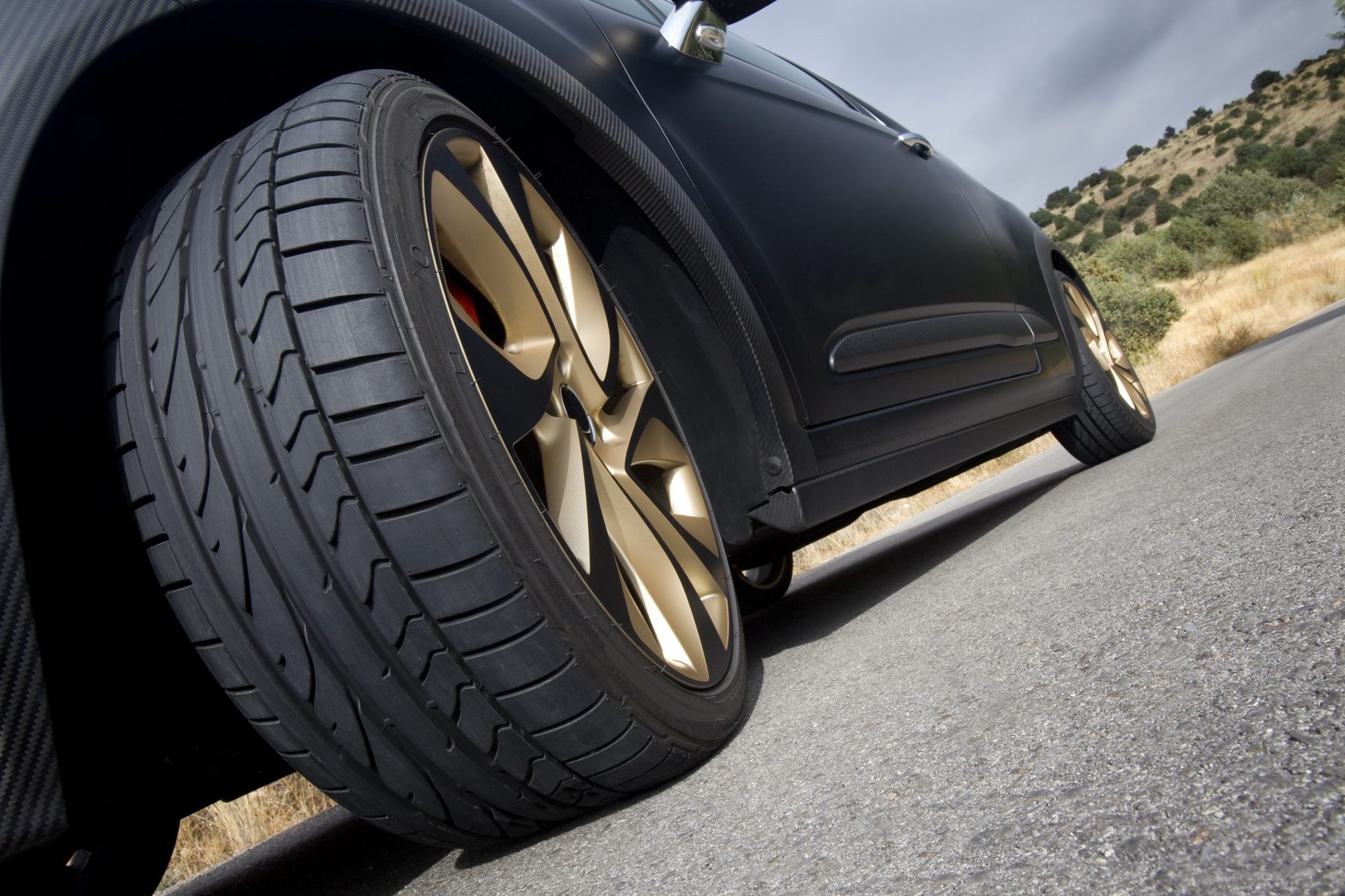
How do you Know Which Tire Needs Air?
How do you know which one of your tires needs air? Have you ever wondered why your vehicle has a slight pull to the one side when driving on a straight road? It can be a few different things, but the most common reason can be that one of your tires is low on pressure. Your tires are one of the most important aspects of your vehicle and you need to take care of them and treat them accordingly. We will touch on a few different aspects of how to spot and manage a tire with low tire pressure.
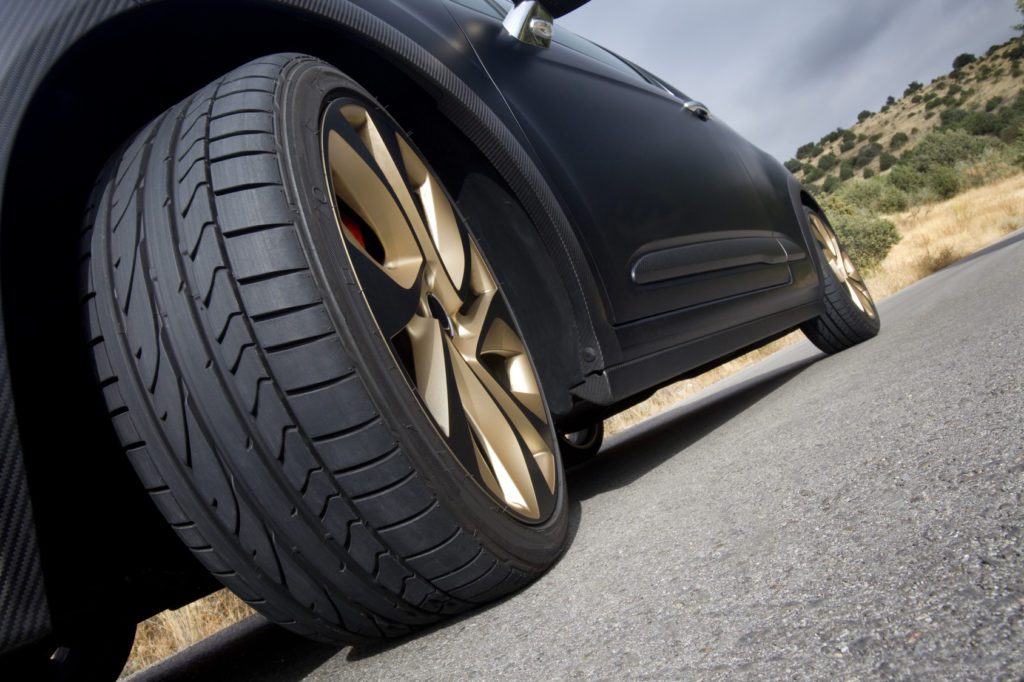
Quick Answer: Find The Low Tire With A Gauge, Not By Eye
The reliable way to tell which tire needs air is to check all four tires with a tire pressure gauge while the tires are cold. Compare each reading with the pressure on the driver’s door placard or owner’s manual, not the maximum pressure molded into the tire sidewall.
If one tire is several PSI lower than the others, inflate it to the vehicle placard pressure and recheck it over the next few days. A tire that keeps dropping may have a puncture, leaking valve stem, wheel corrosion, or bead leak and should be inspected before it strands you.
| TPMS light is on | At least one tire may be significantly underinflated, or the TPMS may need service. | Check every tire with a gauge, including the spare if your vehicle has one. |
|---|---|---|
| One gauge reading is low | That tire needs air, and it may have a slow leak if the drop returns. | Inflate to placard pressure, then recheck cold pressure soon. |
| Vehicle pulls to one side | Low pressure is possible, but alignment, brakes, tires, or suspension can also cause pulling. | Check pressure first; get the vehicle inspected if pressure is correct. |
| Cold weather just arrived | Tire pressure commonly drops as outside temperature falls. | Check cold pressure after temperature swings and at least monthly. |
4 rows
Scroll horizontally to view all columns.
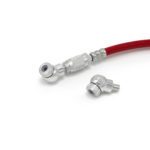
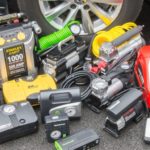
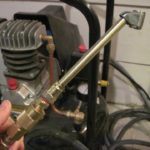
Related GarageSanctum guides: compare tire pressure gauges, see portable tire air compressors, review how to inflate a tire with an air compressor, or check tire inflator attachments.
Tire Pressure Safety Notes
- NHTSA recommends checking tire pressure at least once a month when tires are cold, meaning the car has not been driven for at least three hours.
- The correct pressure is listed on the vehicle placard or in the owner’s manual. The sidewall pressure is a maximum tire rating, not the normal target for your vehicle.
- FuelEconomy.gov notes that underinflated tires can reduce gas mileage and that properly inflated tires are safer and last longer.
Sources: NHTSA tire safety month, NHTSA summer safety road tips, and FuelEconomy.gov vehicle maintenance.
Signs your tires need air
Low-pressure reading
It is important to check your tire pressures often. You can use a tire pressure gauge to ensure that the tire pressures match the vehicle manufacturer’s recommended cold pressure. If you drive a newer car model it might also indicate that you have low tire pressure, by showing a warning light on the dashboard.
Flat
A visibly flat tire needs attention immediately, but many underinflated tires do not look flat by eye. You should have a quick tire inspection each time you are about to drive to ensure that you do not have a flat tire. Other indications of a flat tire might be that you hear odd sounds that are coming from under the car or you may struggle to reach certain speeds.
Poor Fuel Efficiency
If your tires are losing large amounts of air, you will need to fill up on gas more often, until you can re-establish proper pressure levels in your tires. FuelEconomy.gov estimates that underinflated tires can lower gas mileage by about 0.2% for every 1 PSI drop in the average pressure of all tires.
Cooler Weather
When encountering a sudden drop in temperature your tires will also experience a drop in tire pressure. You should check your tire pressure when the temperature starts to decline. It might be a minimal drop in pressure but topping up your tires with air can lead to improved handling when you encounter roads with snow or ice.
Tire pressure guide
You might be wondering what is the correct tire pressure for your car? Usually, somewhere on your tire, normally below the bold letters of the manufacturer, you might see something like ‘Max. Press. 35 PSI.’ this indicates the maximum cold pressure that is needed to carry the maximum load of your car. Cold pressure refers to the pressure needed when your tires are cold, like early morning or when your vehicle has been standing in the shade for a while.
Maximum tire pressure is not always the best. It does allow the optimal handling of the vehicle, but it can cause a decrease in tire life. The rubber rounds at the top when driving and this causes the center to wear out much faster.
Many passenger vehicles are in the 30 to 35 PSI range, but the correct number is vehicle-specific. This can be found on a sticker on the door jamb or even in your owner manual. Certain models place this detail on the fuel door or the trunk lid.
A good rule of thumb for when to check your tire pressure is every time you fill your car up with gas. It is also important to check your tires with every drop-in temperature or at least every 30 days. This should ensure that you keep your vehicle’s tire pressure at optimal levels throughout the whole year.
How to inflate car tires at home
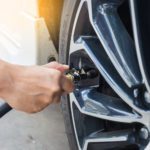
It does sometimes happen that you need to inflate your tires at home or even sometimes next to the road, so what do you do? The best way to inflate your tires at home is to use a portable air compressor pump. This is a useful device that ensures you can keep your tires at the right pressure when you are far away from a gas station. There are a few different steps that you need to follow to ensure you get the needed pressure in your tires.
- Make sure you know the recommended tire pressure for your specific tires. This is most commonly found on the vehicle placard or in the owner’s manual; some newer vehicles also show tire pressure in the driver display. Make sure you understand the recommended PSI (pounds per square inch) for each tire.
- Remove the valve stem caps from each tire and put them where you can easily find them again.
- Start your vehicle and put the power cord in the 12V power receptacle or “cigarette lighter”. The power cord should be long enough to allow you to reach all four tires.
- Put the inflation nozzle down over the valve stem and push lever down to lock it in position.
- Turn the compressor on and allow it to inflate the tire to the recommended PSI. Keep an eye on the pressure gauge to ensure the correct PSI is achieved.
- If the desired PSI is achieved, turn off the compressor and remove the inflation nozzle. Once removed, put back the valve stem cap that you removed in step two.
- Repeat this process on all the tires that need to be inflated.
Keep a close eye on the pressure gauge so you do not overinflate the tire. Some compressors allow you to program it to shut down once the desired PSI has been reached.
Final Thoughts
Your tires are one of the most important components of your vehicle and that is why it is so important to take good care of them. Ensuring that your tires are at optimal levels allows your vehicle to operate at peak fuel efficiency and also improves the safety of your vehicle on the open road. Read more about air compressors.