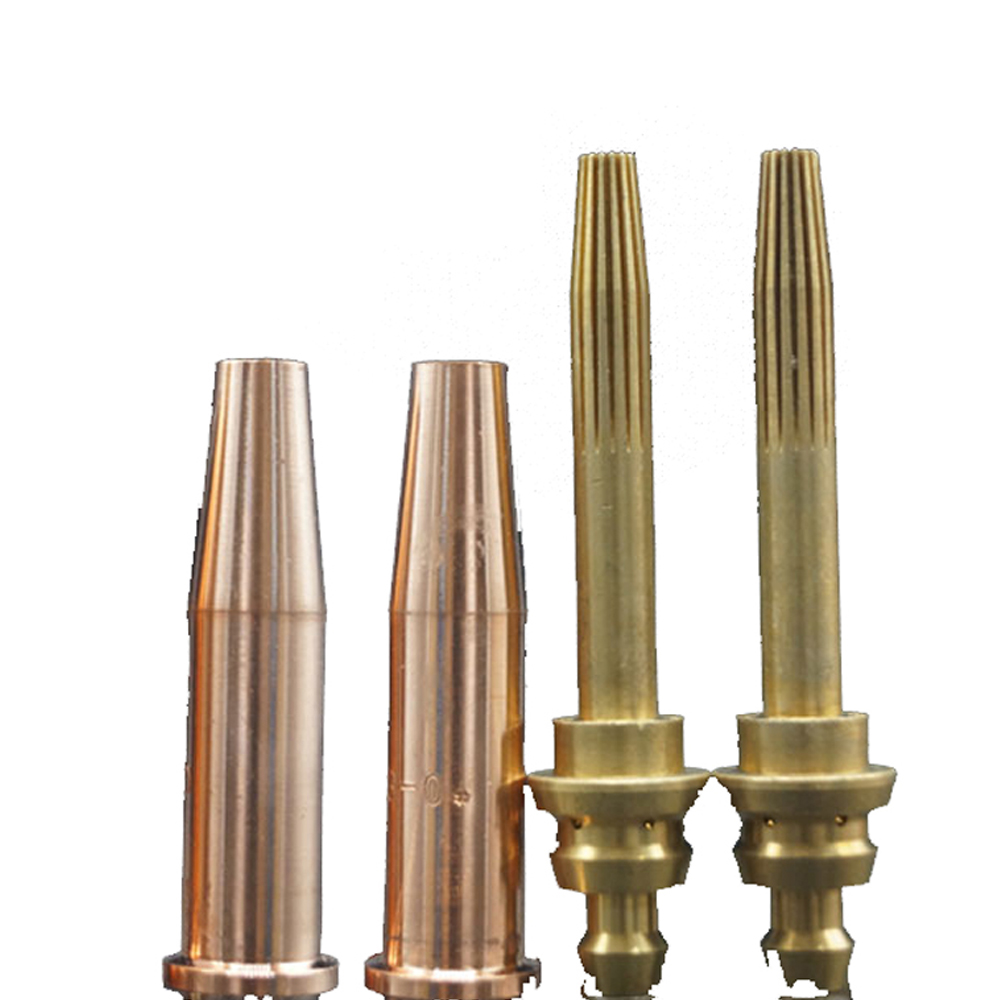
Cutting Torch Tip Size Chart
Safety note: oxy-fuel cutting involves fire, hot metal, compressed gas, and flashback risk. Use manufacturer instructions for your torch, regulators, check valves, flashback arrestors, tip series, and fuel gas. This chart is a planning reference, not a substitute for the tip maker’s chart.
Oxy-Acetylene Cutting Tip Size Chart
| Steel thickness | Common tip size | Cutting oxygen | Acetylene pressure | Drill/orifice note |
|---|---|---|---|---|
| Light gauge to 3/16 in | 000 | 15-25 psi | 5-15 psi | #68 range |
| 3/16 to 3/8 in | 00 | 20-25 psi | 5-15 psi | #64 range |
| 3/8 to 5/8 in | 0 | 30-40 psi | 5-15 psi | #60 range |
| 5/8 to 1 in | 1 | 35-40 psi | 5-15 psi | #56 range |
| 1 to 2 in | 2 | 40-45 psi | 5-15 psi | #52 range |
| 2 to 3 in | 3 | 45-50 psi | 5-15 psi | #48 range |
| 3 to 6 in | 4 | 50-75 psi | 10-15 psi | #42 range |
| 6 to 8 in | 5 | 65-80 psi | 10-15 psi | #35 range |
| 8 to 12 in | 6 | 70-90 psi | 10-15 psi | #30 range |
Before Selecting A Cutting Tip
- Match the tip series to the torch and fuel gas.
- Choose the tip from the metal thickness and the manufacturer’s cut chart.
- Check acetylene withdrawal limits for the cylinder size.
- Clean the tip with the correct tip cleaner, not random wire or drill bits.
- Use proper PPE and keep combustibles away from the cutting area.
Source Notes
Tip-size ranges were checked against oxy-fuel cut chart references including Harris Products guidance on using cutting tip charts, American Torch Tip Victor-style cut charts, and Harris-style oxy-acetylene chart references. Use the chart supplied for your exact tip brand and series.