Quick answer: The best garage lighting setup usually combines broad overhead LED shop lights with targeted task lighting over the bench, motion lighting near entries, and optional accent or under-shelf lights where shadows make work harder. Start by planning lumens for the whole garage, then add focused light where you actually work.
Before You Shop: Plan The Light Layers
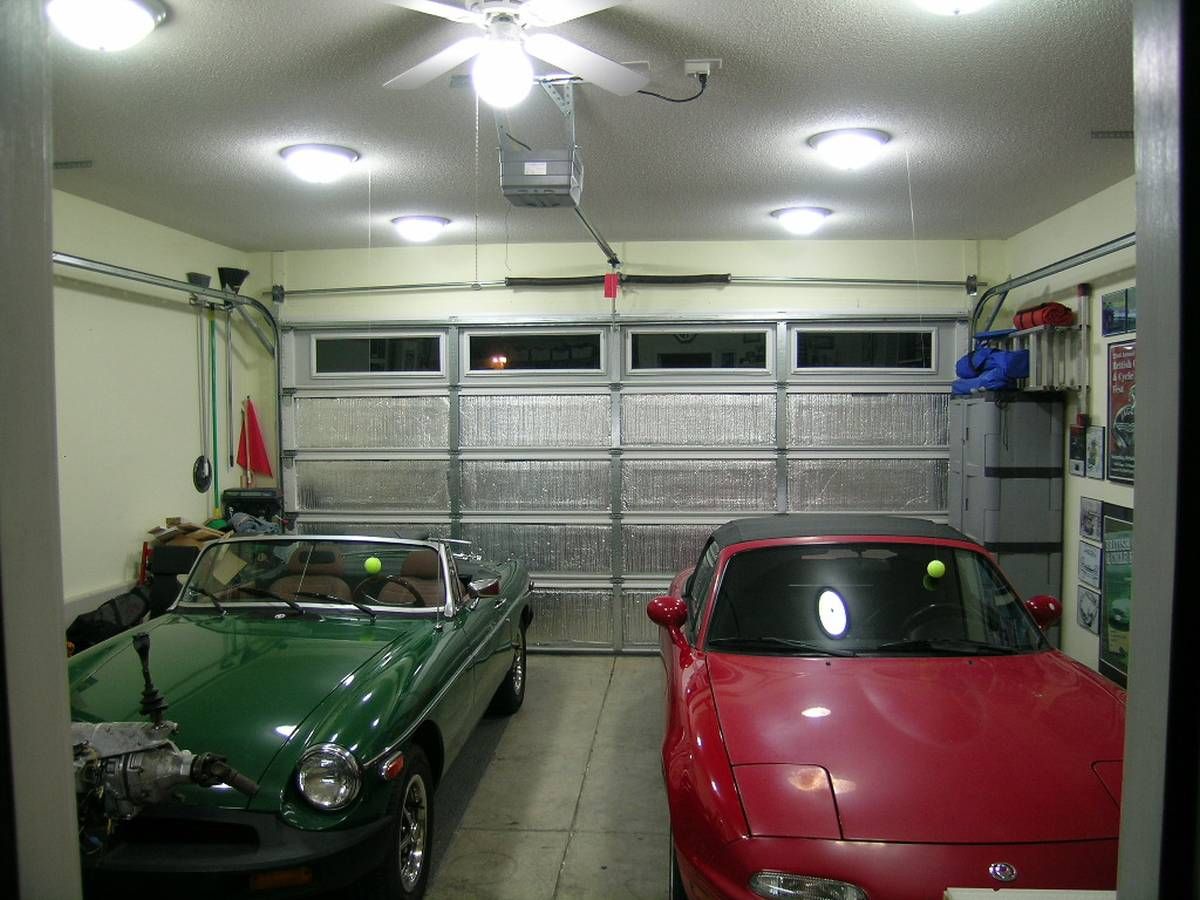
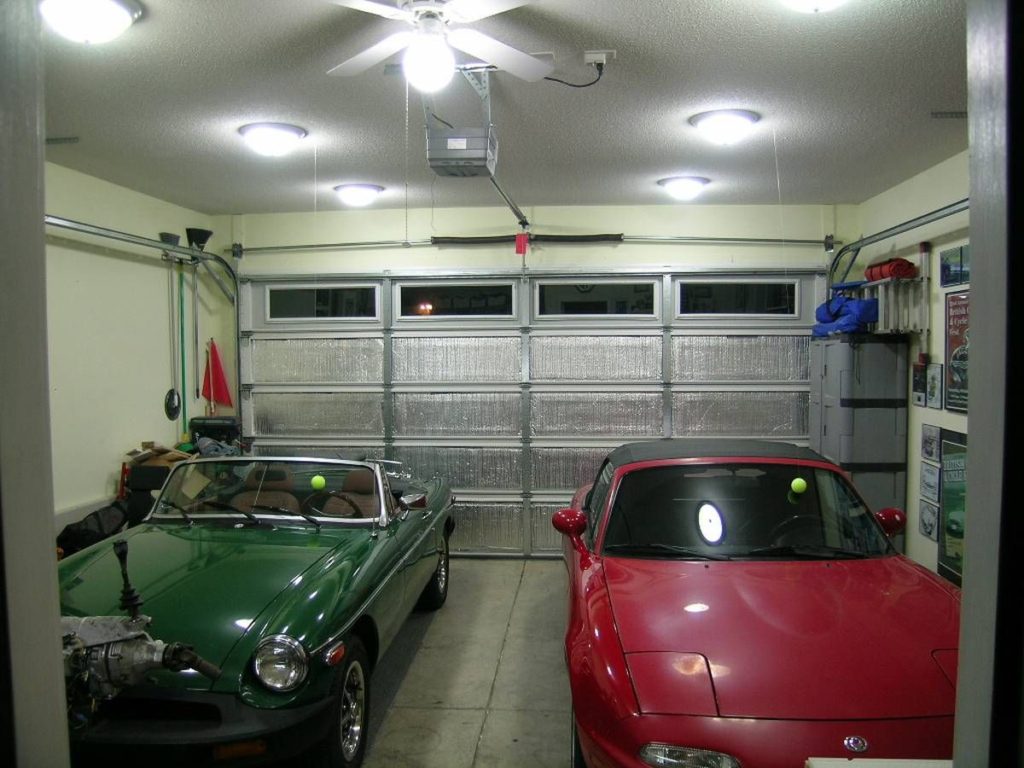
A garage needs more than one bright fixture in the middle of the ceiling. Cars, open garage doors, shelves, cabinets, and your own body create shadows. A better plan uses layers: general lighting for moving around, task lighting for work areas, and convenience lighting for entries, storage, and dark corners.
| Garage area | Lighting goal | Good option |
|---|---|---|
| Parking bays | Even light without dark corners | Linkable LED shop lights or flat ceiling fixtures |
| Workbench | Bright, low-shadow task light | Under-cabinet bar, articulating task light, or dedicated shop light |
| Tool wall / shelves | Find parts without blocking your own light | LED strip channels or slim task bars |
| Garage entry | Hands-free light when entering | Motion-sensor ceiling or wall light |
| Exterior apron | Safe arrival and security visibility | Outdoor-rated motion floodlight |
1. Linkable LED Shop Lights For The Main Ceiling
For most garages, 4-foot linkable LED shop lights are the easiest upgrade. Spread several moderate-output fixtures across the ceiling instead of relying on one extremely bright light. That gives better uniformity, fewer harsh shadows, and easier replacement later.
Use several fixtures for even coverage; check plug-in vs hardwired installation before buying.
2. Screw-In Garage Lights For A Fast Socket Upgrade
If your garage only has one or two bare bulb sockets, a screw-in LED garage light can be a fast improvement. The adjustable-panel style is convenient, but avoid turning it into the whole lighting plan for a large garage. It is best as a quick socket upgrade or secondary light.
Confirm the base type, fixture clearance, and whether the product is rated for the garage temperature range.
3. Dedicated Workbench Task Lighting
Workbench lighting should be aimed at the work surface, not your eyes. A slim LED bar under a cabinet, a bench-mounted task lamp, or a dedicated shop light over the bench can make measuring, sanding, wiring, detailing, and tool work much easier.
Mount task lights so your hands and tools do not cast a shadow over the work area.
4. Motion-Sensor Lights For Entry And Storage Zones
Motion lighting is useful near the house door, side door, stairs, trash/recycling area, and storage shelves. It is not a replacement for good overhead lighting, but it keeps you from walking into a dark garage with full hands.
For hardwired fixtures, confirm whether the sensor, switch, and existing wiring are compatible.
5. Outdoor Motion Floodlights Around The Garage Door
Garage lighting is not only inside. A good outdoor-rated motion floodlight near the driveway, side path, or service door improves visibility when arriving at night. Choose a wet-location rated fixture and aim it so it lights the approach without blinding neighbors or drivers.
Use outdoor-rated fixtures and follow local electrical requirements for exterior wiring.

6. LED Strip Channels For Shelves, Cabinets, And Detail Zones
LED strips are useful under shelves, inside cabinets, around tool walls, and over small detail zones. Put strips in aluminum channel when possible; it protects the strip, diffuses dots, and helps with heat. For long runs, plan voltage drop and power injection instead of splicing randomly.
For longer runs, match strip voltage, power supply size, connector type, and wire gauge.
How Many Lumens Do You Need?
Retail lighting guides commonly suggest planning by square footage rather than watts. For a garage, use lower output for simple parking/storage and add much more focused light at the bench. The table below is a practical planning range, not a code requirement.
| Garage use | Planning target | Example for 400 sq ft |
|---|---|---|
| Basic parking/storage | About 40-60 lumens per sq ft | 16,000-24,000 total lumens |
| General DIY garage | About 60-90 lumens per sq ft | 24,000-36,000 total lumens |
| Bench/detail work zone | Add local task lighting | Dedicated light over the bench, not just brighter ceiling lights |
| High ceiling or dark walls | Use more fixtures and better spacing | Aim for uniformity, not just maximum lumens |
Color Temperature And CRI
For most garages, 4000K to 5000K is a comfortable working range. Very cool 6500K lights can feel harsh, especially with shiny tools, white cabinets, or reflective cars. If you do paint, detailing, finishing, or color matching, look for better color rendering instead of only chasing maximum brightness.
| Spec | What to choose | Why it matters |
|---|---|---|
| Lumens | Plan by square footage and task zones | Brightness is measured in lumens, not old bulb watts |
| Color temperature | 4000K-5000K for most garage work | Bright without feeling overly blue in many spaces |
| CRI | 80+ minimum, higher for paint/detail work | Improves color accuracy |
| Installation | Plug-in, hardwired, socket, or low-voltage | Controls whether you can DIY or need electrical work |
| Location rating | Dry, damp, or wet as needed | Matters for exterior, wash bay, and humid garage areas |
Related GarageSanctum Guides
- LED wattage explained
- How LED lights work
- LED fixture lifespan
- LED strip splicing
- LED light colors explained
Source Notes
- U.S. Department of Energy LED lighting guide summarizes LED efficiency, heat behavior, and long-life advantages.
- ENERGY STAR LED lighting guide explains lumens, heat sinks, LED lifespan, and lighting quality basics.
- Lowe’s garage lighting guide recommends planning garage lighting by lumens per square foot and separating ambient from task lighting.
- Home Depot garage workshop lighting guide discusses clamp lights, task lights, under-cabinet lights, and LED color-temperature options for garages.
Last update on 2023-12-05 / Affiliate links / Images from Amazon Product Advertising API