Wiring a Fluorescent Light Fixture for LED: A StepbyStep Guide
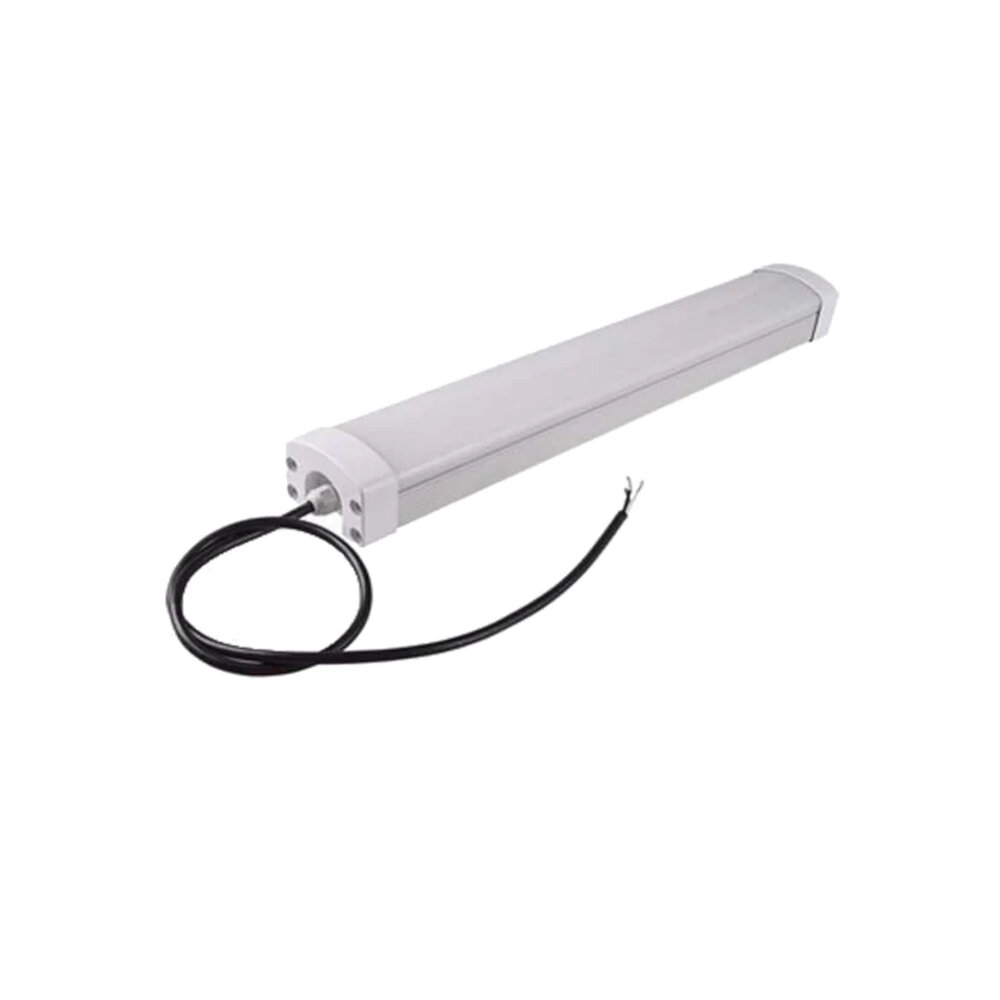
Quick answer: Before wiring a fluorescent fixture for LED tubes, identify the LED tube type. Type A tubes usually keep the existing ballast. Type B tubes bypass the ballast and put line voltage at the lampholders. Type C tubes use an external LED driver. Do not follow a generic wiring diagram: follow the exact instructions … Read more

Why LED Outdoor Lights Flash And How To Fix Them

Quick answer: Outdoor LED lights usually flash because of a photocell seeing its own light, a motion sensor retriggering, moisture in the fixture, an incompatible dimmer/timer, a failing driver, or unstable wiring. Start with pattern diagnosis: dusk-only, rain-only, motion-only, warm-up-only, or random flashing. Outdoor Flashing Pattern Guide Pattern Likely cause Safe check Flashes at dusk … Read more

Why LED Lights Flicker: Common Causes and Safe Fixes

Quick answer: LED lights usually flicker because the LED driver is not getting steady compatible power. The most common causes are non-dimmable bulbs on dimmers, old incandescent dimmers, loose bulb or socket contacts, overloaded or low-quality LED drivers, incompatible transformers, voltage drop, and wiring or service problems. Start with the bulb and dimmer, but treat … Read more

Upgrade Your Lighting: How to Easily Convert High Pressure Sodium Lights to LED

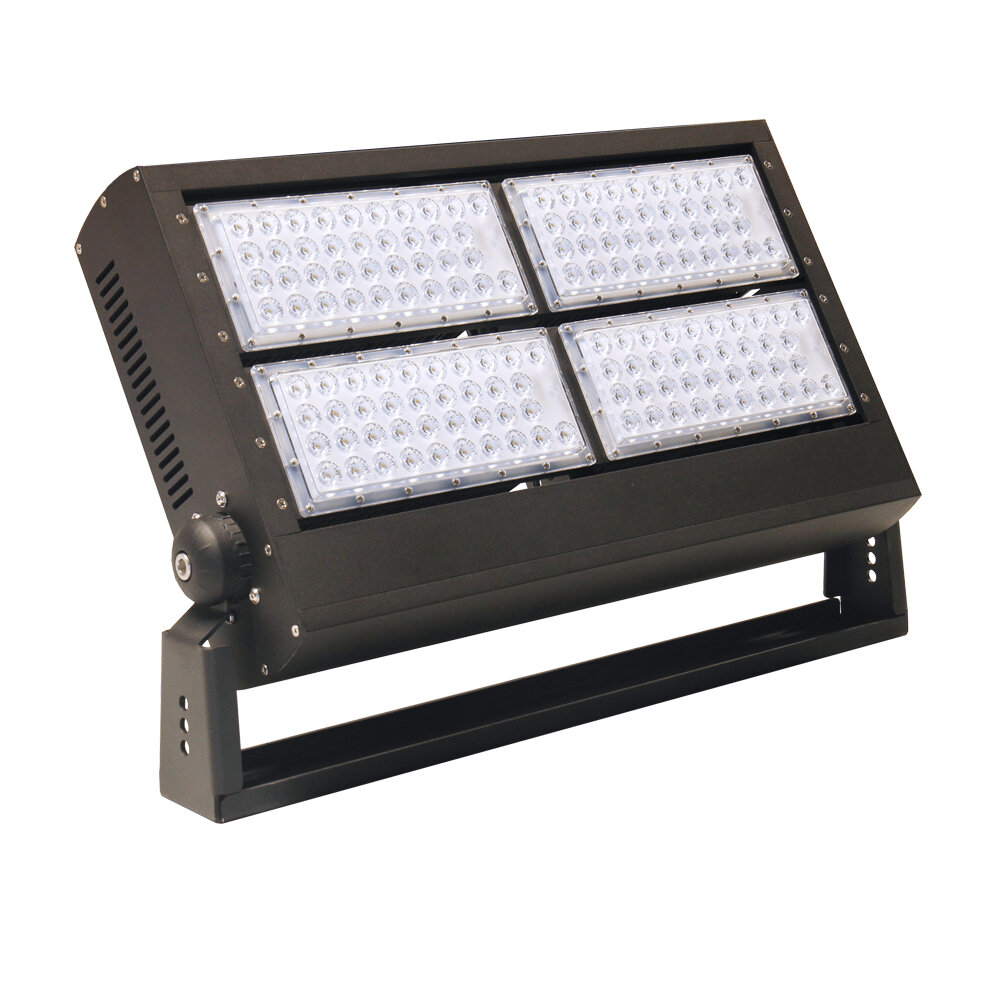
Quick answer: Converting a high pressure sodium light to LED is not always a simple bulb swap. HPS fixtures use a ballast and usually an ignitor and capacitor. Some LED HID retrofit lamps are designed to run on a compatible existing ballast, but many better conversions are ballast-bypass/direct-wire jobs or full fixture replacements. If you … Read more

Why LED Lights Flash When Turned Off

Quick answer: LEDs can flash when turned off because tiny leakage current from a smart switch, dimmer, locator light, timer, occupancy sensor, or long cable run charges the LED driver until it blinks. Sometimes it is harmless ghosting; sometimes it points to incompatible controls or wiring that needs attention. Cause And Fix Matrix Cause What … Read more

How Many Amps Does a LED Light Bar Use? A Comprehensive Guide

Quick answer: To estimate LED light bar amp draw, divide watts by system voltage: amps = watts / volts. A 120-watt light bar on a 12-volt vehicle is about 10 amps before wiring losses and real-world voltage changes. Use measured input watts or the manufacturer’s current rating when available, because advertised LED wattage is sometimes … Read more

How LED Lights Work: A Beginner-Friendly Guide

Quick answer: An LED, or light-emitting diode, makes light when electrical current moves through a semiconductor chip. The chip releases energy as photons, a driver controls the current, phosphor or chip material shapes the color, and a heat sink pulls heat away so the LED can stay bright for years. The Simple Version: What Happens … Read more

How to Fix LED Light Radio Interference

Quick answer: LED lights can cause radio interference when the LED driver, dimmer, transformer, or vehicle light module sends unwanted radio-frequency noise into the air or back onto the wiring. First prove the light is the source by switching it off and on while listening to the radio. Then fix the source: replace noisy bulbs … Read more

How to Test an LED Tube Light With a Multimeter

Quick answer: A multimeter can help diagnose an LED tube light, but it cannot fully prove that every LED tube is good. Use it first for safe checks: confirm power is off before opening the fixture, verify supply voltage only if you are trained to work around live circuits, check continuity through lampholders and wiring … Read more