Why you should replace garage door opener made before 1993
A house is related to safety and peace. However, there are a lot of things you can do in order to get the safety you deserve. Some hazards are obvious, while others are easy to overlook until a safety feature fails. Garage door openers need to be safe and reliable as well. Many garage doors are heavy enough to cause serious injury if the door or opener system fails. Now, add the power of garage door opener and the moving capability and you can have a serious threat. In reality, moving the garage door is the next heaviest thing after your car.
In the United States, garage doors and garage door openers were related to injuries or even worse since the day they were invented. It was rare but possible for a garage door to hit a child or a pet. This was a major issue and the government decided to put an end to this threat. This guide explains why the 1993 date matters and what to check before relying on an older opener.
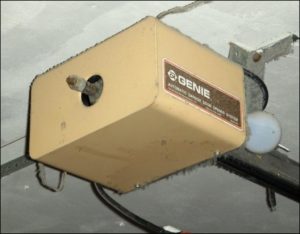
Quick Answer: Replace or Professionally Inspect Pre-1993 Openers
If your automatic residential garage door opener was manufactured before January 1, 1993, treat it as a replacement candidate unless a qualified garage-door professional confirms that the operator and door system have current, working entrapment protection. Modern openers are not only about convenience; the key issue is whether the door reverses properly and has a working external entrapment-protection device such as photo eyes.
| What to check | Why it matters | Safer next step |
|---|---|---|
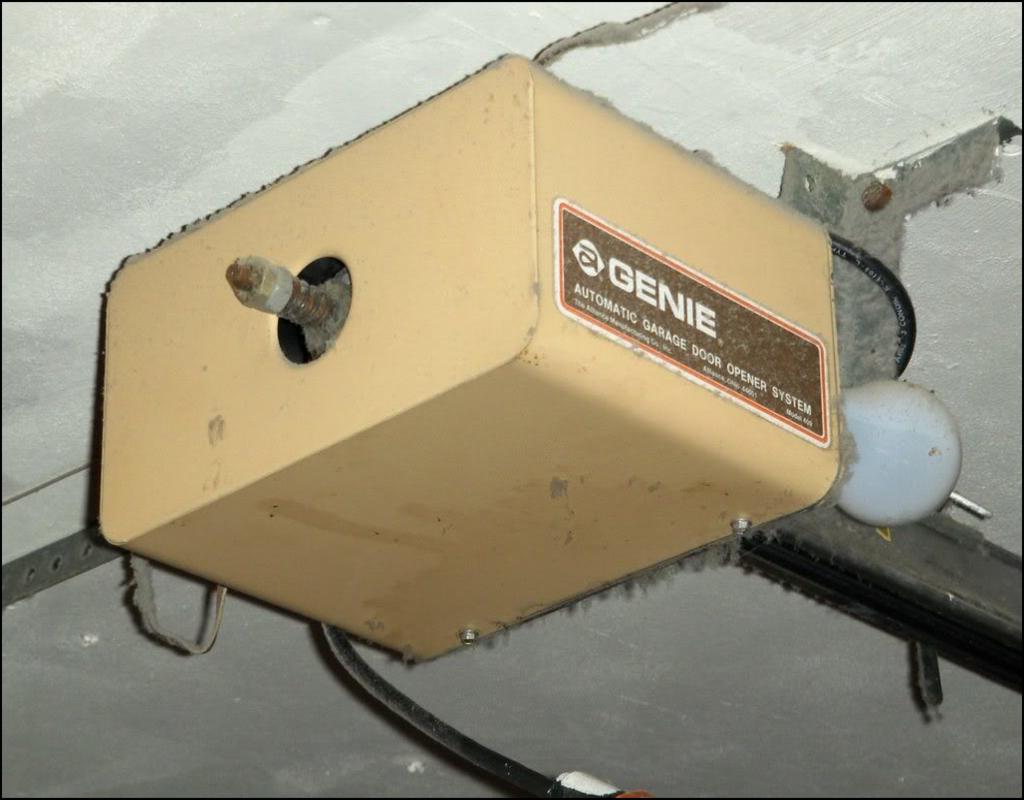
| Manufacture date | Federal requirements changed for openers manufactured on or after January 1, 1993. | Look for the label on the opener housing, then verify the manual or model number. |
| Photo eyes or equivalent external protection | Modern residential operators need external entrapment protection in addition to inherent reversal. | If sensors are missing, bypassed, damaged, or misaligned, stop using automatic close and call a pro. |
| Force reversal | The opener should reverse when it contacts an obstruction during closing. | Follow the current manual test procedure; do not use a person, pet, or fragile object as the test item. |
| Door balance and hardware | A safe opener cannot compensate for broken springs, damaged tracks, or a heavy unbalanced door. | Have the door system serviced before installing or relying on a new opener. |
Related GarageSanctum guides: compare the best garage door openers, browse garage door opener guides, or review remote compatibility basics.
Importance of the year 1993
The first thing here to remember is that garage door openers were not controlled nor tested by the government. This changed in 1990 with the Public Law 101-608 which was a part of the Consumer Product Safety Improvement Act of 1990. The rule affected automatic residential garage door openers manufactured on or after January 1, 1993, adding specific entrapment-protection requirements.
Openers had to include added entrapment protection, commonly photo eyes, edge sensors, or an equivalent device. Basically, the system will use an infrared beam to detect is there any obstacle. If there is, the garage door will stop closing process and re-open. The same applies to the force measurement. If a garage door opener detects an unusual amount of force needed to close the door, it will open them instead.
This law also is known as UL 325 (third revision) made garage door openers so much safer. Today we use the same law but with 6th revision. After 1993 garage door openers became much safer. The requirement reduced an important hazard, but it does not mean every post-1993 opener or door system is automatically safe. An interesting fact is that the similar law applied to locking fridges. A child was able to enter and lock himself inside, accidentally. He would suffocate. Removing the locking mechanism from all fridges eliminate this risk.
The law covers all new garage door openers and it is extremely important. Sadly, the units made before 1993 are still available and still used. If you have a system of this kind, made before the aforementioned act you need to replace it as soon as possible. It may not meet current entrapment-protection expectations and should be replaced or professionally evaluated.
Test your garage door opener system
The first thing you need to do, if you have an old unit is to test it properly. This is a relatively simple task and now we will guide you through the entire process.
The first part of the test is to check the infrared beam. Follow the opener manual’s reversal-test procedure with an appropriate test object under the door. The system should detect an obstacle and it should stop closing the door and open them instead. If not, it will crush the box. This is an unsafe system and you need to replace the entire system as soon as possible!
The second test is used to check will the garage door opener detect the use of more force than usual and open the door. Place a wooden beam on the floor and close the garage door. It should come to the wood and as soon as it detects unusual force use it should open the door. If not, you can imagine what will happen.
Passing a basic reversal test is useful, but age, missing sensors, damaged hardware, and poor door balance can still justify repair or replacement. If it fails, you will need to replace it. If the system doesn’t have the aforementioned features, you should replace it as well.
Modern garage door openers are better than ever before
A modern replacement can add current safety features and convenience. It will allow you to control it using a smartphone, to get notifications and it will be much quieter and far more reliable. Some homeowners install openers themselves, but spring, track, sensor, and door-balance issues should be handled by a qualified professional.
New garage door openers are also more powerful so they can be used for garage doors that are extremely heavy. Security is better than on many older fixed-code systems, but no opener is immune to every attack; use rolling-code remotes, secure the emergency release, and keep remotes protected.
The final word
The main takeaway: if your opener was made before 1993, replacement or professional inspection should be a priority. If it is made after but it is still an old system, test it and see are all the features working properly. If safety features are affected, make sure to move to the buyer’s guide section and find a new garage door opener which will be so much safer, more reliable and come with advanced features.
See our Best Garage Door Opener Reviews and choose a modern garage door opener to replace your old one.
Source Notes
- CPSC final rule notice explains the 1993 additional entrapment-protection requirements for automatic residential garage door openers.
- 16 CFR Part 1211 is the current federal safety standard for automatic residential garage door operators.
- UL Standards and Engagement summarizes why photo eyes, edge sensors, or equivalent devices became mandatory in 1993.