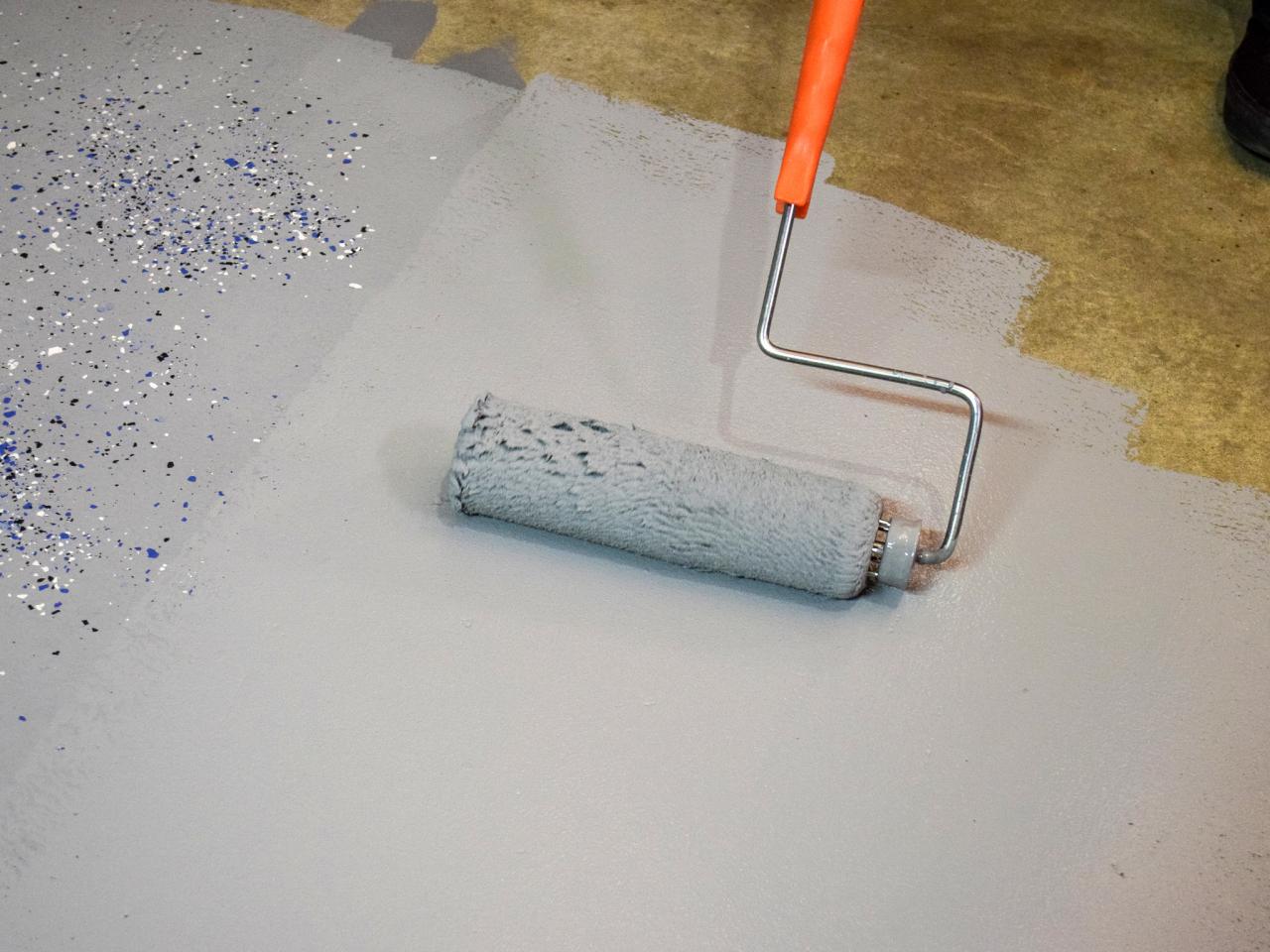
DIY Garage Floor Coating – What You Need To Know
DIY garage floor coating can be a worthwhile weekend project when the slab is a good candidate. If you require a space for weekend projects or a home garage for entertainment purposes, it doesn’t have to be boring! A DIY epoxy or polycuramine kit can improve a garage floor without the cost of a full professional system, but only if prep, moisture, cure time, and slip resistance are handled correctly. Use this guide to decide whether the project is realistic, what to check before coating, and when a professional floor system is the safer call.
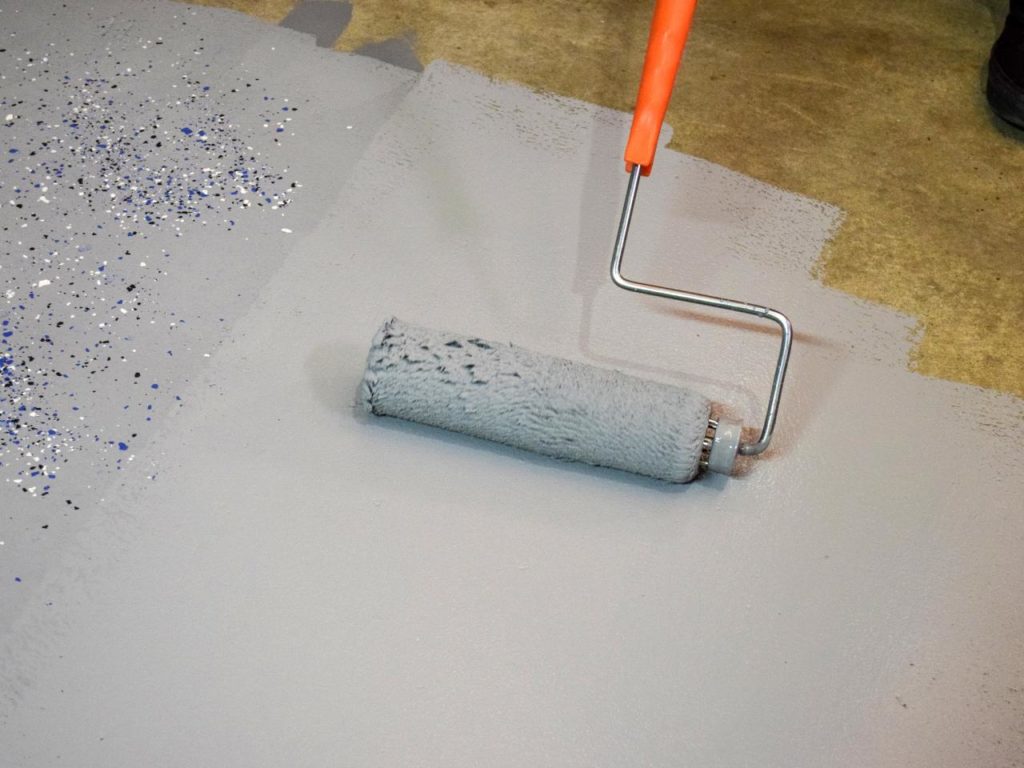
Quick Answer: DIY Garage Floor Coating Is Mostly Prep Work
A DIY garage floor coating can be worth doing when the concrete is sound, clean, dry, and properly profiled. The common failure point is not brushing on the coating; it is coating over moisture, oil, dust, weak concrete, old sealer, or a slab that was not etched or mechanically profiled enough for the product.
| Decision | DIY-friendly path | When to slow down |
|---|---|---|
| Concrete condition | Hairline cracks, clean slab, no active moisture. | Spalling, large cracks, soft concrete, or vapor/moisture signs. |
| Prep method | Cleaner/degreaser plus etch when the product allows it. | Old coatings, sealed concrete, or heavy oil usually need grinding or professional prep. |
| Product type | Water-based epoxy or DIY polycuramine kits for light-to-normal garage use. | Heavy shop use, hot-tire pickup history, or moisture problems may need a professional system. |
| Safety | Add anti-slip media where wet floors are likely. | Do not leave a glossy garage floor slick; walking surfaces must be kept reasonably safe. |
Related GarageSanctum guides: compare garage floor coatings, review garage floor epoxy, see how to coat a garage floor, or browse the garage flooring hub.
Prep Notes Used For This Refresh
- Rust-Oleum’s RockSolid garage-floor kit data sheet says new concrete should cure before coating and calls for concrete etching, thorough rinsing, and complete drying before application.
- Sherwin-Williams flooring preparation guidance treats concrete moisture vapor and surface preparation as application-critical, not optional cosmetic steps.
- OSHA walking-working-surface rules require floors to be kept clean, orderly, sanitary, and free from hazards such as slippery conditions; add slip resistance when the product and use case call for it.
Frequently Asked Questions About DIY garage floor coating
How much does it cost to seal a garage floor?
Here is the first question that pops up on the mind when it comes to garage flooring. Sealing a garage floor varies according to the type of material being used. Either you want to seal the floor or you want to give it a more decorative look, an epoxy or polycuramine garage floor coating can be a good option. It protects the floor against the wear and tear that comes with heavy foot traffic. DIY kits often cost less than a professional installation, but total cost depends on square footage, crack repair, degreaser, etching or grinding, primer, topcoat, flakes, anti-slip media, tools, and whether you need moisture mitigation.
Should you epoxy your garage floor?
Well, the answer is it depends on your budget. If you are seeking to save some bucks while putting your DIY skills to test, you can get it done yourself. However, with the thorough preparation that is essential for the epoxy garage floor coating, you might consider hiring a professional.
Read also 10 Best Garage Floor Coating Review you can DIY Quickly
How do you prepare an epoxy garage floor?
DIY garage floor coating entails much more than taking a brush and painting. Adequate preparation and correct application is the key to a standard good looking surface. Firstly, inspect the garage floor to see if it will accept the floor coating. In case you want to use an epoxy coating, clean and abrade the concrete if it is sealed or painted. This is to ensure a long-lasting floor and eliminate peeling. Also, check for any visible moisture and etching or grinding can help create the surface profile, but it does not prove the concrete is dry; check moisture separately before coating.
Once the floor has been prepared, it is time to apply the primer. However, it is important to check the directions for use on the bottle before mixing. With rollers, a paintbrush and a splash can, you can get started. Most garage floor epoxy kit contains a resin and a catalyst i.e hardener. Mix these and start the application. Follow the product’s recoat, walk-on, drive-on, pot-life, temperature, and humidity instructions before using the floor.
Read more at Best Garage Floor Epoxy – 2019 Buyers Guide
What is the best garage floor paint?
Knowing the best garage floor paint to use might be a challenge. That is why various brands and paint companies have come up with formulas for a clean looking and safe floor. One-part epoxy acrylic paint is easier than a true two-part epoxy, but it is a different product category and should be judged by the use case, prep requirements, and hot-tire resistance. The durability as compared to epoxy covering with less cost is something to be desired especially if it is a DIY garage floor coating.
More interestingly, you don’t need a primer for Kilz 1-Part epoxy paint and two coats may be enough for some products, but always follow the coverage and recoat window on the label. This type is cheaper than most floor paint and it has an acrylic base which allows you to cover enough areas with small quantities. However, the drying time is extended and it can even take a week to completely dry.
How much does it cost to pour a 24×24 slab of concrete?
Concrete slab pricing changes by region, thickness, reinforcement, demolition, access, drainage, and finishing. Treat old flat-dollar estimates as rough historical examples rather than current quotes.
Should I seal my garage floor?
It is important to seal and maintain the garage floors for long-lasting durability.
Most garage floors are prone to cracking and moisture due to heavy foot traffic. Using and applying the right sealant helps in keeping and protecting your garage floors.
What type of flooring is best for a garage?
In choosing the right flooring that will stand the best of time but also add some style to your garage, using good flooring is important. There might be different options that range from interlocking tiles to carpeting. However, durable flooring that can withstand any weather is the key. Epoxy, polycuramine, polyaspartic, concrete sealer, floor paint, mats, and tiles can all work in different garages. For coatings, the slab must be clean, profiled, and dry enough for the product. Glossy coatings can be easy to clean, but use an anti-slip additive where wet tires, snow, or water are common.
How long do epoxy garage floors last?
DIY coating life depends on preparation, moisture, product chemistry, film thickness, traffic, hot tires, sunlight, road salt, and maintenance. A well-prepped floor usually outlasts a rushed coating over dirty or damp concrete.
Is epoxy worth the money?
Epoxy garage floor ensures your garage is glossy and clean looking. Apart from the fact that this garage flooring is cheap, it is also durable, safe, and stain-resistant. Moreover, with the various garage floor epoxy colors, add some sparkles to your garage. It can be worth the money when the slab is a good candidate and the expected durability matches the product.
Is epoxy flooring cheaper than tile?
A properly installed epoxy floor can be durable and stain resistant, but it is not magic; prep quality, moisture control, topcoat choice, and slip resistance still decide the result.
For tiles, they are available in different colors, however, it has a lot of disadvantages as compared to epoxy flooring. It can be easily broken if a heavy object is dropped on them, thus, tiles can crack, stain, or shift depending on the material and installation, while coatings can peel if the slab is not prepared correctly. For all your garage work, and the messiness that comes with it, tiles might require extra efforts.
Should I paint my garage floor?
Should I paint my garage floor or should I hire a pro? The answer is it depends! You might be contemplating between these two options, A professional installer can handle grinding, repairs, moisture concerns, and fast-curing systems. DIY can save money when the slab is simple and the coating instructions are followed carefully. Also, this is the opportunity to put your DIY garage floor coating skills to test and with the right preparation, you can get the right result.
Is Polycuramine better than epoxy?
Epoxy and polycuramine/polyurea-style kits each have tradeoffs. Polycuramine has a good review of being easy to install than epoxy especially if you planning a DIY garage floor coating. It is more oil-resistant and UV rays as the color don’t change when exposed to sunlight. The pitfall is that epoxy is thicker than polyurea. Do not assume any coating needs only etching; follow the specific product’s prep instructions and treat delamination as a risk when the surface is contaminated, damp, sealed, or under-profiled.
However, with regards to garage floor epoxy reviews, epoxy is praised for its durability and coverage. Also, if you are in need of a floor that can resist moisture while providing a strong surface, epoxy is better. It is also good for floors that have seen better days and need repainting. However, it requires more preparation to get a durable result. Also, it is likely to change to yellowish when exposed to UV rays.
Is it better to paint or stain concrete patio?
To beautify your concrete patio, homeowners claim both are perfect for making your patio pop. however, deciding on whether to paint or stain your concrete patio depends on what you want.
Concrete stain penetrates the pores of the surface, thus increasing the durability. therefore, you need not worry about your patio floor flaking or chipping in a long while. However, if it does, it can be rectified using a sealer.
For paint, it is the best DIY choice and is quite inexpensive. However, it is susceptible to peeling or flaking especially if the floor is not well-cleaned before application. Consider your needs and choose the one that best answers it.
Conclusion
Whether you decide to DIY or get a professional, it all depends on your budget and your needs. However, DIY garage floor coating is easier if you follow the steps. With the right preparation and application, you improve your chances of a durable garage floor.