Best Socket Sets for the Money
A good socket set should cover the fasteners you actually work on, fit into tight spaces, and survive years of garage use without rounding hardware or turning into a scattered pile of missing sockets. The best socket set for the money is not always the biggest kit. It is the set with the right drive sizes, useful metric and SAE coverage, a durable ratchet, readable markings, and a case that keeps everything organized.
If you are buying one set for a home garage, start with a mixed metric/SAE mechanic’s set that includes 1/4-inch, 3/8-inch, and 1/2-inch drive tools. If you already own basic hand tools, spend the upgrade money on better ratchets, deep sockets, impact-rated sockets, or a dedicated organizer instead of chasing a huge piece count full of filler bits.
Best Socket Set for the Money: Quick Answer
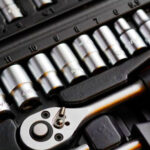
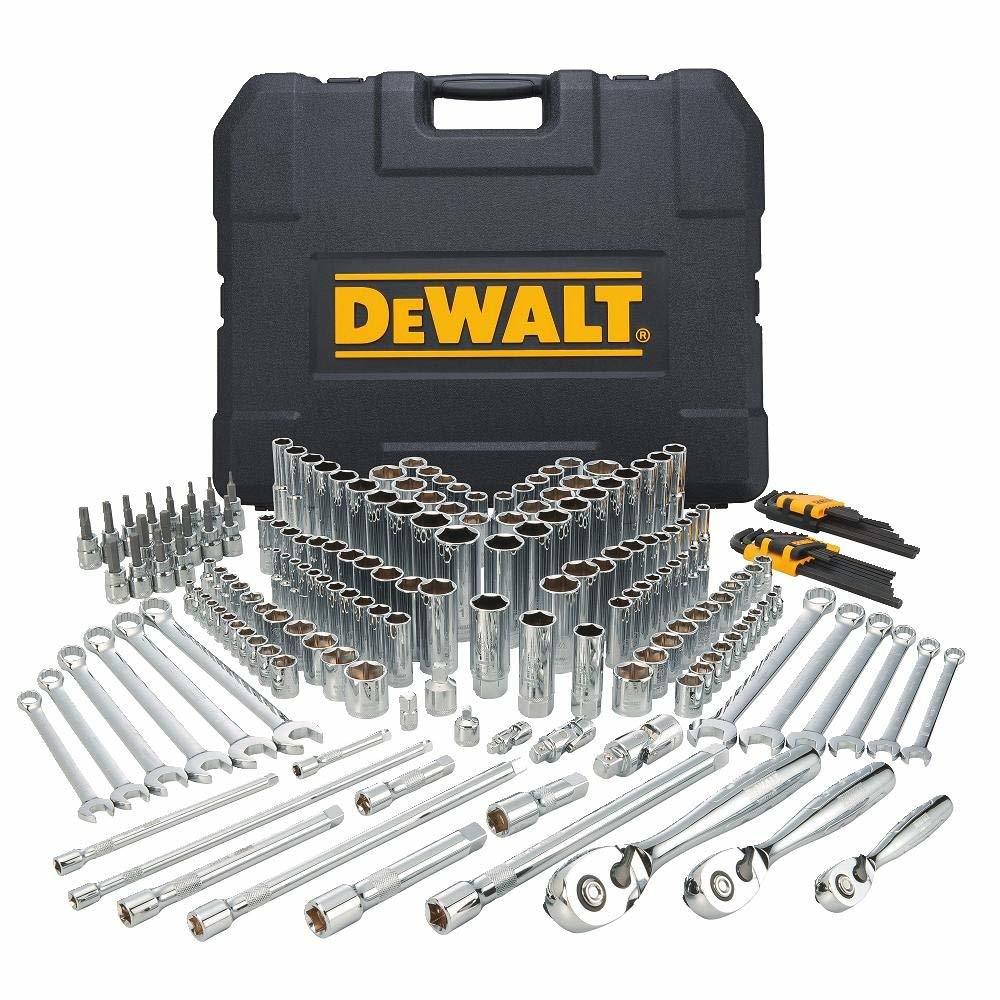
For most DIY mechanics, the best value is a 150- to 200-piece mechanic’s tool set with 1/4-inch, 3/8-inch, and 1/2-inch drive coverage, both metric and SAE sockets, at least one fine-tooth ratchet, and a case you will actually use. That gives you enough range for basic vehicle work, mower repair, garage equipment assembly, and household projects without paying for a professional roll-cab setup.
| Buyer type | Best socket-set style | What to prioritize | What to avoid |
|---|---|---|---|
| First home-garage set | Mixed mechanic’s tool set | Metric and SAE sockets, 1/4-inch and 3/8-inch ratchets, sturdy case | Huge counts padded with screwdriver bits you already own |
| Vehicle maintenance | Metric-heavy set with deep sockets | 10mm through 19mm coverage, extensions, spark-plug sockets if needed | SAE-only kits for modern vehicles |
| Suspension, wheels, and stubborn hardware | Impact socket set | Chrome molybdenum sockets, 1/2-inch drive, clear impact rating | Using chrome hand sockets on an impact wrench |
| Tight spaces | Fine-tooth ratchet set | 72-tooth or higher ratchets, wobble extensions, low-profile sockets | Bulky ratchets with a wide swing arc |
| Organized shop setup | Socket rails or trays plus selected sockets | Readable labels, easy missing-socket checks, drawer fit | Blow-molded cases that waste drawer space |
How to Choose a Socket Set
Start with the work you actually do. A homeowner assembling shelving does not need the same set as someone doing brake jobs and suspension work. A mechanic who already owns ratchets may be better served by a focused deep-socket or impact-socket kit than by another large general-purpose set.
| Feature | Why it matters | GarageSanctum recommendation |
|---|---|---|
| Drive size | Determines tool strength, access, and socket compatibility | Use 1/4-inch for small fasteners, 3/8-inch for most work, and 1/2-inch for higher torque jobs. |
| Metric vs SAE | Wrong measurement system can round fasteners | Buy both if this is your first set. Prioritize metric for most modern vehicles. |
| Socket depth | Deep sockets reach nuts on longer studs | Choose a set with both shallow and deep sockets when budget allows. |
| Ratchet tooth count | Higher tooth counts need less swing room | Fine-tooth ratchets are worth paying for if you work in engine bays or tight brackets. |
| Material | Chrome vanadium and chrome molybdenum are used for different tool demands | Use chrome hand sockets with hand ratchets; use impact-rated sockets with impact tools. |
| Case and markings | Lost sockets destroy the value of a big kit | Favor readable size markings and a case or tray that keeps sockets locked in place. |
Socket Set Size Guide
Piece count is easy to compare, but it can be misleading. A 200-piece kit may include many bits, hex keys, and accessories, while a smaller socket-focused kit may be more useful for actual wrenching. Check the included socket sizes before buying.
- 1/4-inch drive: best for small fasteners, trim pieces, electronics brackets, and light household work.
- 3/8-inch drive: the most useful all-around size for home-garage vehicle and equipment work.
- 1/2-inch drive: better for lug nuts, suspension fasteners, larger bolts, and higher torque jobs.
- Deep sockets: useful for studs, spark plugs, and recessed nuts.
- Extensions and adapters: often matter as much as the sockets when access is limited.
For exact sizing and order references, see our socket sizes in order guide and the lug nut socket size chart.
Impact Sockets vs Standard Sockets
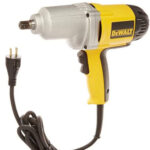
You can usually use impact sockets on a standard hand ratchet, but you should not use standard chrome sockets on an impact wrench. Standard sockets are not designed for impact tool shock loads and can crack or fail. If you plan to use an impact wrench, buy impact-rated sockets and match them to the drive size of the tool.
Impact sockets are commonly darker in finish and made for higher shock loads. Standard chrome sockets are still useful because they are often thinner, easier to clean, and better for hand-ratchet work in tighter spaces.
What Brands Are Worth Considering?
For value buyers, DeWalt, GearWrench, Tekton, Craftsman, Husky, Kobalt, and similar mainstream tool brands are common starting points. Professional users may step up to tool-truck or industrial brands, but the best value for a home garage usually comes from a well-reviewed midrange kit with an easy warranty process.
Brand matters, but socket coverage matters more. Before buying, compare the actual size list, ratchet tooth count, case design, warranty terms, and whether replacements are easy to find.
Common Buying Mistakes
- Buying the largest piece count without checking how many pieces are actual sockets.
- Choosing SAE only when most of your work is on metric vehicles or equipment.
- Ignoring deep sockets, extensions, and universal joints.
- Using non-impact sockets on an impact wrench.
- Buying a blow-molded case that will not fit where you store tools.
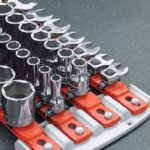
- Forgetting organization; pair a loose socket collection with a good socket organizer.
FAQ
Which drive size do I need first?
Choose 3/8-inch drive first if you only buy one ratchet size. It handles the widest range of common garage work. Add 1/4-inch for small fasteners and 1/2-inch for higher torque jobs.
Should I buy metric, SAE, or both?
Buy both for a first general-purpose set. Metric sockets are more important for most modern cars, motorcycles, bicycles, and imported equipment. SAE sockets are still useful for older American hardware, home projects, and some equipment.
Are 12-point sockets better than 6-point sockets?
Six-point sockets grip hex fasteners more securely and are usually the safer choice for stubborn bolts. Twelve-point sockets can be faster in some positions and are needed for certain 12-point fasteners, but they are not my first choice for rusty or high-torque work.
What should I buy after a socket set?
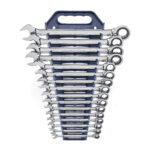
A torque wrench, socket organizer, extensions, breaker bar, and impact-rated socket set are common next upgrades. For torque work, see our digital torque wrench guide. For adjacent hand tools, compare our adjustable wrench and ratcheting wrench set guides.
Final Recommendation
If you are starting from scratch, buy a mixed metric/SAE mechanic’s socket set with 1/4-inch, 3/8-inch, and 1/2-inch drive tools, then add specialty sockets later. If you already own a basic kit, upgrade the weak point: better ratchets, deep sockets, impact sockets, or organization. The best socket set for the money is the one that covers your real fasteners without forcing you to replace half the kit later.