SUV Running Board Installation Cost: What Changes The Price?
Quick answer: The installed cost of SUV running boards is the price of the boards, vehicle-specific brackets, hardware, shipping and tax, plus shop labor and any drilling, wiring, removal, corrosion repair, or calibration. A simple fixed no-drill kit can require only a short bolt-on appointment. Powered steps, missing factory mounts, custom fabrication, rusted hardware, or complex trim can turn the job into a multi-hour project. Get a quote using the exact vehicle and kit part numbers.
Use A Cost Formula, Not One Universal Average
The same visible board can have a different installed cost on two SUVs because the brackets and underbody access differ. Some products are complete kits. Others list the boards and mounting brackets separately. Powered products may need a harness, controller, motors, linkage, sensors, and vehicle-specific integration.
Use this formula: installed cost = boards + brackets/hardware + shipping/tax + labor hours x shop rate + required extras. Ask the shop to itemize each line. That makes competing quotes comparable and exposes a low headline price that omits brackets or wiring.
| Cost component | What may be included | Common omission |
|---|---|---|
| Board pair | Two fixed or powered tread assemblies | Vehicle brackets sold separately |
| Mounting kit | Driver/passenger brackets, spacers, bolts, clips | Different kit required for cab, trim, or powertrain |
| Electrical kit | Harness, controller, sensors, fuse, connectors | Vehicle-specific adapter or calibration |
| Labor | Inventory, removal, mounting, wiring, alignment, testing | Rust repair, seized bolts, trim work, drilling |
| Shop supplies | Corrosion protection, clips, wire protection, disposal | Extra hardware after damaged factory threads |
| Future service | Torque recheck or labor warranty | Motor, tread pad, finish, or bracket replacement labor |
Dated Price Examples For Planning
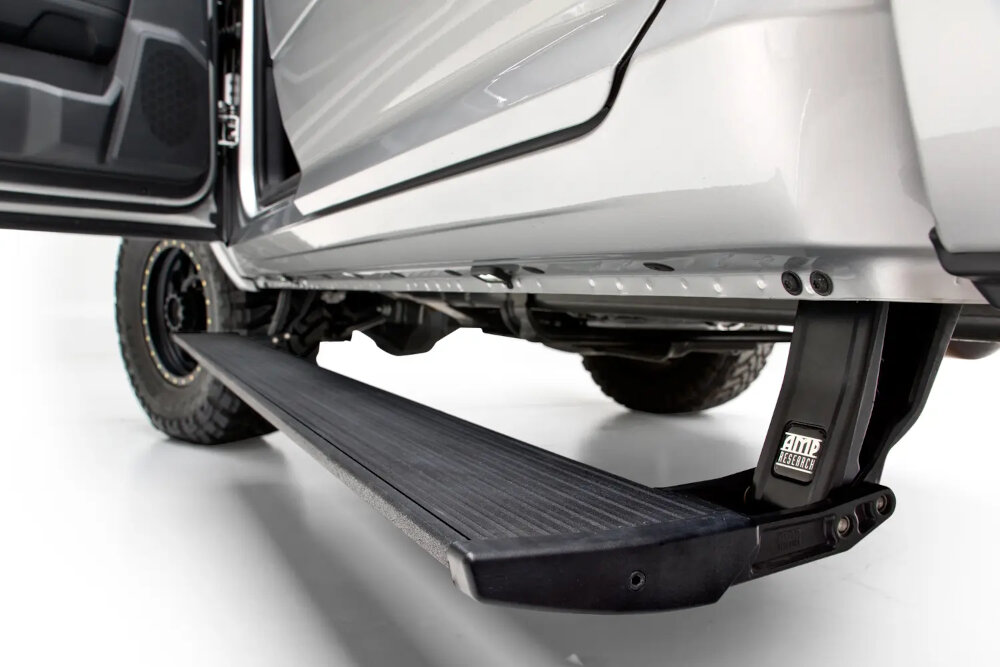
Prices change by application, seller, and date, so treat examples as a way to understand scale rather than a quote. In ARIES application listings reviewed in July 2026, a fixed steel board pair was shown around $370 without brackets, a compatible bracket kit around $230, and complete fixed kits around $600 to $650 for sampled applications. A complete powered-board application was shown around $1,999, while its board-only and bracket-only components were listed separately.
Those examples demonstrate why product type and package contents matter. They do not establish the cost for another SUV. An OEM accessory, aluminum board, molded board, used part, custom step, or different powered system can fall outside those examples. Confirm live pricing and fitment before budgeting.
| System | Planning level | What drives the parts price | Labor tendency |
|---|---|---|---|
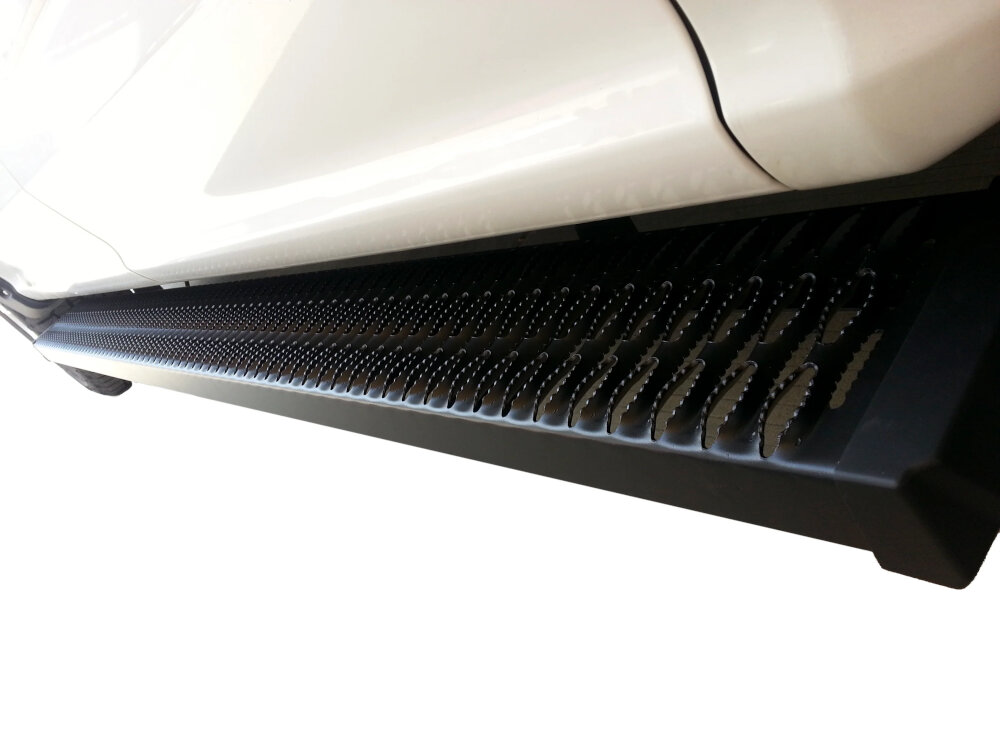
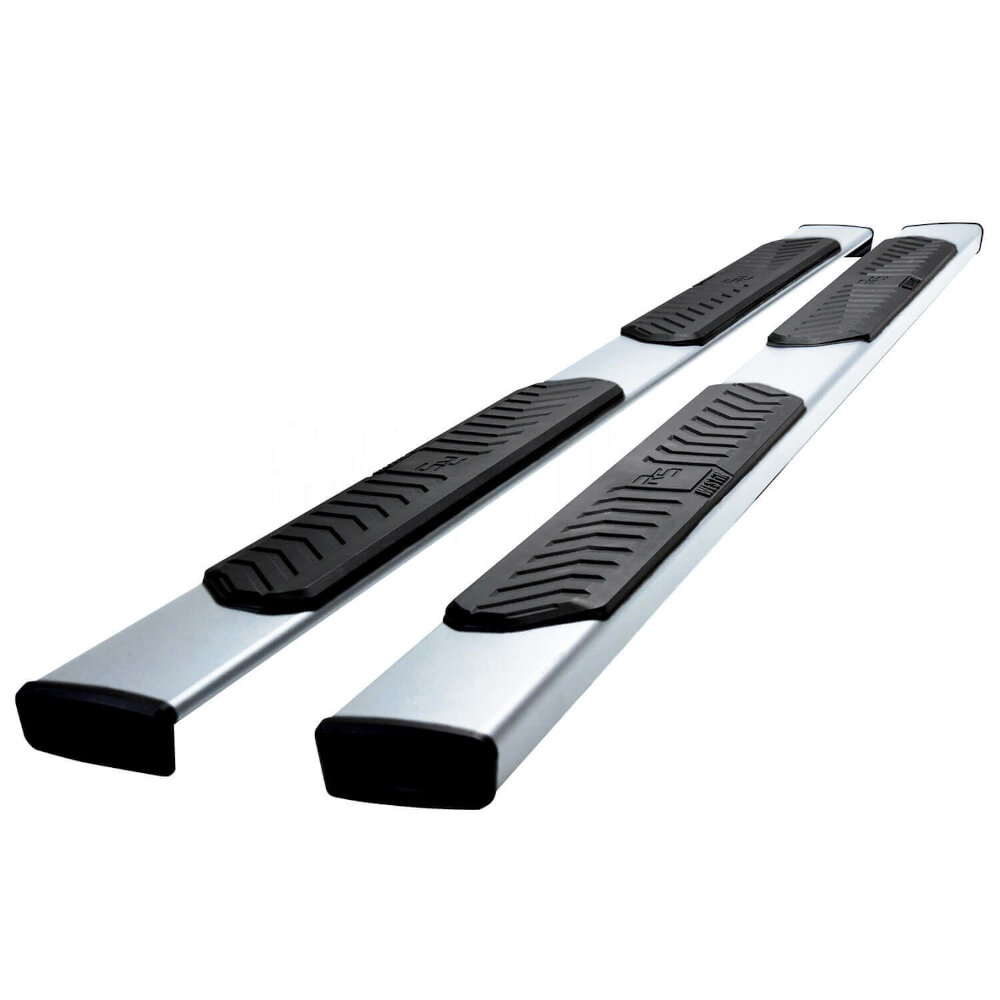
| Fixed direct-fit board | Lowest complexity | Material, length, tread, whether brackets are included | Shorter when factory holes are sound and accessible |
| Premium OEM-style fixed board | Moderate | Integrated trim, branded accessory channel, vehicle-specific parts | Trim removal and dealer procedure may add time |
| Powered retractable board | High | Board, arms, motors, controller, harness, brackets | Mechanical mounting plus electrical routing and function test |
| Universal/custom board | Unpredictable | Board plus fabricated vehicle attachment | Layout, fabrication, drilling, welding, corrosion protection |
| Replacement of existing board | Varies | New kit, reused parts, availability of matching components | Removal, rusted hardware, wiring cleanup, hole repair |
How Many Labor Hours Should You Expect?
A clean fixed vehicle-specific kit can sometimes be installed in roughly one to three hours by a shop familiar with the vehicle. A current regional installer describes many fixed installations as one to two hours and powered installations as two to three hours. Those are examples, not guarantees. Read the actual instructions and ask the installer to estimate the exact kit.
Powered systems can take longer when the harness must pass through the firewall, interior trim must be removed, door signals are accessed, or calibration and troubleshooting are needed. Custom brackets, drilling near vehicle systems, welding, body-mount work, corrosion, broken fasteners, and prior modifications can add substantial time.
| Condition | Effect on labor | Why |
|---|---|---|
| Exact no-drill fixed kit | Lower | Uses known factory holes and supplied brackets |
| Boards and brackets packaged separately | Neutral if matched | Installer must verify both part numbers before work |
| Factory cladding or old steps | Higher | Removal, trim modification, and disposal may be required |
| Powered board | Higher | Adds wiring, control components, moving-part alignment, testing |
| Rusted or damaged mounts | Higher and uncertain | Threads may need repair and metal condition must be assessed |
| Universal/custom bracket | Highest uncertainty | Vehicle attachment must be designed and fabricated |
What Makes An SUV Installation Different?
SUVs may have full-length rocker cladding, unibody construction, hybrid batteries, underbody shields, exhaust heat shields, fuel or emissions equipment, and tightly packaged wiring. Three-row models need useful tread coverage at both door openings. A board intended for a pickup with a similar name or wheelbase is not automatically compatible.
Electric and hybrid SUVs require particular attention to battery enclosures, high-voltage cable routes, and approved lifting points. Do not drill or fabricate near those systems without vehicle-specific information and qualified judgment. If the accessory manufacturer does not list the exact powertrain, obtain written fitment confirmation.
Compare Labor Quotes On The Same Scope
A lower hourly rate does not guarantee a lower final bill. One shop may quote a flat installed price after reviewing the instructions, while another quotes estimated hours plus supplies and diagnostic time. Ask whether the estimate is fixed, not-to-exceed, or open-ended. Confirm whether tax, shop supplies, old-board removal, trim clips, corrosion treatment, and a follow-up recheck are included.
Send every shop the same vehicle details and the same installation PDF. Ask each one to separate standard installation from conditional work. For example, the base quote can cover a clean bolt-on fit, while rusted fasteners, damaged factory threads, missing holes, or prior modifications require approval before extra work. This protects both the owner and installer from guessing.
Experience with the specific system can offset a higher hourly rate. A technician who already understands the bracket sequence and wiring route may finish accurately in fewer hours. For powered boards, ask whether electrical diagnosis and programming are performed in-house and whether the shop will support a later motor, controller, or sensor claim.
Low-Price Red Flags
Pause when a quote cannot name the bracket kit, promises universal fit without inspecting the SUV, excludes an installation manual, or assumes drilling before checking underbody systems. A board-only marketplace price is not comparable to a complete vehicle-specific kit. Likewise, an installer should not quote powered-step labor without knowing the wiring method and control strategy.
Used parts can be economical, but missing hardware, bent brackets, seized pivots, obsolete motors, and cut wiring can erase the savings. Confirm that replacement parts remain available and that the board was designed for the same application. Never reuse questionable high-load fasteners merely because they came with a used set.
DIY Installation: Savings And Boundaries
DIY can eliminate labor charges on a fixed bolt-on kit, but only when the instructions are complete, the mounting points are sound, and the installer has safe support equipment and a torque wrench. Balance the board safely, start every fastener by hand, leave brackets loose for alignment, and use the specified tightening sequence.
Professional installation is the better choice for structural drilling, welding, body-mount work, powered-step wiring, damaged threads, severe corrosion, or uncertain fitment. Saving labor is not worthwhile if a bracket blocks a lift point, pinches a line, damages a battery shield, or leaves a moving board unreliable.
Questions To Put On The Quote
| Quote question | Why it matters |
|---|---|
| What exact board and bracket part numbers are included? | Prevents a board-only price from appearing complete |
| Is the kit listed for this VIN, model year, trim, and powertrain? | Confirms exclusions before work begins |
| How many labor hours and what hourly rate are estimated? | Makes the labor calculation transparent |
| Does the estimate include removal, drilling, wiring, calibration, and supplies? | Reduces surprise additions |
| What happens if rusted or damaged mounting points are found? | Defines the stop-and-approve process |
| Who covers parts, finish, electrical components, and installation labor? | Separates product and workmanship warranties |
| Is a torque or function recheck included? | Supports safe follow-up after initial use |
Example Budget Worksheet
Suppose a complete fixed kit is quoted at $650 and the shop expects two hours. If the local rate is $140 per hour, estimated labor is $280. Add applicable tax, shipping, supplies, and removal work to calculate the actual project. Do the same calculation for each quote; do not compare a board-only online price with a complete installed dealer quote.
For a powered kit, start with the complete vehicle-specific parts package rather than only the tread assemblies. Add the shop’s estimated mechanical and electrical hours, then ask how diagnostic time is handled if the vehicle signals or calibration do not behave as expected.
Repeat the worksheet with a contingency line rather than hiding uncertainty in the base number. A clean newer SUV with documented factory holes may need little contingency. An older vehicle with winter exposure, unknown previous steps, or visible corrosion deserves a larger inspection allowance. The shop should still obtain approval before exceeding the agreed scope.
How To Avoid Paying Twice
- Confirm exact fitment and every required part number before ordering.
- Send the installation PDF to the shop before accepting the labor estimate.
- Do not buy universal brackets unless a qualified fabricator has approved the plan.
- Inspect used boards and brackets for corrosion, cracks, bent parts, and missing hardware.
- Keep receipts, instructions, photos, and warranty terms.
- Choose a system with replacement tread pads, motors, linkage, end caps, and hardware available.
Related GarageSanctum Guides
- Compare factory, OEM accessory, and aftermarket routes.
- Choose a running-board installer and compare quotes.
- Understand bracket and mounting systems.
- Choose board length, width, and door coverage.
- Compare running-board materials and finishes.
- Review current fixed running-board options.
Source Notes
- ARIES vehicle application pricing supplied the dated fixed and powered component examples used to explain package contents and price scale.
- American Fusion Wheels installation guidance provides a current regional example of fixed and powered installation times and installed-price ranges.
- ARIES universal ActionTrac bracket documentation states that custom-fabricated vehicle brackets are required when an application-specific mount is unavailable.